The Essential Guide to Trying to Conceive
Are you planning to start or grow your family in 2026? The process of trying to conceive can feel both thrilling and daunting, especially as new research and technology continue to shape fertility advice.
This essential guide is designed to give you the most current, evidence-based strategies and expert tips. Whether you are just beginning your journey or have been trying to conceive for some time, you will find practical steps to increase your chances of success.
With more couples seeking support and up-to-date information, staying informed is key. Here, you will discover the basics of fertility, how to track ovulation, optimize your health, address challenges, and explore the latest innovations in fertility care.
Follow this guide to feel prepared, supported, and confident as you take each step toward building your family in 2026.
Understanding Fertility: The Foundations of Conception
Understanding the basics of fertility is the first step for anyone trying to conceive. Fertility is influenced by biological rhythms, health, and external factors. By learning how your body works and what affects conception, you can take proactive steps on your journey.
The Science of Fertility and the Menstrual Cycle
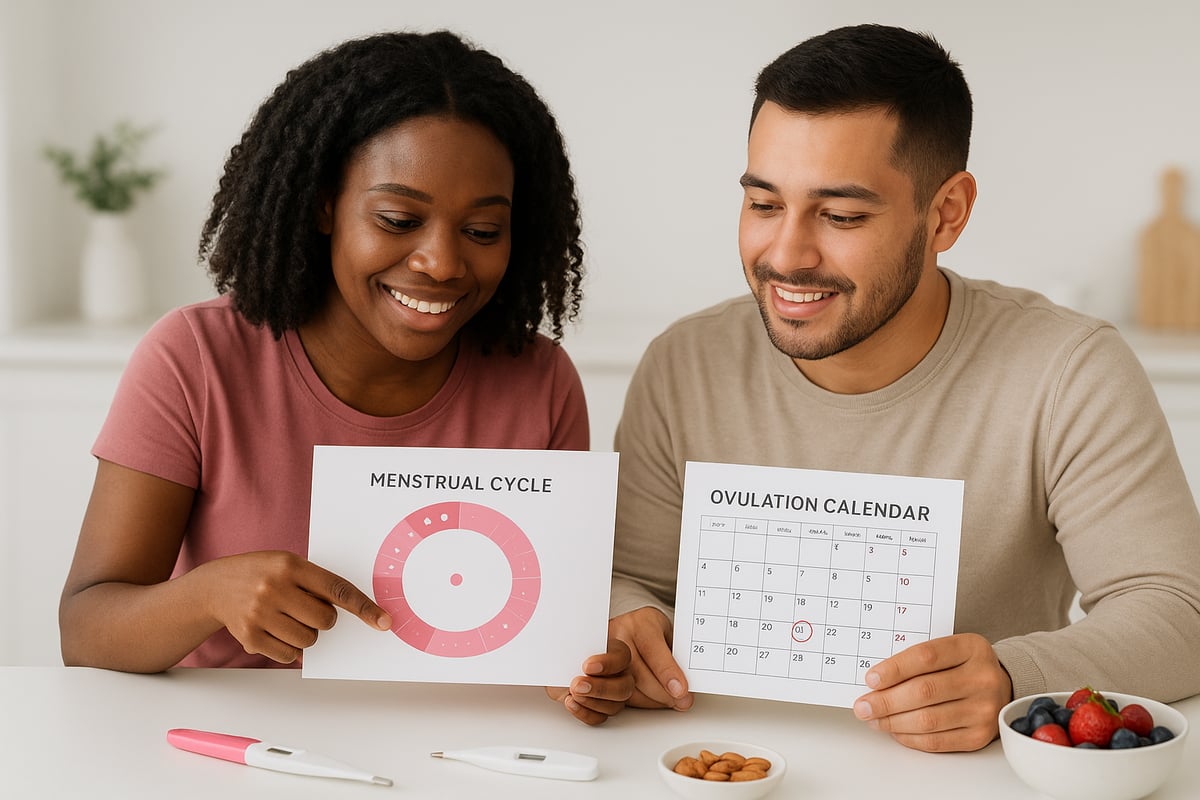
The menstrual cycle is made up of several phases, each playing a key role in fertility. Most cycles last 28 to 32 days, beginning with menstruation, followed by the follicular phase, ovulation, and the luteal phase. Ovulation, when an egg is released, usually occurs 12 to 14 days before the next period.
Your fertile window—the best time for trying to conceive—is the three to five days leading up to and including ovulation. Sperm can live up to three days inside the reproductive tract, while an egg survives for 12 to 24 hours. This means timing intercourse during this window is crucial.
Many people think trying to conceive just means stopping contraception, but clinically, it involves understanding your cycle and optimizing timing. Both male and female fertility are affected by factors such as age, hormonal balance, and general health. For example, each month the average couple has a 15 to 20 percent chance of conceiving. About 50 percent will conceive within six months, and up to 85 percent within a year.
Consider a couple with regular cycles: they can pinpoint ovulation more easily and maximize their chances. Those with irregular cycles may find tracking more challenging and might benefit from additional support. Globally, about 1 in 6 people are affected by infertility, highlighting the importance of fertility awareness. For more details, see these global infertility prevalence statistics.
Key Factors That Influence Fertility in 2026
Age is one of the most significant factors when trying to conceive. Female fertility starts to decline after age 35, while male fertility can also be affected by age, though often more gradually. Underlying health conditions like PCOS, endometriosis, and thyroid disorders can impact both ovulation and overall reproductive health.
Environmental and lifestyle factors, including diet, stress, and exposure to toxins, play a growing role in fertility. Genetics and family history may also influence your chances. Preconception health screenings are increasingly recommended to identify potential issues early.
Looking ahead to 2026, new research is improving our understanding of fertility. Innovations in fertility awareness methods and changes in environmental exposures are expected to shape how couples approach trying to conceive. Staying informed about these trends can help you make empowered decisions on your path to parenthood.
Tracking Ovulation and Identifying Your Fertile Window
Understanding your fertile window is one of the most impactful steps when trying to conceive. Pinpointing ovulation allows you to optimize timing, increasing the likelihood of conception. Modern methods and technology make tracking easier and more accurate than ever.

Methods for Predicting Ovulation
When trying to conceive, accurately identifying ovulation is crucial. There are several methods, each offering unique benefits.
Calendar Method: Track menstrual cycles for at least 8 to 12 months to identify patterns. Ovulation typically occurs about 12 to 14 days before your next period. This method works best for those with regular cycles.
Basal Body Temperature (BBT): Measure your temperature every morning before getting out of bed. A slight rise (about 0.5 to 1 degree Fahrenheit) indicates ovulation has occurred. Factors like illness, poor sleep, or alcohol can affect readings, so consistency is key when trying to conceive.
Cervical Mucus Monitoring: Observe daily changes in cervical mucus. As ovulation approaches, mucus becomes clear, stretchy, and similar to egg whites, signaling peak fertility. Dry or sticky mucus usually means lower fertility.
Ovulation Predictor Kits (OPKs): These at-home tests detect the surge in luteinizing hormone (LH) that precedes ovulation. They are over 99% accurate when used correctly, making them a valuable tool for anyone trying to conceive.
Digital Fertility Monitors: New devices and apps for 2026 combine BBT, hormone levels, and other data to predict ovulation with greater precision.
Combining Methods: The symptothermal method leverages multiple signs (BBT, mucus, and calendar) for enhanced accuracy.
Example:
Suppose you are trying to conceive and want to chart your cycle. Begin by recording your period start dates, measuring your BBT each morning, and noting cervical mucus changes. Use an OPK starting a few days before your expected ovulation. Combining these data points provides a clearer picture of your fertile window.
Practical Tips for Maximizing Fertility Awareness
Keeping accurate records is essential when trying to conceive. Use a dedicated journal, calendar, or a digital app to log daily observations. Consistency in timing, especially for BBT readings, improves reliability.
If your cycles are irregular or you have health conditions, tracking may take longer to reveal patterns. After stopping birth control, it can take a few cycles for ovulation to normalize, so patience is important when trying to conceive.
Common pitfalls include inconsistent measurements, misinterpreting mucus, or relying on a single method. Combining approaches increases confidence in predicting ovulation.
Many couples find that technology streamlines this process. Fertility apps and wearable devices can simplify record-keeping and interpretation. For those seeking a holistic approach, exploring personal empowerment during conception resources can support your mindset throughout the trying to conceive journey.
Real-world example:
A couple with irregular cycles used both a digital fertility monitor and traditional charting. By combining data, they identified their fertile window more accurately and conceived within a few months.
Effective tracking empowers you to make informed decisions. It transforms the trying to conceive process from guesswork into a proactive, confident approach.
Optimizing Health and Lifestyle for Conception Success
Preparing your body and mind is a critical part of trying to conceive. Small changes in nutrition, daily habits, and self-care can have a significant impact on reproductive health. Adopting a holistic approach sets the stage for conception success in 2026.

Nutrition, Supplements, and Preconception Care
Nutrition is the foundation when you are trying to conceive. Consuming a balanced diet rich in essential nutrients can help regulate hormones, improve egg and sperm quality, and support a healthy pregnancy.
Key nutrients include:
Folic acid: Critical for neural tube development, start supplementation at least one month before conception.
Iron: Prevents anemia and supports ovulation.
Vitamin D: Involved in hormone regulation and immune health.
Omega-3 fatty acids: Found in fish, flaxseed, and walnuts, these support reproductive function.
Taking a daily preconception or prenatal vitamin ensures you get these nutrients, especially if your diet is lacking. Prioritize whole grains, leafy greens, lean proteins, and healthy fats, and limit processed foods, caffeine, and sugar.
Maintaining a healthy weight is also vital when trying to conceive. Both underweight and overweight individuals may experience hormonal imbalances that can disrupt ovulation or sperm production. Aim for a BMI in the recommended range, as studies show this increases conception rates for both partners.
If you have conditions like PCOS, thyroid disorders, or diabetes, address them with your healthcare provider before trying to conceive. Routine checkups and up-to-date vaccinations protect both you and your future baby.
Preconception care is not just physical. Many couples are exploring the role of spirituality and conception energy as part of a holistic routine, finding that practices like mindfulness and energy work can complement medical advice and reduce stress.
For example, one couple made simple dietary changes by adding more leafy greens and fish, resulting in more regular cycles and improved fertility outcomes. Keeping a food journal and consulting a registered dietitian can help tailor your plan.
Lifestyle Factors That Impact Fertility
Beyond nutrition, several lifestyle factors can affect your chances when you are trying to conceive.
Avoid smoking, excess alcohol, and recreational drugs. These substances can lower fertility by affecting hormone levels and egg or sperm quality. Even moderate alcohol intake has been linked to delayed conception.
Manage stress carefully. Chronic stress can disrupt reproductive hormones and ovulation. Techniques like meditation, exercise, or counseling can help you stay centered and positive while trying to conceive.
Exercise is beneficial, but balance is key. Regular moderate activity improves circulation and hormone function. However, too much intense exercise can interfere with ovulation or sperm production.
Limit exposure to environmental toxins and endocrine disruptors. Avoid plastics with BPA, pesticides, and certain personal care products. These chemicals may interfere with reproductive health, so choose safer alternatives whenever possible.
Prioritize sleep hygiene. Aim for 7 to 9 hours of restful sleep per night, as poor sleep can disrupt hormone balance and lower fertility rates.
Healthy sexual practices matter. Have intercourse every 2-3 days throughout your cycle, especially during the fertile window. Open communication with your partner about intimacy and timing can reduce stress and improve your experience while trying to conceive.
One couple struggling with stress and irregular sleep found that establishing a relaxing bedtime routine and reducing work hours led to regular cycles and pregnancy within a few months.
Optimizing your health and lifestyle creates a strong foundation for conception. These steps can make a meaningful difference as you embark on your trying to conceive journey.
Navigating Common Challenges and Addressing Infertility
For many individuals and couples, the journey of trying to conceive brings both anticipation and uncertainty. Understanding the landscape of infertility and knowing when to seek help can transform challenges into proactive steps toward family building.
Understanding Infertility: Definitions and Causes
Infertility is clinically defined as the inability to conceive after 12 months of regular, unprotected intercourse, or six months if the female partner is over 35. This definition is vital for those trying to conceive, as it sets a clear guideline for when to consider a deeper evaluation.
About 10 to 15 percent of couples face infertility at some point. Causes can stem from either partner or remain unexplained. In women, common factors include ovulation disorders, polycystic ovary syndrome (PCOS), endometriosis, and structural concerns with the uterus or fallopian tubes. Age is a significant factor, as fertility declines after 35.
For men, infertility can result from low sperm count, poor motility, hormonal imbalances, or lifestyle influences such as smoking or excessive alcohol consumption. In roughly one third of cases, the challenge is attributed to the female partner, one third to the male, and the remaining third to shared or unexplained causes.

Miscarriage and recurrent pregnancy loss are also common hurdles when trying to conceive. If a couple experiences two or more miscarriages, it is recommended to seek a medical evaluation to uncover possible underlying issues.
Couples with regular menstrual cycles may have a higher likelihood of conceiving within a year, while those with irregular cycles or known health conditions may require earlier intervention. The journey of trying to conceive is unique, and understanding these nuances can empower couples to take timely action.
When and How to Seek Help
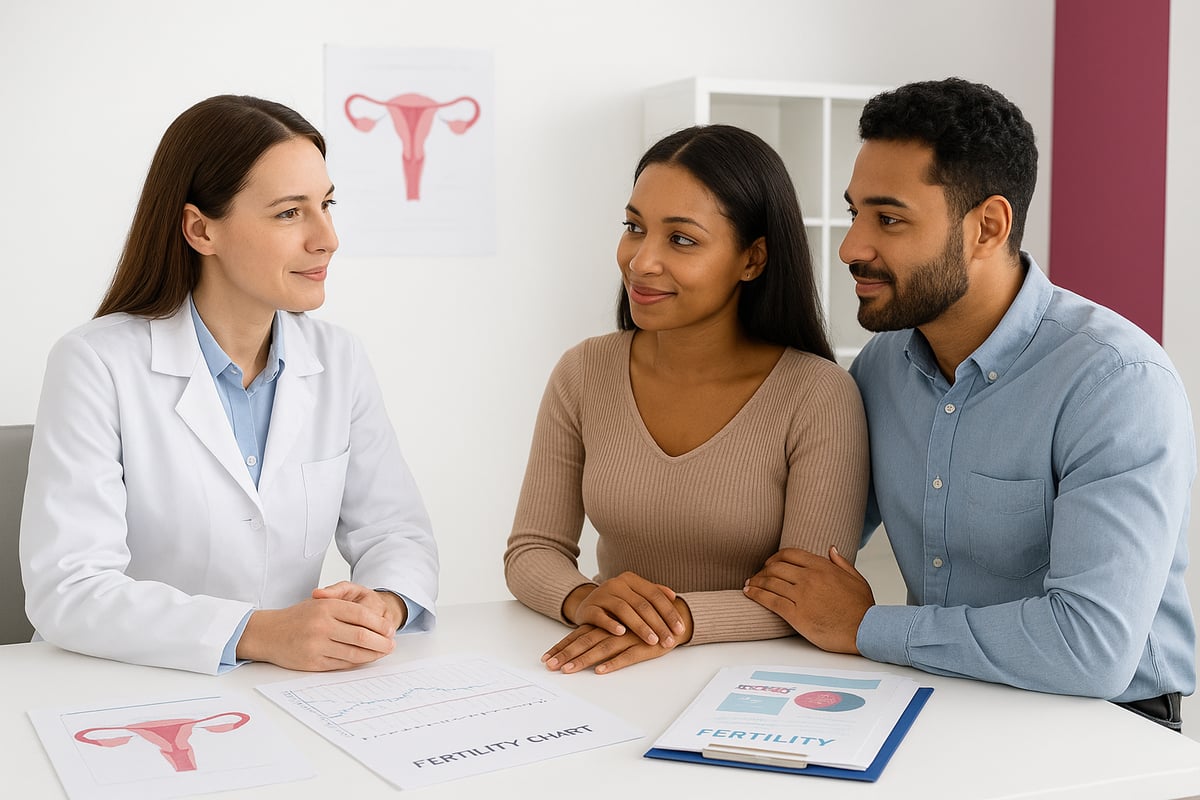
Knowing when to seek help is crucial for anyone trying to conceive. If you are under 35 and have not conceived after a year, or over 35 and have tried for six months, it is time to consult a fertility specialist.
Signs that warrant earlier consultation include irregular or absent menstrual cycles, known reproductive health conditions, a history of pelvic surgeries, or if the male partner has known risk factors such as undescended testes or prior infections. Early intervention can be especially important for women over 35, as fertility declines more rapidly with age.
The evaluation process involves a detailed medical history, physical examination, and targeted tests such as hormone assessments, semen analysis, and imaging studies. Treatment options range from lifestyle modifications and medication to assisted reproductive technologies like intrauterine insemination (IUI) or in vitro fertilization (IVF).
The emotional impact of infertility is significant. Feelings of frustration, anxiety, and isolation are common during the process of trying to conceive. Accessing support, whether through counseling, therapy, or free fertility support communities, can provide much-needed encouragement and understanding.
Timelines for seeking help may vary based on age and health status, but taking proactive steps and leaning on supportive resources can make a meaningful difference. Remember, you are not alone on this journey, and there are many avenues for both medical and emotional support.
Innovations and Trends in Fertility and Conception for 2026
The landscape for those trying to conceive is evolving rapidly as we approach 2026. New research, technology, and inclusive care options are transforming how individuals and couples navigate their fertility journey. Staying informed about the latest trends can make a significant difference in your experience and outcomes.
Advances in Fertility Testing and Technology
Fertility technology is making leaps that empower those trying to conceive with more knowledge and control. In 2026, at-home fertility testing kits are more accurate and accessible than ever. These kits allow users to track hormone levels, ovulation, and overall reproductive health from the comfort of home.
Digital health platforms and wearable devices now sync seamlessly with apps, providing real-time insights into fertility patterns. Many couples trying to conceive benefit from these innovations, as they can detect ovulation windows and identify potential issues earlier.
Telehealth consultations have become mainstream, offering remote access to fertility specialists and support teams. Artificial intelligence is also playing a growing role. AI-driven algorithms support embryo selection and personalized treatment planning, improving success rates for those trying to conceive. To learn more about these advancements, see this overview of AI in fertility treatments.
Genetic testing is now widely available, helping prospective parents assess inherited risks and make informed decisions. Carrier screening is often recommended before trying to conceive, giving families peace of mind and clarity about their options.
Emerging Treatments and Inclusive Family-Building Options
The range of treatment options for those trying to conceive has never been broader. Updates in IVF and IUI protocols are increasing success rates and reducing side effects. Less invasive interventions, such as enhanced ovulation induction, are now available for eligible individuals.
Egg and sperm freezing are increasingly popular, offering flexibility for those who wish to delay parenthood or preserve fertility before medical treatments. Donor eggs, sperm, and embryos provide additional pathways, with evolving legal and ethical guidelines to support diverse family structures.
Family-building is becoming more inclusive. LGBTQIA+ individuals, single parents, and couples with unique medical needs all have greater access to care. Insurance coverage for fertility treatments is expanding in many regions, helping to reduce barriers for those trying to conceive.
A recent success story highlights a couple who used a digital fertility monitor and personalized care plan to achieve pregnancy after years of trying to conceive. These innovations offer hope and new possibilities for anyone starting or continuing their fertility journey.
Emotional Wellbeing and Relationship Support While Trying to Conceive
Facing the emotional ups and downs of trying to conceive can be just as challenging as the physical journey itself. Many couples experience a rollercoaster of hope, anxiety, and frustration, making emotional wellbeing a crucial part of fertility care.
Managing Stress, Expectations, and Relationship Dynamics
It is common for those trying to conceive to feel a range of emotions, from excitement to disappointment. These feelings are normal, and acknowledging them is the first step toward maintaining emotional health.
Open communication between partners is essential. Set aside time to discuss your feelings, expectations, and concerns. Listening without judgment can strengthen your bond and help you feel more connected during trying times.
Consider these practical coping strategies:
Practice mindfulness or meditation to reduce stress.
Set realistic expectations for your trying to conceive timeline.
Take breaks from tracking and focus on activities you both enjoy.
Seek support from a mental health professional if emotions become overwhelming.
Gently correct myths and unsolicited advice, focusing on what works for you.
Professional counseling and support groups can offer tools for navigating setbacks and losses. For some, exploring emotional healing for fertility journey can provide deeper insight and relief from unresolved stressors. Remember, prioritizing your mental health can make the trying to conceive process more manageable and less isolating.
Building a Support System
A strong support system is invaluable while trying to conceive. Connecting with others who understand your journey can help ease feelings of isolation and provide practical advice.
Online and in-person peer communities offer a safe space to share experiences and encouragement. You may choose to involve close friends or family, but only if it feels comfortable. Recognize your needs and communicate boundaries clearly.
Professional counseling or therapy can be especially helpful for managing grief, anxiety, or relationship strain. There are many resources available, including books, podcasts, and apps focused on fertility and emotional health.
If you notice persistent sadness, anxiety, or relationship difficulties, do not hesitate to seek extra help. Joining a support group has helped many couples find resilience and renewed hope during their trying to conceive journey.
Frequently Asked Questions About Trying to Conceive in 2026
Are you searching for clear answers about trying to conceive in 2026? The landscape is evolving, and many couples have questions about the process, timelines, and best practices for success. Below, you’ll find expert-backed responses to the most common inquiries.
How long does it typically take to conceive?
On average, couples have a 15 to 20 percent chance of conceiving each month. About half will conceive within six months, and up to 85 percent within one year of trying to conceive. If you have not conceived after a year, consider seeking medical advice.
Does previous birth control use affect fertility timelines?
Most forms of birth control do not impact long-term fertility. After stopping, ovulation usually resumes quickly, though some hormonal methods may take a few months for cycles to normalize. If you are trying to conceive and your period has not returned after three months, consult your healthcare provider.
Can certain positions or timing improve chances of conception?
There is no scientific evidence supporting specific positions for conception. However, timing intercourse during your fertile window, especially the days leading up to and including ovulation, significantly boosts your chances when trying to conceive.
What are the early signs of pregnancy?
Common early signs include missed periods, breast tenderness, fatigue, mild cramping, and nausea. Keep in mind, these symptoms can also be related to hormonal changes during trying to conceive cycles.
How soon after stopping birth control can I get pregnant?
Fertility can return immediately for some, while others may need a few cycles for regular ovulation. Track your symptoms and cycles to better understand your body’s patterns while trying to conceive.
Should I change my diet or exercise routine while TTC?
A balanced diet rich in folic acid, vitamin D, and iron supports reproductive health. Moderate exercise is beneficial, but excessive or intense activity may disrupt cycles. Healthy habits are key to optimizing your chances when trying to conceive.
Is it necessary to see a doctor before trying to conceive?
Preconception checkups are recommended. Your provider can review medical history, update vaccinations, and suggest supplements, ensuring you are ready for the journey of trying to conceive.
What options are available for those with known fertility challenges?
Options include lifestyle changes, medications, and assisted reproductive technologies like IUI or IVF. Newer approaches and support services continue to emerge, as highlighted by recent declining fertility rates in the U.S. and the increased focus on fertility care.
How does age impact fertility for both partners?
Fertility declines with age, especially after 35 for women, and can also be affected in men as they age. Discussing your age-related risks with a specialist is wise when trying to conceive later in life.
What are the first steps if I suspect a fertility problem?
Track your cycles, note any irregularities, and schedule an evaluation if you have been trying to conceive for 12 months (or 6 months if over 35). Early intervention can make a significant difference.
Quick-Reference Table: Common TTC Questions

Each journey is unique, and staying informed empowers you to make the best decisions while trying to conceive. If you have more questions or concerns, reach out to a healthcare professional for personalized guidance.
As you take the next step on your journey to conception in 2026, remember that true fertility is more than just biology—it’s about healing, connection, and opening new possibilities for yourself and your future family. If you feel called to explore deeper layers of support, I invite you to discover how ancestral healing and spirit baby readings can nurture your path to motherhood.
Together, we can address inherited patterns and help you reclaim your feminine power so you can welcome abundance, purpose, and the family you dream of.
Ready to heal your inherited family lineage trauma with ancestral healing or book a spirit baby mediumship reading to support you on your Motherhood journey, I help spiritually curious women and mothers heal ancestral karmic trauma patterns so new pathways can open for purpose, fertility, and abundance.