The Essential Guide to Spirituality and Intuition
In today's fast-paced world, people are turning inward, searching for answers amid constant noise and uncertainty. The growing fascination with spirituality and intuition reflects a deep desire for meaning, purpose, and clarity.
This guide will help you understand the core concepts of spirituality and intuition in 2026. You will discover their relevance in modern life, practical ways to nurture them, and how they can transform your personal and professional journey.
Ready to unlock your inner wisdom and embrace a more conscious way of living? Start exploring the insights and steps ahead to begin your transformative journey.
Understanding Spirituality in the Modern Era
Spirituality and intuition are increasingly at the forefront of modern conversations around personal growth and well-being. But what exactly is spirituality, and how does it differ from religion? At its core, spirituality focuses on personal connection, meaning, and a sense of transcendence that often exists apart from organized religious structures. While religion may offer a specific set of beliefs and rituals, these practices invite a personalized journey toward inner wisdom and purpose.
Throughout history, spirituality has evolved significantly. Ancient civilizations developed rituals and practices to connect with the unseen, seeking guidance from nature and ancestral traditions. As the world became more interconnected, spiritual ideas spread and adapted, eventually merging with modern philosophies and scientific understanding. Today, the digital age has made it easier than ever to access teachings and communities centered on this inner work.
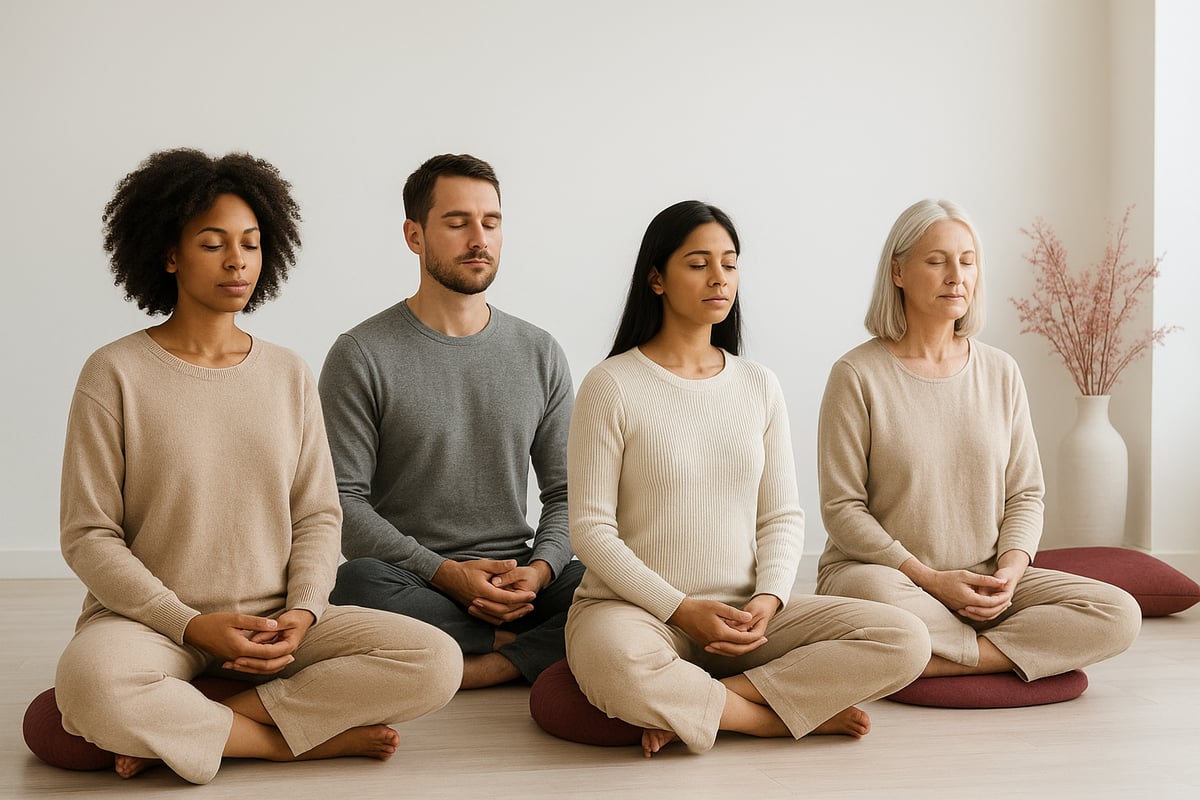
Modern spiritual practices have expanded to include meditation, mindfulness, energy healing, and conscious living. These approaches are accessible to people of all backgrounds and are often tailored to individual needs. In 2026, the relevance of spirituality and intuition is growing rapidly. Rising global stress levels, mental health challenges, and a widespread search for meaning are driving renewed interest in these practices.
Scientific research continues to validate the benefits of spirituality and intuition. Studies from leading institutions highlight how meditation and mindfulness can reduce anxiety, enhance emotional regulation, and improve overall well-being.
For instance, a Harvard study on meditation reducing anxiety found that regular meditation can decrease anxiety by 31 percent, offering measurable support for the power of spiritual practices.
Community also plays a vital role in nurturing spirituality and intuition. Online groups, mobile apps, and global movements provide spaces for shared growth and support, making spiritual exploration more inclusive and accessible. Still, challenges remain. Skepticism, misinformation, and concerns over cultural appropriation require careful navigation by those seeking authentic spiritual experiences.
Notable public figures and organizations are helping to promote genuine approaches to spirituality and intuition. Their efforts inspire many to embark on their own journeys, emphasizing the importance of discernment and community. As we continue to explore the depths of spirituality and intuition, embracing both tradition and innovation will be key to personal and collective transformation.
The Power and Practice of Intuition
Intuition is often described as an inner knowing or a gut feeling that guides decisions without the need for conscious reasoning. In the landscape of spirituality and intuition, this ability is recognized as an essential tool for navigating complex situations and finding clarity amid uncertainty.

Definition and Nature of Intuition
At its core, intuition is the subconscious processing of information, resulting in rapid insights or judgments. Unlike analytical thinking, which relies on logic and step-by-step reasoning, intuition draws from accumulated experiences and subtle cues. In the context of spirituality and intuition, this process is believed to bridge the conscious mind with deeper layers of awareness.
The Three Types of Intuition
Intuition manifests in several forms. Emotional intuition is the ability to sense the feelings and intentions of others. Cognitive intuition involves recognizing patterns or solutions quickly, often in professional or creative settings. Spiritual intuition, a key aspect of spirituality and intuition, is the sense of guidance that feels connected to something greater than oneself.
Emotional intuition: sensing the emotional climate of a situation
Cognitive intuition: spotting patterns, problem-solving
Spiritual intuition: receiving guidance from a higher source
How Intuition Works: Neuroscience Insights
Scientific research has begun to reveal how intuition operates within the brain. The default mode network, a system active during rest and self-reflection, plays a role in processing intuitive insights. Pattern recognition, built from years of experiences, enables rapid decision-making without deliberate analysis. Recent studies show that leaders who actively develop spirituality and intuition outperform peers by 23 percent, according to Stanford research.
Neuroscientists explain that intuition is not magical thinking, but rather a sophisticated result of subconscious information processing. This understanding helps demystify intuition and shows its practical value in everyday life.
Intuition vs. Logic: Striking the Balance
While intuition is a powerful guide, it is important to balance it with logical reasoning. Analytical thinking is essential when data and evidence are available. However, there are moments when facts are incomplete, and intuition becomes a reliable compass. The most effective approach is integrating both logic and spirituality and intuition for well-rounded decision-making.
A helpful practice is to pause, check in with your body’s signals, and ask whether your response feels aligned or pressured by fear or ego. This discernment sharpens intuitive accuracy and builds confidence.
Benefits, Myths, Real-World Success, and Practical Tools
Developing spirituality and intuition offers many benefits—faster decision-making, enhanced creativity, greater self-confidence, and improved resilience. These qualities are not reserved for a select few. In fact, entrepreneurs, artists, and leaders often credit their breakthroughs to intuitive insights. For example, Oprah Winfrey attributes much of her success to trusting her inner guidance.
Despite the benefits, myths persist. Some believe intuition is mystical or unreliable. In reality, intuition is a natural human faculty, refined through awareness and practice. It is not about guessing, but about tuning in to subtle cues that the conscious mind might overlook.
Practical tools to strengthen spirituality and intuition include journaling, mindfulness, and paying attention to dreams. Techniques such as body scans help distinguish genuine intuitive nudges from emotional reactions. For those interested in exploring the energetic aspects of intuition, Spirituality and Energy Insights provides a deeper look at how intuitive awareness and spiritual energy interact.
By embracing both spirituality and intuition, individuals can unlock new levels of clarity and empowerment in their personal and professional lives.
Steps to Deepen Your Spirituality and Intuitive Awareness
Embarking on a journey to deepen your spirituality and intuition requires intentional action and a willingness to embrace change. These seven steps provide a structured approach, empowering you to cultivate personal growth and inner wisdom. Each step builds on the last, guiding you toward a more meaningful and connected life.
Step 1: Cultivate Self-Awareness
The foundation for spirituality and intuition is self-awareness. Begin each day with simple practices like mindful breathing or journaling. Even a short pause can help you observe your thoughts and feelings without judgment.
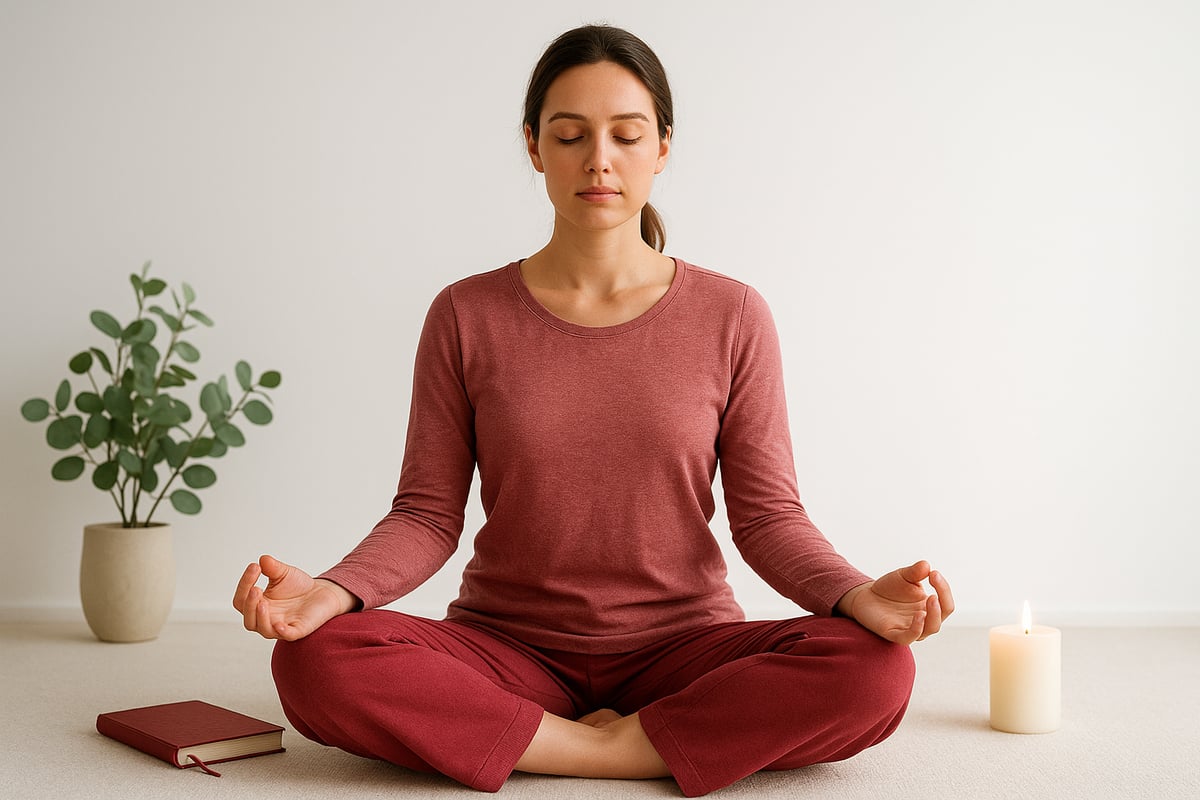
A practical method is the "Three-Minute Breathing Space" technique. Sit comfortably, close your eyes, and notice your breath for one minute. For the next minute, scan your body from head to toe, observing sensations. In the final minute, focus again on your breath, grounding yourself in the present.
By prioritizing self-awareness, you create space for spirituality and intuition to flourish. Start small, and notice how clarity and calm grow with consistency.
Step 2: Establish Spiritual Rituals
Intentional rituals anchor spirituality and intuition in daily life. Morning routines, gratitude journaling, and mindful movement set the tone for the day. Energy clearing practices, such as lighting a candle or visualizing light, can refresh your space and mindset.
Research shows that ritualized practices boost emotional regulation by 27 percent. Choose rituals that resonate with you, whether it is a cup of tea in silence or a gentle yoga flow. Consistency is more important than complexity.
Through these rituals, spirituality and intuition become woven into your routine, offering stability and inspiration.
Step 3: Listen to Your Inner Voice
Distinguishing intuition from fear or ego is essential in the journey of spirituality and intuition. Practice tuning in by asking your body simple yes or no questions. Notice subtle sensations, like a sense of expansion for yes or contraction for no.
The "Intuitive Yes/No" body scan involves taking a deep breath, focusing on a question, and observing how your body reacts. Over time, you will learn to trust these signals.
Listening to your inner voice strengthens your connection to both spirituality and intuition, helping you navigate choices with confidence.
Step 4: Embrace Silence and Solitude
Solitude and quiet moments are vital for nurturing spirituality and intuition. Regular digital detoxes, walks in nature, or time spent in peaceful surroundings reduce distractions and foster inner clarity.
A 2025 survey found that 82 percent of respondents experienced greater clarity after practicing regular solitude. Use this time to reflect, meditate, or simply be present.
By embracing silence, you allow your intuition to surface and deepen your spiritual awareness, leading to increased balance and insight.
Step 5: Seek Guidance and Community
Connecting with mentors, spiritual teachers, and supportive groups is a powerful way to expand spirituality and intuition. Online spiritual circles and retreats offer opportunities to share experiences, learn, and grow together.
For those seeking like-minded companions,Free Spiritual Communities provide accessible spaces to connect and receive guidance. Engaging with others enriches your journey and helps you stay motivated.
Community support ensures that your path in spirituality and intuition remains authentic and encouraging.
Step 6: Integrate Spirituality and Intuition into Daily Life
Applying spirituality and intuition in everyday decisions transforms routine actions into opportunities for growth. Begin by setting intentions each morning, and check in with your intuition before making important choices.
Professionals often use intuitive check-ins when planning projects, aligning their actions with core values. Mindful decision-making fosters greater satisfaction and purpose.
As you integrate these practices, spirituality and intuition become guiding forces, shaping a more harmonious and intentional life.
Step 7: Track Your Growth and Celebrate Progress
Reflecting on your journey is key to sustaining spirituality and intuition. Use journals, self-assessment tools, or digital trackers to note insights and milestones.
Celebrating progress, no matter how small, reinforces positive habits. Many apps now offer features for tracking spiritual and intuitive development, helping you stay accountable.
By acknowledging your growth, you build momentum and deepen your commitment to spirituality and intuition.
The Impact of Spirituality and Intuition on Daily Life
In today's fast-paced world, spirituality and intuition are transforming how people navigate daily life. These practices are not just abstract concepts, but practical tools that shape relationships, careers, health, and personal fulfillment.
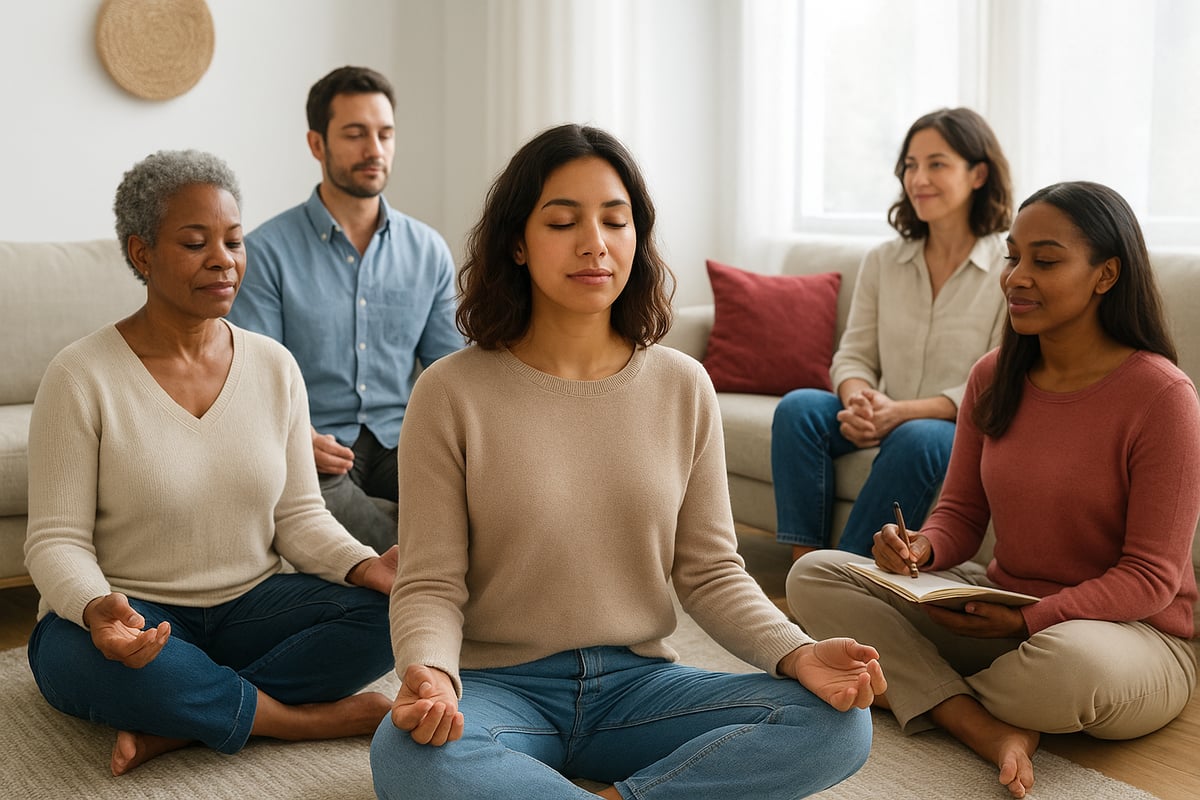
Deepening Personal Relationships
Spirituality and intuition foster deeper empathy and understanding in relationships. When individuals tune into their inner guidance, they communicate more authentically and resolve conflicts with compassion. Couples who practice mindfulness together often report greater emotional intimacy and trust. Friends and family who share spiritual rituals or intuitive insights support each other's growth, creating stronger bonds.
Improved empathy
Authentic communication
Conflict resolution
Fueling Career Success and Creativity
In the professional world, spirituality and intuition are powerful assets. Intuitive decision-making helps leaders and teams respond quickly to change and uncertainty. Many entrepreneurs credit their biggest breakthroughs to insights that emerged during meditation or quiet reflection. Creativity flourishes when people trust their gut feelings and embrace new perspectives.
A 2024 report found that organizations encouraging mindful practices see higher job satisfaction and innovation rates. Professionals who integrate spirituality and intuition into their work find greater meaning and fulfillment.
Enhancing Health and Emotional Well-Being
Spirituality and intuition play a significant role in health and resilience. Regular spiritual practices, such as meditation or mindful breathing, help reduce stress and promote emotional balance. According to the World Health Organization's 2024 findings, people who engage in these practices experience 21% lower stress rates and improved life satisfaction.
Research from Harvard shows that mindfulness meditation's impact on brain function leads to changes in areas responsible for learning, memory, and emotional regulation. This demonstrates the tangible benefits of spirituality and intuition on mental and physical well-being.
Parenting, Family, and Social Impact
Spirituality and intuition guide conscious parenting and ethical living. Parents who nurture these qualities in themselves often model mindfulness, empathy, and open communication for their children. Families who engage in shared rituals or reflective practices build supportive, resilient connections.
Beyond the home, spirituality and intuition inspire acts of service and social responsibility. Community projects, activism, and charitable work often arise from a deep sense of purpose and intuitive guidance. These values ripple outward, fostering positive change in society.
Overcoming Adversity and Real-Life Inspiration
Life inevitably brings challenges, but spirituality and intuition provide tools for navigating uncertainty and loss. Many individuals turn to meditation, prayer, or intuitive journaling during grief or major transitions. These practices offer comfort, clarity, and renewed strength.
Personal stories reveal the power of spirituality and intuition to empower growth. For example, readers can explore the Personal Empowerment Blog Series for real-world examples of transformation and resilience. While skepticism and societal pressures remain, those who consistently practice find lasting benefits.
In summary, spirituality and intuition enrich every aspect of daily life. Their impact is visible in relationships, work, well-being, and the ability to overcome adversity. As more people embrace these practices, both individuals and communities experience greater harmony and purpose.
Trends and Future Directions in Spirituality and Intuition (2026)
The landscape of spirituality and intuition is rapidly evolving in 2026, shaped by digital innovation and a global appetite for personal transformation. Digital platforms now offer a range of immersive experiences, from AI-powered spiritual guidance to interactive virtual retreats. Mobile apps deliver daily practices, meditations, and community forums, making spirituality and intuition accessible to anyone with a smartphone. This digital shift allows people to connect with spiritual mentors and like-minded seekers worldwide, breaking down traditional barriers and fostering a sense of belonging.
Scientific research continues to bridge the gap between spirituality and intuition and empirical evidence. Studies on consciousness, neuroplasticity, and intuitive decision-making are growing, with universities and research centers dedicating resources to understanding how these practices impact mental health and well-being. Gen Z and Millennials are at the forefront of this movement, demanding spiritual experiences that are authentic, inclusive, and backed by science. Their influence is driving the adoption of new tools and approaches, ensuring that the evolution of spirituality and intuition remains relevant and grounded.
Integration with holistic wellness is another major trend, as workplaces and health providers recognize the value of spiritual practices for stress management and emotional resilience. Corporate wellness programs are now incorporating meditation, mindfulness, and intuitive development as essential components. At the same time, there is a greater embrace of multicultural spiritual traditions, with an emphasis on ethical practice and respect for diverse origins.
This focus on diversity and inclusion enriches the conversation around spirituality and intuition, making it more reflective of a global society.
New modalities are emerging and gaining popularity, including sound healing, breathwork, and ancestral healing practices. For those interested in exploring these trends, Generational Healing Sessions offer an integrative approach, blending spirituality and intuition with ancestral wisdom. The spiritual wellness industry is projected to reach $110 billion in 2026, reflecting unprecedented growth and mainstream acceptance.
However, challenges remain, such as the risk of commercialization, misinformation, and the ongoing need to protect authenticity in spiritual and intuitive practices. As the field continues to expand, practitioners and seekers alike are called to approach these new directions with discernment and integrity.
As you reflect on the transformative power of spirituality and intuition in your own life, you may feel called to take the next step toward true healing and growth. Whether you’re seeking to heal ancestral patterns, discover deeper purpose, or open to new possibilities in motherhood and abundance, you don’t have to walk this path alone.
With supportive guidance and proven energy healing techniques, you can begin to reclaim your feminine power and create real change for yourself and future generations.
If you’re ready to learn more and get started, I invite you to explore I help spiritually curious women and mothers heal ancestral karmic trauma patterns so new pathways can open for purpose, fertility, and abundance. Learn more and get started.