Guide to Spiritual Strength: Unlocking Inner Power
In today’s rapidly shifting world, countless individuals are seeking greater resilience and fulfillment. The pursuit of spiritual strength has never been more relevant, especially as we approach 2026. People from all backgrounds are discovering that inner resilience offers a powerful foundation for navigating life’s uncertainties.
This guide will help you unlock inner power, cultivate lasting well-being, and build a deeper sense of purpose. Inside, you’ll find practical steps, mindset shifts, and community support to nurture spiritual strength for the modern era. Get ready to explore clear definitions, proven benefits, actionable practices, and reliable resources to fuel your journey ahead.
Understanding Spiritual Strength
Inner resilience has become an essential quality for navigating the unique pressures of the modern era. The concept continues to evolve, offering practical guidance for individuals from all backgrounds. Understanding spiritual strength helps us build resilience, maintain integrity, and find deeper meaning in daily life.
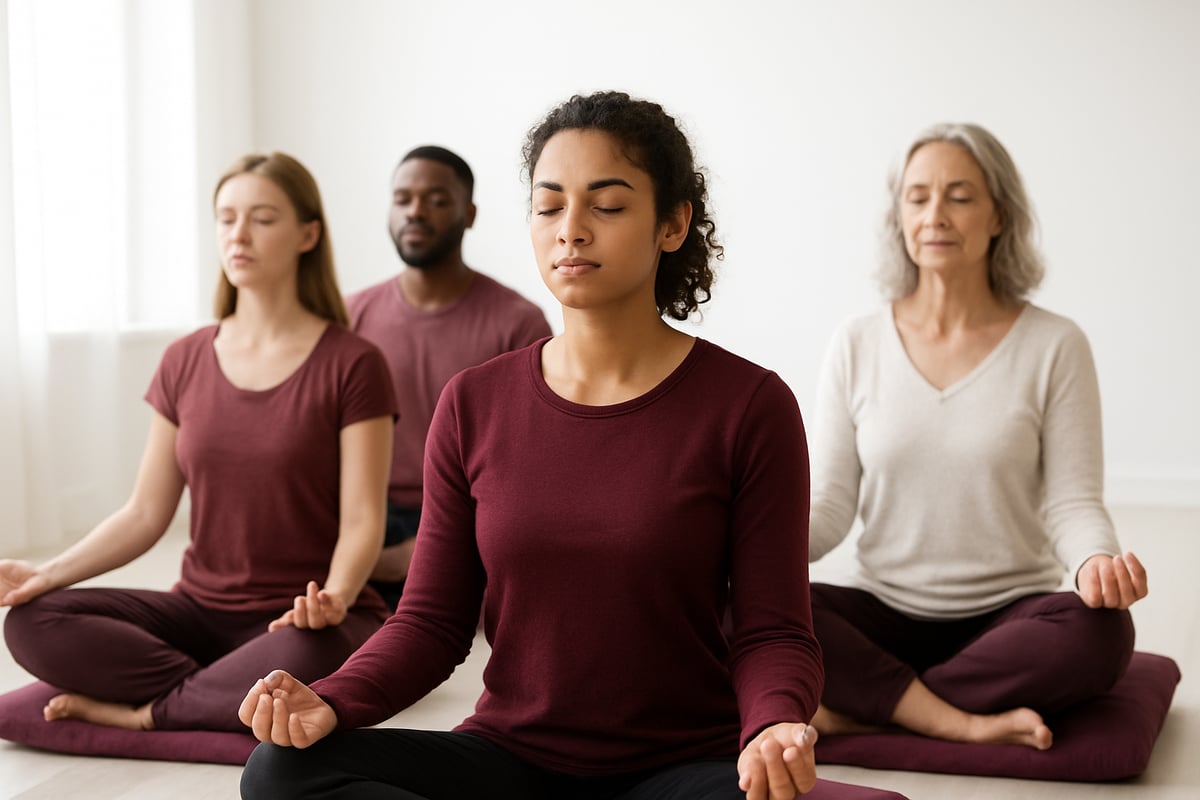
Defining Spiritual Strength
Spiritual strength is best described as a form of inner resilience that is not dependent on external achievements or material possessions. It is the capacity to remain grounded, hopeful, and true to one's values even in the face of adversity.
Unlike religious observance, spiritual strength is not limited to any one faith or tradition. It includes qualities such as faith, integrity, self-awareness, and connection to something greater than oneself. In today's world, spiritual strength can be found in both secular and interfaith contexts.
For example, someone who endures hardship with hope and upholds their values under pressure demonstrates spiritual strength. This quality is increasingly recognized as vital for personal and collective well-being.
Why Spiritual Strength Matters Today
The need for spiritual strength has grown as mental health challenges and existential questions become more prevalent. The 2020s have brought rapid change, uncertainty, and global disruption, prompting many to seek stability within.
This inner grounding acts as an anchor during turbulent times, helping individuals adapt and persevere. The rise in mindfulness and meditation practices reflects this trend, with reports showing a 40 percent increase in meditation app downloads since 2020. This surge highlights how people are turning to spiritual strength for support.
Communities that nurtured spiritual strength during the pandemic often reported greater resilience and hope, showing its practical impact on well-being and recovery.
Key Elements of Spiritual Strength
Several core elements form the foundation of inner resilience:
Faith in a higher purpose or personal wisdom
Moral integrity and adherence to core values
Emotional resilience and adaptability
Regular spiritual practices, such as prayer or meditation
Supportive relationships and active community involvement
Building spiritual resilience is easier with the support of like-minded individuals. Finding free spiritual communities and support can help you stay motivated and engaged on your journey. These connections foster a sense of belonging and shared purpose, making spiritual growth more sustainable.
The Evolution of Spiritual Strength for the Modern Era
Spiritual resilience in 2026 is shifting away from rigid dogma toward personal empowerment and authenticity. Technology and global connectivity have expanded access to spiritual resources, allowing individuals to explore diverse traditions and holistic approaches.
People are embracing spiritual strength through self-care, trauma healing, and a willingness to learn from ancient wisdom as well as modern science. This evolution reflects a broader acceptance of interfaith and non-religious perspectives.
For example, integrating mindfulness practices with evidence-based psychology enables individuals to benefit from both spiritual and scientific insights, strengthening their overall spiritual strength.
The Science and Benefits of Spiritual Strength
Exploring the science behind spiritual strength reveals its profound impact on mind, body, and social well-being. Research shows that cultivating inner resilience and spiritual well-being is not just a matter of belief, but a proven path to a more connected and purposeful life.
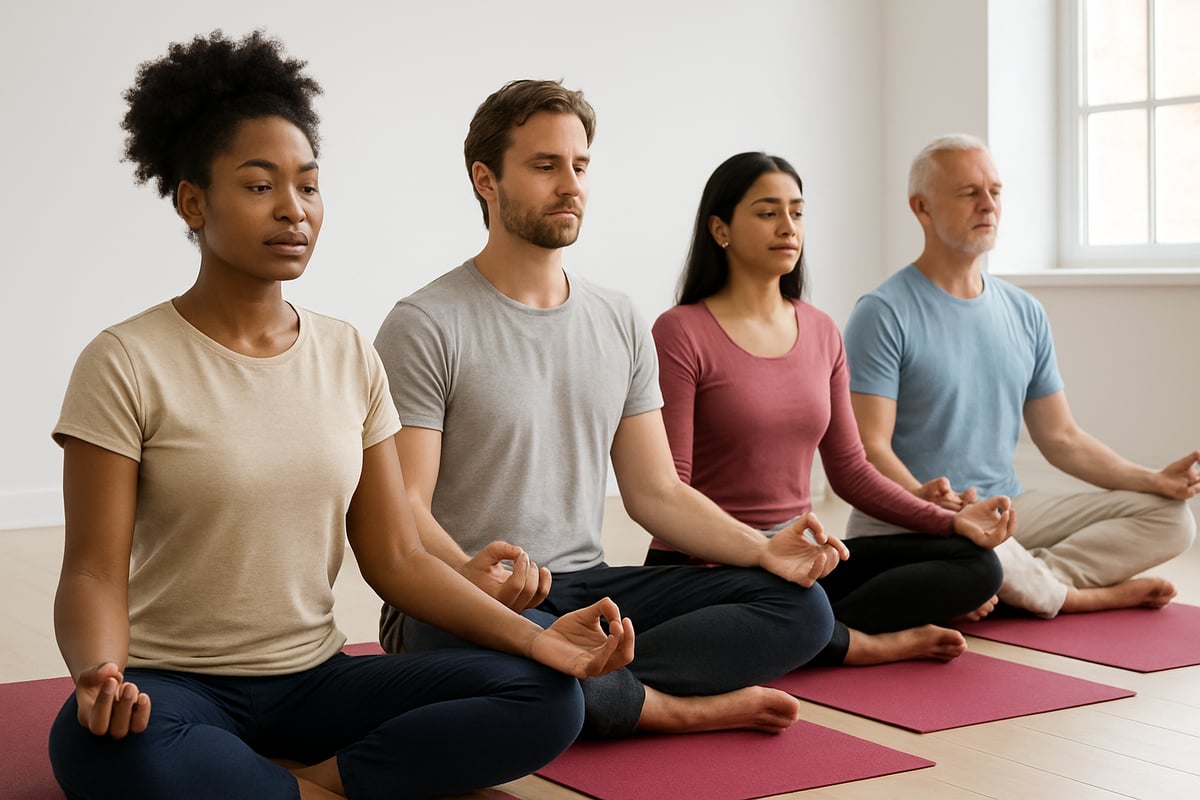
Psychological and Physiological Benefits
Spiritual strength influences mental and physical health in measurable ways. People who engage in spiritual practices often experience reduced levels of anxiety, depression, and chronic stress. Studies suggest that regular meditation and prayer are linked to improved immune function and even increased longevity.
A Harvard study found that mindfulness practices can change brain structure, enhancing emotional regulation and cognitive flexibility, supporting both mental health and long-term resilience (Harvard Health).
Integrating spirituality into mental health care is also associated with better outcomes, as highlighted in this review of mental health benefits of meditation.

Consistent inner grounding supports both mental clarity and physical resilience.
Spiritual Strength and Resilience
Spiritual strength acts as a powerful buffer during adversity. Individuals with strong spiritual foundations often recover more quickly from trauma and cope better with major life changes. This inner resource fosters resilience, helping people face setbacks with hope and adaptability.
Frontline workers who practiced spiritual rituals during challenging times reported less burnout and greater emotional stability. Spiritual beliefs encourage healthy coping mechanisms and provide a sense of meaning, which is vital for overcoming obstacles.
In summary, cultivating spiritual strength equips you to navigate uncertainty and bounce back from hardship with greater ease.
Social and Interpersonal Advantages
Spiritual strength extends beyond the individual, enriching social bonds and community connections. People rooted in spiritual values tend to show higher empathy, compassion, and willingness to help others. Shared rituals and group practices foster a sense of belonging and unity.
Statistics reveal that those with active spiritual lives volunteer more and engage in prosocial behaviors. Interfaith initiatives demonstrate how spiritual strength can bridge divides, promoting peace and understanding among diverse groups.
Building spiritual strength not only benefits you, but also creates a ripple effect, uplifting those around you.
Spiritual Strength and Life Purpose
A clear sense of purpose often emerges from spiritual strength. Individuals who nurture their spiritual side report greater life satisfaction, clarity of goals, and fulfillment. Research links spirituality with higher levels of meaning and overall well-being.
Spiritual strength provides guidance in career, relationships, and personal growth, helping you align choices with your deepest values. Many people describe finding direction and motivation after experiencing spiritual awakening or insight.
Ultimately, spiritual strength empowers you to live with intention and pursue a life that feels truly meaningful.
Step-by-Step Guide: Unlocking Your Inner Power
Unlocking spiritual strength is a journey that unfolds step by step. The following guide offers practical, actionable strategies to help you discover and embody your inner power as you move through 2026.
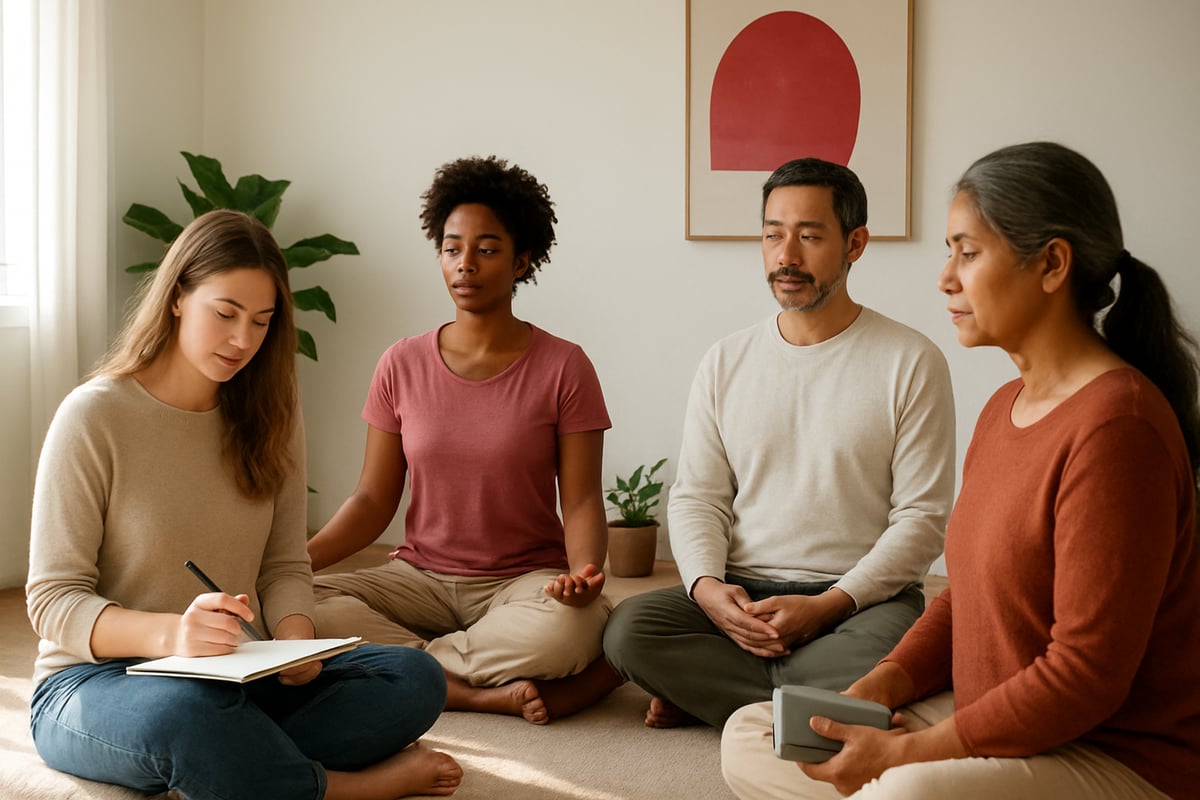
Step 1: Self-Reflection and Awareness
Begin your journey toward inner resilience with honest self-reflection. Ask yourself, what does spiritual strength mean to you? Set aside time each day to explore your beliefs, fears, and aspirations.
Journaling is a powerful tool. Use prompts such as:
What core values guide my decisions?
When do I feel most connected to my inner self?
What fears hold me back from growth?
Mindfulness exercises like deep breathing or scanning your body for tension can help you tune into your inner voice. Over time, you’ll start to notice patterns of self-sabotage or limiting beliefs that may block your spiritual strength.
Try a daily 10-minute reflection practice. Find a quiet space, close your eyes, and focus on your breath. Let thoughts arise naturally, then write down any insights that come up.
According to psychologists, self-awareness is the foundation for change. Track your progress by noting shifts in mood, mindset, or behavior over weeks and months. This ongoing awareness is the first step to unlocking deeper spiritual strength.
Step 2: Establishing Core Spiritual Practices
To build inner stability and spiritual resilience, identify practices that resonate with your spirit. Meditation, prayer, breathwork, and gratitude journaling are all effective. The key is consistency and making these activities a regular ritual.
Consider creating a morning meditation routine. Even five minutes of mindful breathing can set a positive tone for the day. In the evening, maintain a gratitude journal. List three things you’re thankful for, no matter how small.
You can use technology to enhance your practice. Guided meditation apps, online spiritual communities, and virtual retreats offer support and structure. For example, using tools like a Rosary or mala beads can help you focus your intention, a tradition seen in both Catholic and Eastern spiritual paths.
Here’s a sample daily routine:

Studies show that regular spiritual practice can reduce stress by up to 30 percent. If you encounter resistance, start small. Choose one practice and gradually build from there. Over time, these habits will strengthen your spiritual strength and foster lasting growth.
Step 3: Cultivating Faith and Trust
Inner strength flourishes when you nurture faith and trust, whether in yourself, the universe, or a higher power. Begin by practicing daily affirmations like, “I trust the path unfolding for me.” Visualization techniques, such as imagining a positive outcome, reinforce your belief in your own resilience.
Letting go of the need to control every outcome is essential. Instead, embrace uncertainty and view it as an opportunity for growth. Surrender does not mean giving up; it means accepting what you cannot change while acting with wisdom.
A personal story might involve finding hope during a difficult transition, such as a job loss or major life change. In these moments, spiritual strength becomes a guiding light. Building self-trust is a key element of this process. For more on this topic, explore the power of self-trust, which is foundational for cultivating spiritual strength and personal empowerment.
Insights from spiritual leaders and modern psychology both highlight the importance of surrender and acceptance. These qualities help you move forward with confidence, even when the path ahead is unclear.
Step 4: Embracing Sacrifice, Discipline, and Integrity
Developing spiritual strength requires discipline and the willingness to embrace sacrifice. This might mean fasting, practicing a digital detox, or being more mindful of your consumption habits. Such acts help you gain control over impulses and foster deeper awareness.
Moral integrity is another pillar of spiritual strength. Make choices that align with your values, even when it’s difficult. Sometimes, true strength is shown by letting go of old patterns or forgiving someone who has hurt you.
For example, choosing forgiveness over resentment in a strained relationship can be transformative. Set clear boundaries to protect your energy and maintain healthy spiritual development.
Data shows that self-discipline is linked to increased happiness and personal fulfillment. By practicing discipline and integrity, you reinforce your spiritual strength and set a powerful example for those around you.
Step 5: Building Community and Support Networks
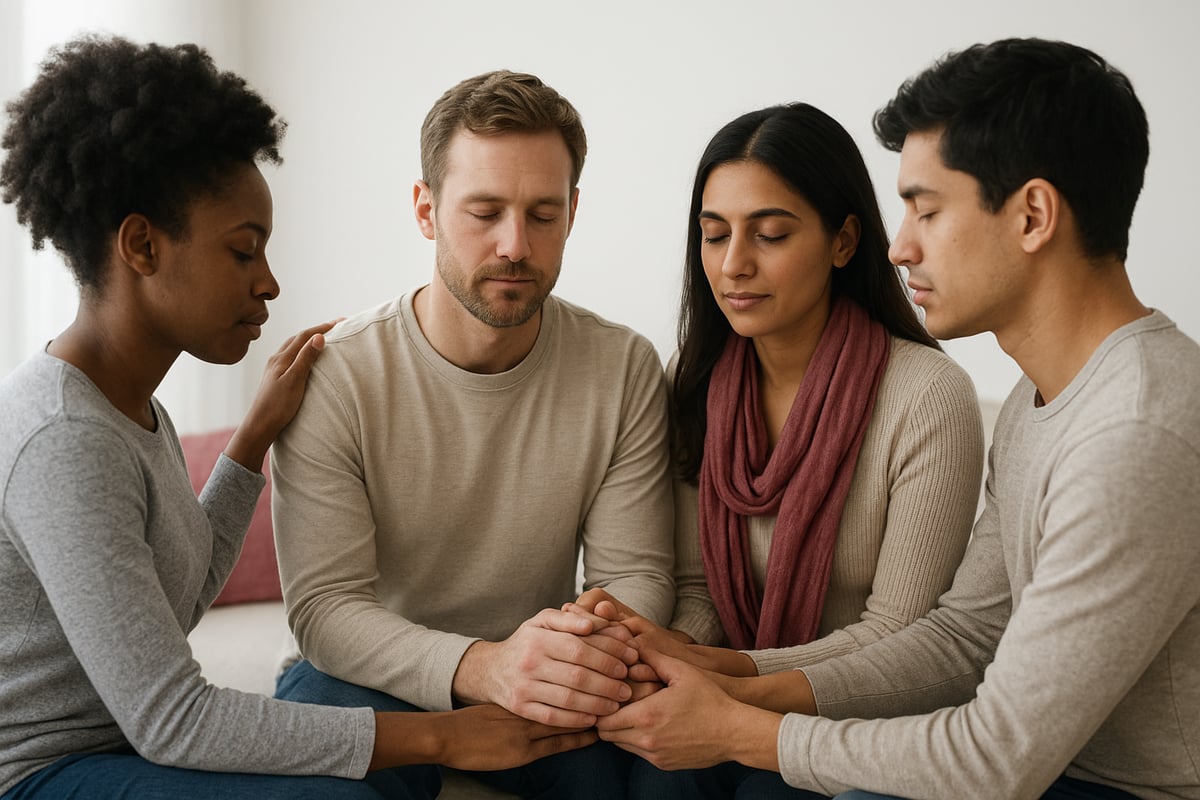
Spiritual strength is amplified through connection with others. Seek out spiritual companions and mentors who inspire and support your growth. Whether you join a local circle, an online forum, or an interfaith gathering, shared rituals and accountability are vital.
Community healing circles, for instance, have a transformative impact. They provide a safe space for sharing, reflection, and collective healing. Look for groups that align with your values and offer opportunities for regular engagement.
Attend weekly or monthly gatherings.
Participate in group meditations or study sessions.
Seek guidance from experienced spiritual teachers or elders.
Belonging to a spiritual community can increase well-being by up to 20 percent. When you surround yourself with supportive people, your spiritual strength grows. Remember, you are not alone on this journey. Community sustains motivation and offers wisdom during challenging times.
Step 6: Integrating Spiritual Strength into Daily Life
Finally, this inner strength must be woven into the fabric of everyday living. Apply spiritual principles to your work, relationships, and personal challenges. Practice mindful decision-making and strive for conscious living, even in small ways.
When setbacks occur, view them as opportunities for spiritual growth. Turn routine activities, such as cooking or commuting, into sacred rituals by adding intention and presence.
Personal transformation has a ripple effect. As you embody spiritual strength in your daily actions, you inspire others to pursue their own growth. Integration is where inner work becomes outward impact.
Overcoming Obstacles on the Path to Spiritual Strength
Facing obstacles is a natural part of building inner resilience. While the journey offers deep rewards, it also requires navigating doubts, emotional wounds, and the realities of modern life. By understanding these challenges and adopting proven strategies, you can move forward with greater resilience and clarity.
Recognizing Common Challenges
As you pursue spiritual strength, you may encounter doubt, skepticism, or the temptation to ignore deeper issues. The constant presence of technology and endless information can leave you distracted and overwhelmed. Societal misconceptions about spirituality can also create internal resistance.
Emotional wounds and trauma often surface, acting as barriers to growth. For instance, many people report periods of spiritual dryness where meaning feels elusive. Recognizing these hurdles is the first step in transforming them into opportunities for growth. Integrating spiritual care within mental health practices can further support you in addressing these common obstacles.
Healing Generational and Ancestral Trauma
One profound barrier to inner resilience is inherited emotional pain. Generational patterns, often passed down unconsciously, can limit your sense of empowerment and purpose. Science shows that trauma can impact families across generations, affecting both mind and body.
Healing begins with awareness and compassionate self-inquiry. Techniques like family constellations, energy work, and forgiveness rituals can be transformative. For a deeper dive into these modalities, learn more about ancestral healing for emotional trauma. Breaking cycles within families requires patience and self-kindness, but each step brings you closer to authentic spiritual strength.
Navigating Spiritual Loneliness and Isolation
The journey toward spiritual strength can sometimes feel isolating. You may struggle to find others who understand your values or experiences, especially if your path differs from mainstream beliefs. This sense of loneliness is common and can lead to discouragement.
Seeking out like-minded individuals, whether online or in person, is essential for support. Mentorship and group activities, such as service projects or discussion circles, foster connection and belonging. Social support is a strong predictor of spiritual resilience, helping you maintain your commitment to spiritual strength even in solitary times.
Balancing Spiritual Growth with Everyday Responsibilities
Modern life is busy, and integrating spiritual strength practices can seem daunting alongside work, family, and daily tasks. The key lies in weaving micro-practices into your routine, such as mindful breathing during commutes or short moments of gratitude.
Setting realistic expectations helps prevent frustration. For example, parents can model spiritual strength by sharing simple rituals with children, demonstrating that growth is possible even in small moments. Consistency, not perfection, ensures lasting transformation and keeps your spiritual journey grounded in reality.
Avoiding Pitfalls: Spiritual Bypassing and Ego Traps
It is important to recognize when spiritual strength is used to avoid real-world problems rather than address them. Spiritual bypassing, or masking pain with spiritual language, can delay genuine healing. Similarly, feelings of superiority or escapism signal ego traps.
Staying grounded through humility and regular self-reflection protects your growth. Acknowledge challenges honestly and remember that true spiritual strength is built by facing, not fleeing, the complexities of life.
Resources and Tools for Continued Spiritual Growth
Exploring the right resources can make all the difference on your journey to spiritual strength. Whether you are just starting out or looking to deepen your practice, a variety of tools and communities can support ongoing growth. Below is a practical guide to books, traditions, networks, and professional support tailored to the modern seeker.
Books, Courses, and Digital Tools
To build spiritual strength, immerse yourself in trusted resources. Classic books like "The Power of Now" and "Man’s Search for Meaning" are excellent starting points. Modern titles and personal growth courses are widely available on platforms like Coursera and Udemy.
Digital apps have revolutionized spiritual practice. Meditation apps such as Headspace, Insight Timer, and Calm offer guided sessions and community forums. According to meditation app usage statistics, there has been a significant rise in app usage since 2020, reflecting the growing interest in spiritual development. Journaling tools and prompts can also help you reflect and track your progress.
Practices from Diverse Traditions
Spiritual resilience can be cultivated through a blend of practices from various traditions. In Christianity, prayer and the Rosary foster inner peace and discipline. Buddhist mindfulness meditation and loving-kindness help nurture compassion and self-awareness.
Indigenous traditions emphasize nature-based rituals and honoring ancestors. Secular approaches, such as gratitude journaling and visualization, are equally powerful for those who prefer a non-religious path. Exploring these diverse practices encourages openness and enriches your spiritual journey, helping you find what resonates most.
Community and Support Networks
Building spiritual strength is often easier with the support of others. Seek out local or online spiritual communities where you can share experiences, learn, and grow together. Interfaith and secular groups provide safe spaces for discussion and accountability.
Mentorship, peer support, and group study can keep you motivated and engaged. Many individuals find that group participation leads to higher retention of spiritual practices and greater overall well-being. Testimonials from community members often highlight the transformative power of shared connection and collective growth.
Professional Guidance and Healing Modalities
There are times when seeking professional support is essential for deepening inner guidance. Certified spiritual counselors, therapists, and healers can provide tailored guidance. Modalities such as energy healing, intuitive readings, and generational trauma work are increasingly accessible.
For those interested in overcoming inherited patterns, generational healing sessions overview offers insight into effective modalities for breaking cycles and fostering growth. Always choose ethical, qualified practitioners, and look for recommendations or success stories from others who have benefited from professional guidance.
As you reflect on the steps to unlock spiritual strength in 2026, remember that true transformation often begins with healing the patterns we inherit. If you’re feeling called to deepen your journey—whether it’s releasing ancestral karmic trauma or seeking intuitive guidance as you navigate motherhood—I’m here to support you. Together, we can clear old blocks and open new pathways for purpose, fertility, and abundance. If you’re ready to explore ancestral healing or want to connect through a spirit baby mediumship reading, I invite you to take the next step with me.