Spiritual and Healing Guide: Unlocking Inner Balance 2026
In today’s fast-paced world, the search for inner calm is more urgent than ever. As stress and uncertainty continue to climb, many are turning to spiritual and healing approaches for lasting well-being.
This comprehensive guide delves into the evolving landscape of spiritual and healing practices in 2026. You will explore how spirituality and healing connect, discover proven strategies for restoring balance, and gain insight from the latest scientific research.
Ready to unlock your inner equilibrium? Begin your journey toward personal transformation and holistic wellness here.
The Evolving Landscape of Spirituality and Healing
The world of spiritual and healing practices is rapidly changing. As society faces new challenges, individuals are turning to these approaches for deeper self-understanding and resilience. The modern landscape reflects an ongoing fusion of ancient wisdom and cutting-edge science, reshaping how people find balance and meaning in their lives.
Defining Spirituality and Healing in 2026
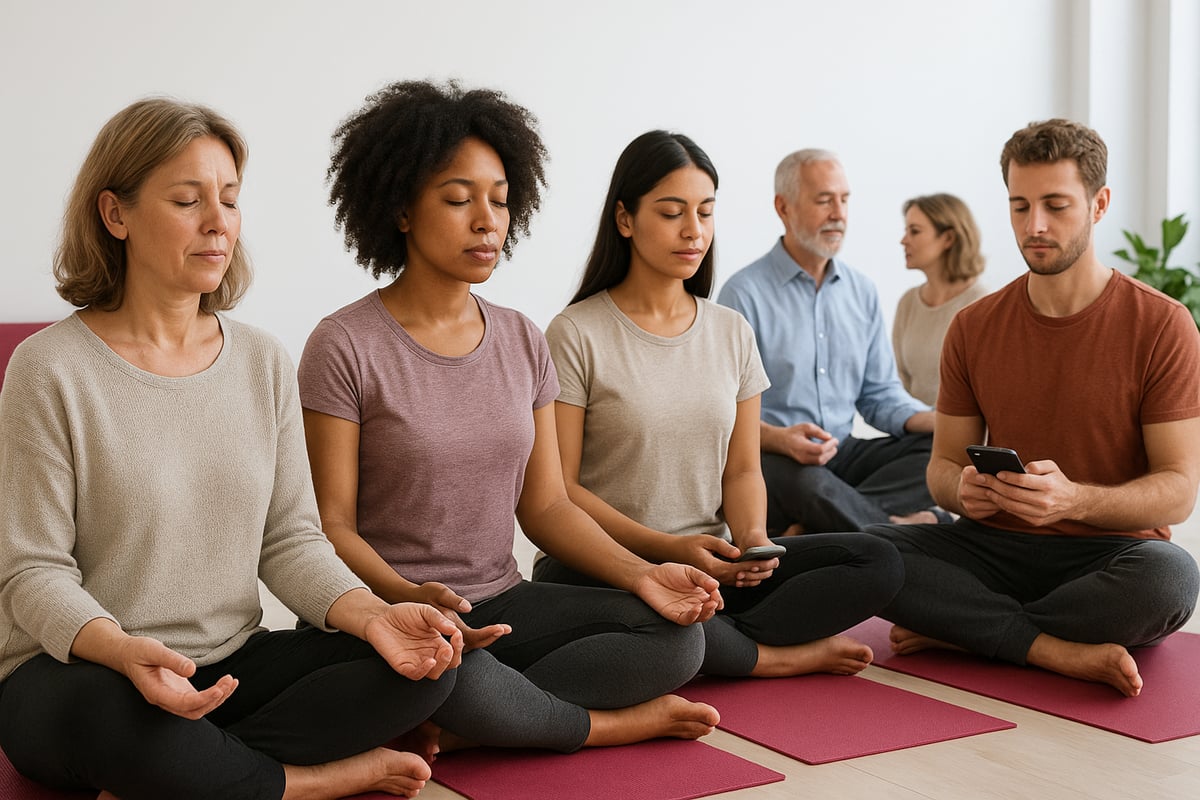
In 2026, the definitions of spiritual and healing practices have broadened beyond traditional boundaries. Spirituality is now understood as a journey of self-awareness, connection, and seeking purpose, often independent of organized religion. Healing is recognized as a holistic process, addressing the mind, body, and spirit together, rather than simply managing symptoms.
Global events and the rise of digital culture have significantly influenced spiritual and healing trends. More people are seeking empowerment from within, moving away from the idea that only external authorities hold answers. Technology plays a big role, with meditation apps, virtual healing circles, and online spiritual communities offering accessible support.
Integrative approaches are on the rise, blending scientific understanding with spiritual and healing wisdom. For example, meditation apps now use biofeedback to enhance results. Virtual communities provide safe spaces for people to share experiences and grow together.
Statistics highlight the importance of these shifts. According to Pew Charitable Trusts and Harvard, 71% of Americans believe in some form of higher power. For Black and Latino communities, 80% and 61% respectively consider these beliefs central to their lives.
The link between spirituality and mental health is increasingly recognized, with new research showing how spiritual and healing practices can improve emotional well-being. For more insights, see Spirituality's impact on mental health.
Ultimately, spiritual and healing approaches are becoming inseparable, offering a strong foundation for lasting inner balance.
The Science Behind Spiritual Healing
Recent years have seen a surge in research exploring the connection between spiritual and healing practices and health outcomes. Scientists now study how practices like mindfulness, meditation, and prayer can trigger biological pathways that reduce stress, support epigenetic changes, and boost overall well-being.
Mindfulness, for instance, has been shown to lower stress hormones and promote relaxation. These effects extend to the genetic level, with evidence suggesting that spiritual and healing activities can influence gene expression related to stress and immunity.
Measuring spirituality remains a challenge, as experiences are deeply personal and subjective. However, researchers use surveys and qualitative tools to better understand the impact of spiritual and healing routines.
Community and emotional support also play a crucial role. Studies, such as the Black Women’s Health Study, reveal that emotional support can counteract negative genetic effects, highlighting the intertwined nature of spiritual and healing journeys.
The growing body of evidence confirms that spiritual and healing practices induce measurable physiological and psychological benefits. As science continues to validate these traditions, more people are embracing holistic approaches for a balanced, fulfilling life.
Core Principles of Achieving Inner Balance
Achieving inner balance is central to the spiritual and healing journey. It is not a static destination, but a dynamic process of aligning your thoughts, emotions, physical health, and spiritual connection. Understanding the core principles behind this process is essential for anyone seeking lasting transformation.

Understanding Inner Balance: Mind, Body, and Spirit
Inner balance is the harmonious integration of mind, body, and spirit. In the context of spiritual and healing practices, it means living with awareness, intent, and authenticity. When your thoughts, physical health, and emotional state align with your deeper purpose, you experience resilience and clarity.
Common signs of imbalance include:
Chronic stress or anxiety
Emotional volatility or numbness
Persistent fatigue or sleep issues
A sense of disconnection or lack of purpose
Self-awareness is the cornerstone of the spiritual and healing process. Honest self-inquiry helps you recognize where imbalance exists. This could be tension in your body, persistent negative thoughts, or a feeling of emptiness despite outward success.
Deepak Chopra summarizes the journey well:
“You are both the healer and the healed.”
This means that spiritual and healing work is both an inner and outer process. Resistance and denial often arise, yet acknowledging them opens the door to self-acceptance. Intention and attention are powerful tools. By focusing your energy on healing, you create space for transformation.
Practices such as breathwork and meditation are effective for identifying and releasing tension. By pausing, breathing mindfully, and turning inward, you begin to restore balance across all levels of being. The spiritual and healing journey invites you to listen deeply to your inner wisdom and act with compassion toward yourself.
Barriers to Inner Balance and How to Overcome Them
Despite its importance, many face obstacles on the path to inner balance. Common barriers include modern lifestyle pressures, societal stigma around vulnerability, and a lack of supportive communities. Psychological resistance, such as denial or defensiveness, can prevent progress on the spiritual and healing path.
Societal factors may encourage disconnection or reliance on external solutions rather than personal empowerment. Unhealed generational or ancestral trauma can also disrupt your sense of equilibrium and well-being. Addressing these deeper wounds is essential for sustainable growth.
Strategies to overcome barriers include:
Practicing self-compassion and patience
Connecting with supportive groups or mentors
Embracing vulnerability as a strength
Seeking professional help when needed
Research shows that over 3,000 studies link religion and spirituality to better health outcomes, highlighting the critical role of spiritual and healing practices in well-being. For those seeking to address inherited emotional patterns, exploring ancestral healing for emotional trauma can be transformative.
Ultimately, overcoming barriers is a vital part of the spiritual and healing journey. By building resilience and fostering supportive connections, you lay the groundwork for lasting transformation and inner harmony.
Step-by-Step Guide to Unlocking Inner Balance
Unlocking your inner equilibrium is a journey that unfolds one step at a time. This step-by-step guide empowers you to build sustainable habits for spiritual and healing growth, blending evidence-based techniques with ancient wisdom. Each phase offers actionable strategies to help you regain harmony of mind, body, and spirit.

Step 1: Cultivate Awareness and Presence
The foundation of any spiritual and healing journey is awareness. Begin by carving out time each day for mindfulness practices such as meditation, conscious breathing, or body scans. Sitting quietly for ten minutes, focusing on your breath, and observing sensations without judgment can reveal subtle areas of imbalance.
Journaling is another powerful tool. Spend a few moments reflecting on your thoughts and emotions, noting patterns that recur. This self-inquiry helps you recognize stress triggers and underlying discomfort.
Try this approach: Sit comfortably, close your eyes, and breathe deeply. Notice any tension or discomfort, then gently ask yourself, "What is this feeling telling me?" Over time, you will become more attuned to your inner landscape.
Scientific studies show daily mindfulness can significantly reduce stress and anxiety, even in challenging populations. For example, Mindfulness reduces anxiety in autistic adults, highlighting the tangible benefits of integrating spiritual and healing practices into routine life.
Set a daily intention for mindful presence. Consistency is key, and even small efforts compound over time.
Step 2: Address Emotional and Energetic Blocks
Once you are aware of imbalances, the next step in spiritual and healing work is to address emotional and energetic barriers. Unresolved emotions, such as grief or anger, often manifest as physical tension or recurring negative thoughts.
Techniques like energy healing (for example, Reiki or Emotional Freedom Technique), breathwork, or guided visualization can help release these blockages. Practicing compassionate self-talk and repeating positive affirmations fosters a nurturing internal environment.
If you notice a recurring negative belief, try acknowledging it: "Thank you for protecting me, but this feeling is no longer serving me." Letting go is an act of self-kindness.
Pay attention to energy shifts in your body. Sometimes, a simple hand placed over your heart while breathing deeply can bring relief. The intention behind your actions amplifies their effect, making your spiritual and healing journey more impactful.
Support from practitioners or community circles may enhance this process. Remember, releasing what no longer serves you is a sign of strength, not weakness.
Step 3: Integrate Spiritual Practices for Healing
To sustain inner balance, weave spiritual and healing rituals into your daily life. These can include prayer, gratitude journaling, visualization, or spending time in nature. Choose practices that resonate with your beliefs and lifestyle.
Community is a powerful catalyst. Join group meditations, spiritual circles, or online support networks to share experiences and amplify collective energy. Leveraging technology, such as meditation apps or virtual workshops, makes these resources accessible regardless of location.
Consider the physiological impact of these rituals. Harvard research has shown that repetitive prayer, yoga, and meditation can produce measurable changes in the body, such as reduced stress hormones and improved mood.
Personalize your spiritual and healing routine. Experiment with various modalities until you find those that inspire peace and clarity. The more your practice aligns with your unique needs, the deeper your transformation.
Step 4: Heal Through Connection and Service
True spiritual and healing transformation often blossoms through connection and acts of service. Building authentic relationships creates a sense of belonging, which supports emotional and physical well-being.
Engage with others by volunteering, mentoring, or participating in community rituals. Acts of kindness, no matter how small, foster a sense of purpose and fulfillment. Research shows that regular participation in communal spiritual activities is linked to increased resilience and hope.
Support systems, whether friends, family, or spiritual groups, serve as mirrors and anchors on your journey. Shared healing experiences, such as group ceremonies or storytelling, deepen your sense of connection and accelerate growth.
Reflect on how serving others also nurtures your own spirit. Spiritual and healing journeys are not solitary; they are enriched by the energy and wisdom of the collective.
Step 5: Commit to Ongoing Growth and Self-Care
Sustaining spiritual and healing progress requires commitment and adaptability. Healing is not a linear process, but a continuous unfolding. Regularly set intentions and review your progress to remain aligned with your goals.
Prioritize self-care as a core principle. This includes nourishing foods, movement, adequate rest, and creative expression. Seek professional guidance, such as therapists, healers, or mentors, when needed to navigate complex challenges.
Acknowledge milestones along your journey. Celebrate moments of clarity, resilience, or newfound joy. When setbacks occur, approach yourself with patience and compassion.
Remember that lasting inner balance stems from consistency. By honoring your needs and remaining open to growth, your spiritual and healing journey will continue to flourish, supporting you through life's inevitable changes.
Integrating Ancient Wisdom and Modern Science
Throughout history, the quest for balance has been shaped by a tapestry of spiritual and healing traditions. Today, the synergy between ancient wisdom and scientific inquiry is transforming how we understand and experience holistic well-being. By exploring both timeless practices and cutting-edge research, we can unlock a more complete approach to spiritual and healing journeys.
Ancient Traditions: Timeless Paths to Balance
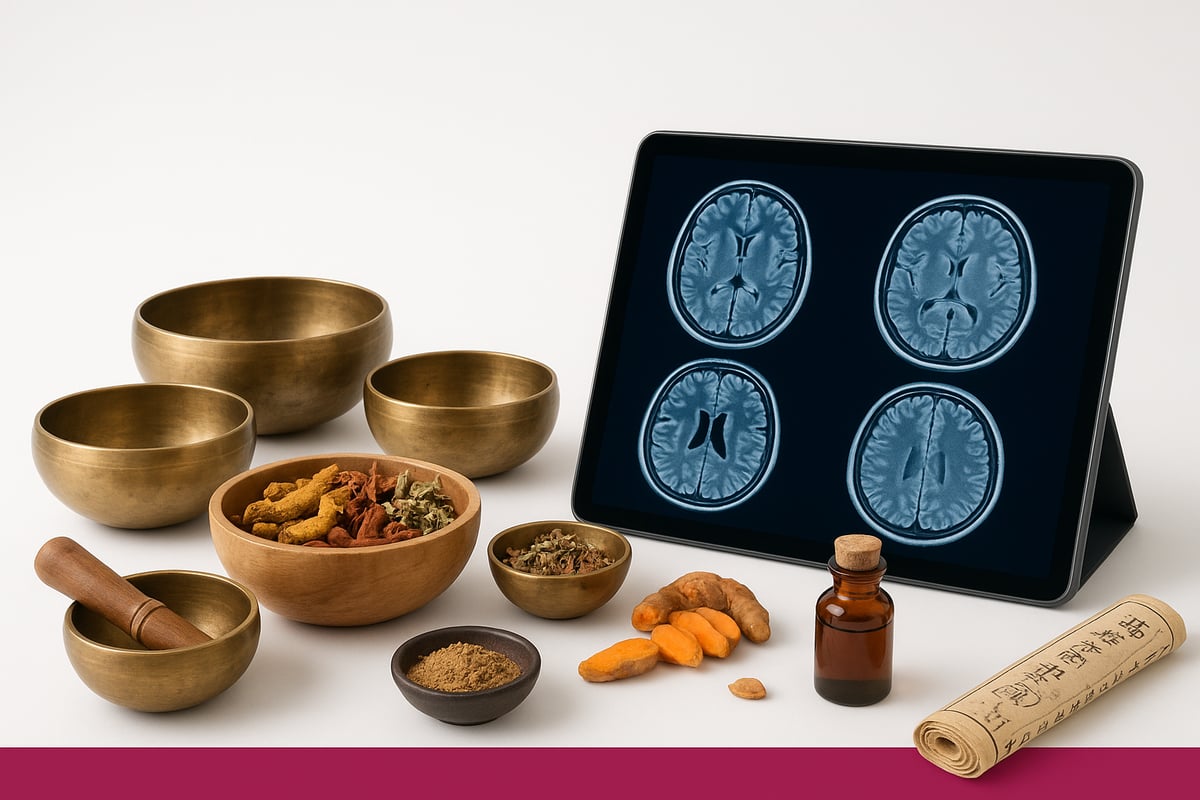
Ancient healing systems have always recognized the interconnectedness of mind, body, and spirit. Practices such as Ayurveda, Traditional Chinese Medicine, shamanic rituals, and indigenous ceremonies are rooted in a holistic worldview. These traditions emphasize spiritual and healing methods that focus on prevention, balance, and the restoration of natural harmony.
Key elements often include:
Breathwork and meditation:Used to calm the mind and connect with inner wisdom.
Plant medicine:Harnessed for both physical and energetic healing.
Sacred storytelling and myth:Shared narratives that pass down spiritual and healing knowledge across generations.
Ritual and ceremony play a central role, fostering a sense of belonging and transformation. For example, Buddhist monastic practices, highlighted at the Harvard symposium, demonstrate how structured meditation and community support can lead to profound personal change.
Ancestral and generational healing is another vital aspect. Many women today are reclaiming their power by engaging in practices that release inherited trauma. Resources like generational healing sessions for women offer guidance rooted in both tradition and intuition.
These ancient approaches remind us that spiritual and healing journeys are not only personal but also collective, drawing strength from community, ritual, and shared meaning.
Modern Science: Validating Spiritual Practices
As the landscape of health evolves, scientific research is increasingly validating the value of spiritual and healing practices. Studies from institutions like Harvard and the Benson Institute reveal that mindfulness, meditation, and relaxation responses can significantly improve quality of life, immune function, and psychological resilience.
Recent epigenetic research shows that spiritual and healing activities may influence how our genes respond to stress. For instance, mindfulness techniques have been shown to impact gene expression in immune pathways, highlighting the biological basis for holistic practices.
Measuring the benefits of spiritual and healing experiences can be challenging, given their deeply personal nature. However, tools such as quality-of-life scales and physiological markers are making it possible to track outcomes more objectively.
Integrative medicine now merges conventional treatments with spiritual and healing modalities, providing a comprehensive model of care. This approach recognizes the mind-body-spirit connection as essential for sustainable health.
A systematic review found that spiritual well-being and cancer-related fatigue are closely linked, with spiritual practices contributing to reduced fatigue and greater resilience among patients. These findings support the view that spiritual and healing methods can offer measurable, lasting benefits.
As science continues to explore these connections, the integration of ancient wisdom and modern research is shaping a new era of holistic well-being for all.
Personalizing Your Spiritual and Healing Journey
Embarking on a spiritual and healing journey requires a highly personalized approach. No two paths are alike, and honoring your unique needs is essential to unlock true transformation. By tuning into your intuition and exploring diverse practices, you can shape a journey that is meaningful and sustainable.
Identifying Your Unique Path
Personalizing your spiritual and healing experience begins with honest self-reflection. Take time to assess your beliefs, values, and current challenges. Are you seeking emotional balance, deeper meaning, or physical vitality? These questions help clarify your intentions and guide your next steps.
Explore a range of modalities to find what resonates. Some individuals are drawn to energy healing, while others prefer creative arts or movement-based practices. Common approaches include:
Meditation and mindfulness exercises
Yoga, tai chi, or dance
Energy work such as Reiki or acupuncture
Art therapy, journaling, or music
Nature immersion and eco-therapy
Intuition is your compass on the spiritual and healing journey. Trust your inner guidance when choosing practices or practitioners. Setting clear boundaries and moving at your own pace are vital for authentic growth. Remember, blending traditions can offer a richer experience, whether you combine breathwork with gratitude rituals or pair therapy with spiritual circles.
Learning from real stories can be inspiring. Consider the journeys of those who have blended different approaches, such as a pediatrician-turned-pastor who integrated faith and medicine, or a Buddhist monk who found healing through both meditation and service. These examples show there is no single right way.
Above all, self-trust is foundational. Cultivating confidence in your decisions empowers you to navigate uncertainty and embrace your own rhythm. For deeper insight into this concept, explore the power of self-trust in healing as an essential part of personal spiritual and healing work.
Tracking Progress and Celebrating Growth
Monitoring your spiritual and healing journey keeps you motivated and aware of your progress. Begin by selecting simple, effective tools to chart your development. Journals, mood trackers, or reflection exercises can help you notice subtle shifts and celebrate improvements.
Consider using a table to summarize your favorite tracking methods:

Recognizing signs of healing is key. You may notice:
Increased resilience and adaptability
Greater joy and sense of purpose
Stronger connection to self and others
Setbacks are natural parts of any spiritual and healing process. Meet challenges with self-compassion and patience. Seek feedback from trusted guides or communities when needed. Celebrate your milestones, no matter how small, as these moments reinforce your commitment.
Personalization and self-trust remain at the heart of lasting balance. By embracing your unique journey and honoring each step, you build a foundation for continued growth and fulfillment.
If you're looking to heal your inherited generational trauma in 2026 with energy healing, work with a Certified Generational Healer® today. Professionally trained by Deborah Skye King of the International Soul Therapy School.