Reiki Energy Healing Guide: Unlocking Transformative Wellness
Interest in holistic wellness is soaring worldwide, and reiki energy healing stands at the forefront of this movement in 2026. People from all walks of life are turning to this practice, seeking new ways to balance mind and body.
This guide reveals how reiki energy healing can unlock transformative wellness by merging ancient Japanese wisdom with the latest scientific insights. You will gain a clear, step-by-step understanding of what Reiki is, how it works, and why it matters today.
Discover the origins of Reiki, the scientific principles behind energy healing, what to expect in a session, and the profound benefits for physical, emotional, and spiritual health. Learn how to integrate Reiki into modern wellness routines and explore expert perspectives shaping its future.
Curious about real transformation? Read on to see how Reiki can become a valuable part of your own wellness journey.
What Is Reiki Energy Healing? Origins, Principles & Evolution
Reiki energy healing is drawing global attention in 2026 as individuals seek holistic, effective ways to support their well-being. Understanding its origins, core philosophy, and evolution helps reveal why this practice is now a cornerstone in wellness communities worldwide.
The Origins and Development of Reiki
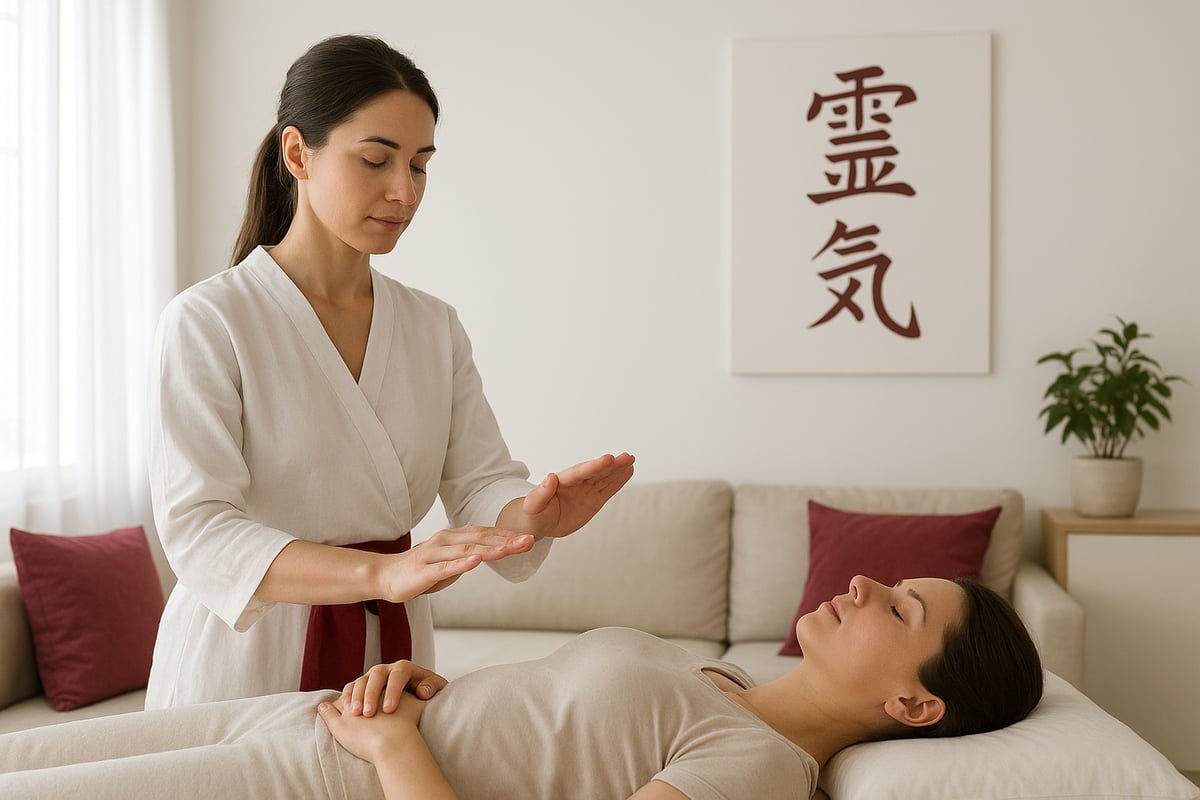
Reiki energy healing began in early 20th-century Japan with Mikao Usui, who sought to revive ancient healing methods for modern times. The term “Reiki” combines “Rei,” meaning universal or spiritual, and “Ki,” meaning life force energy. Usui’s system emphasized simplicity, accessibility, and spiritual growth, making it distinct from other practices like Pranic Healing or Qigong.
As reiki energy healing spread from Japan to the West, it adapted to new cultures and healthcare settings. For example, since the 1990s, Western hospitals have integrated Reiki into patient care, recognizing its calming effects. Unlike some energy modalities, Reiki is known for its gentle, non-manipulative approach and its focus on universal life force.

Core Principles and Philosophy of Reiki
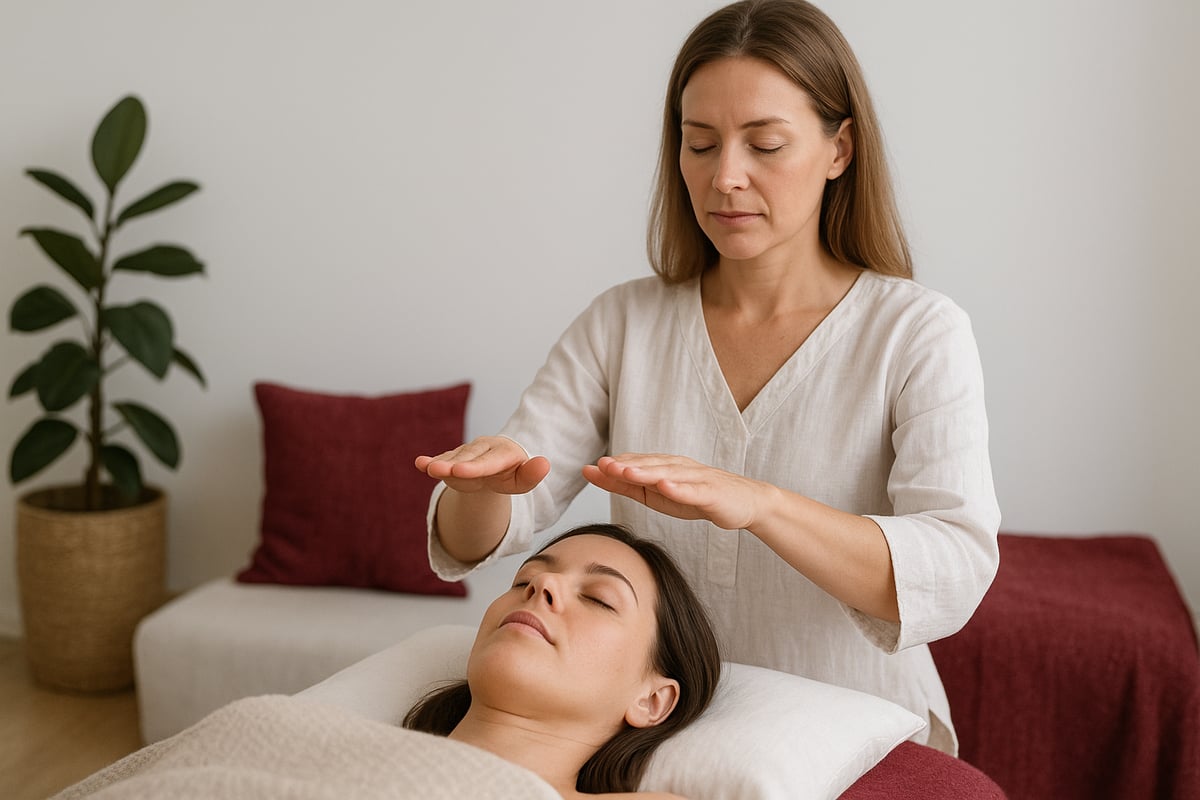
At the heart of reiki energy healing is the belief that a universal life force flows through all living beings, sustaining physical, emotional, and spiritual health. Reiki is a non-invasive practice, delivered either with gentle touch or hands held just above the body. The practitioner acts as a conduit, channeling energy rather than generating it.
Key principles include:
Self-healing and empowerment
Restoring balance and harmony
Honoring the holistic nature of wellness
Spiritual, yet non-religious orientation
To understand these foundations, explore Spirituality and Energy Concepts, which delves deeper into the nature of energy and its role in healing. This perspective supports Reiki’s emphasis on self-discovery, mindful living, and compassionate intention.
Reiki’s Place in Modern Wellness and Medicine
Reiki energy healing has become a respected component of integrative and complementary medicine. Hospitals, cancer centers, and clinics now offer Reiki as part of patient-centered care, customizing sessions to individual needs.
Organizations such as the National Center for Complementary and Integrative Health recognize Reiki’s potential, while leading institutions like NewYork-Presbyterian have established Reiki programs for inpatients.
Reiki’s non-invasive nature and adaptability make it accessible to diverse populations. Practitioners work alongside medical teams to support relaxation, pain reduction, and overall well-being.
Patient feedback often highlights feelings of calm, reduced anxiety, and faster recovery, further enhancing Reiki’s reputation in mainstream medicine.
Reiki Lineages and Styles in 2026
The world of reiki energy healing in 2026 includes both traditional Usui Reiki and emerging branches like Karuna Reiki and Holy Fire Reiki. Each lineage varies in technique, philosophy, and the depth of spiritual focus. Contemporary styles may introduce new symbols or meditative practices, while maintaining the essential aim of channeling healing energy.
Certification and training standards are now more formalized, ensuring practitioners meet high ethical and professional requirements. With the rise of virtual and remote Reiki sessions following the pandemic, accessibility has expanded. This evolution allows more people to experience the transformative effects of Reiki, whether in person or online.
The Science of Reiki: How Energy Healing Works
The science behind reiki energy healing continues to intrigue both practitioners and researchers. By examining the foundations, mechanisms, and current evidence, we can better understand how this holistic practice supports mind-body wellness.
Understanding Life Force Energy: Concepts and Cross-Cultural Parallels
Central to reiki energy healing is the concept of a vital life force that animates all living beings. Across cultures, this energy is known by various names and understood in unique ways. In Japan, it is called "Ki," in China, "Qi," and in India, "Prana."

Modern science explores these ideas through the lens of the biofield, electromagnetic fields, and quantum biology. Energy blockages, according to reiki energy healing, may correspond to physical or emotional symptoms. Research has shown that practices enhancing energy flow can reduce stress and promote well-being.
Mechanisms of Reiki Healing
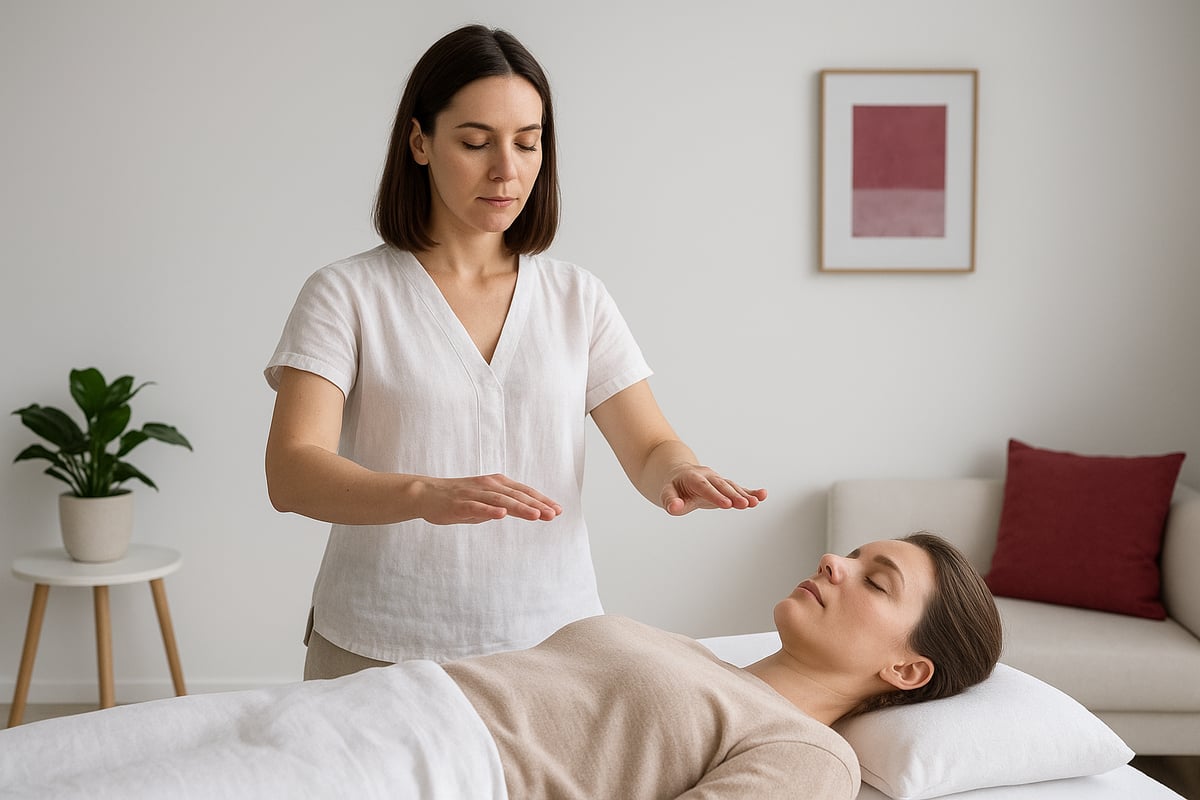
Reiki energy healing operates by channeling universal energy through the practitioner's hands, either gently placed on or just above the recipient's body. The goal is to clear energetic blockages and restore natural balance. Practitioners focus their intention and maintain a meditative state during the session.
Recipients often report sensations such as:
Gentle warmth or tingling
Deep relaxation
Emotional release
The process emphasizes that the practitioner acts as a conduit, not the source of energy. This approach allows reiki energy healing to support self-healing and holistic wellness in a non-invasive way.
The Mind-Body Connection and Reiki
Reiki energy healing has a notable impact on the nervous system. It helps activate the parasympathetic state, commonly referred to as "rest and digest." This shift encourages the body to reduce stress hormones like cortisol, which supports relaxation and recovery.
Emotionally, reiki energy healing can aid in regulating mood and releasing trauma held in the body. Hospitals have observed reductions in patient anxiety and pain following reiki sessions. These outcomes highlight the connection between energy practices and measurable mind-body benefits.
Scientific Research and Evidence (2026 Update)
Recent years have seen a significant rise in scientific studies assessing reiki energy healing. Peer-reviewed research and meta-analyses have examined its effects on pain, anxiety, and sleep. Notably, a 2025 meta-analysis found that reiki therapy can improve quality of life for many participants.
Up to 60% of surveyed patients report enhanced well-being after receiving reiki energy healing. While some studies show promising results, researchers acknowledge limitations and call for further investigation into biofield science and physiological impacts.
Myths, Misconceptions, and Skepticism
Despite growing interest, reiki energy healing is sometimes misunderstood. Common myths suggest it is purely placebo or a religious practice, yet it is spiritual but not tied to any faith. Reiki energy healing is compatible with conventional medicine and is increasingly offered alongside standard care.
Both advocates and skeptics contribute to ongoing dialogue. Informed consent and patient empowerment remain priorities, ensuring individuals understand what reiki energy healing can and cannot provide.
Step-by-Step Guide: What to Expect in a Reiki Session
Embarking on a reiki energy healing session can feel both exciting and mysterious, especially if it is your first time. Understanding each stage of the process helps you feel confident and open to the experience. Below, discover what to expect before, during, and after your session, along with important safety and accessibility guidelines.
Preparing for Your First Reiki Session
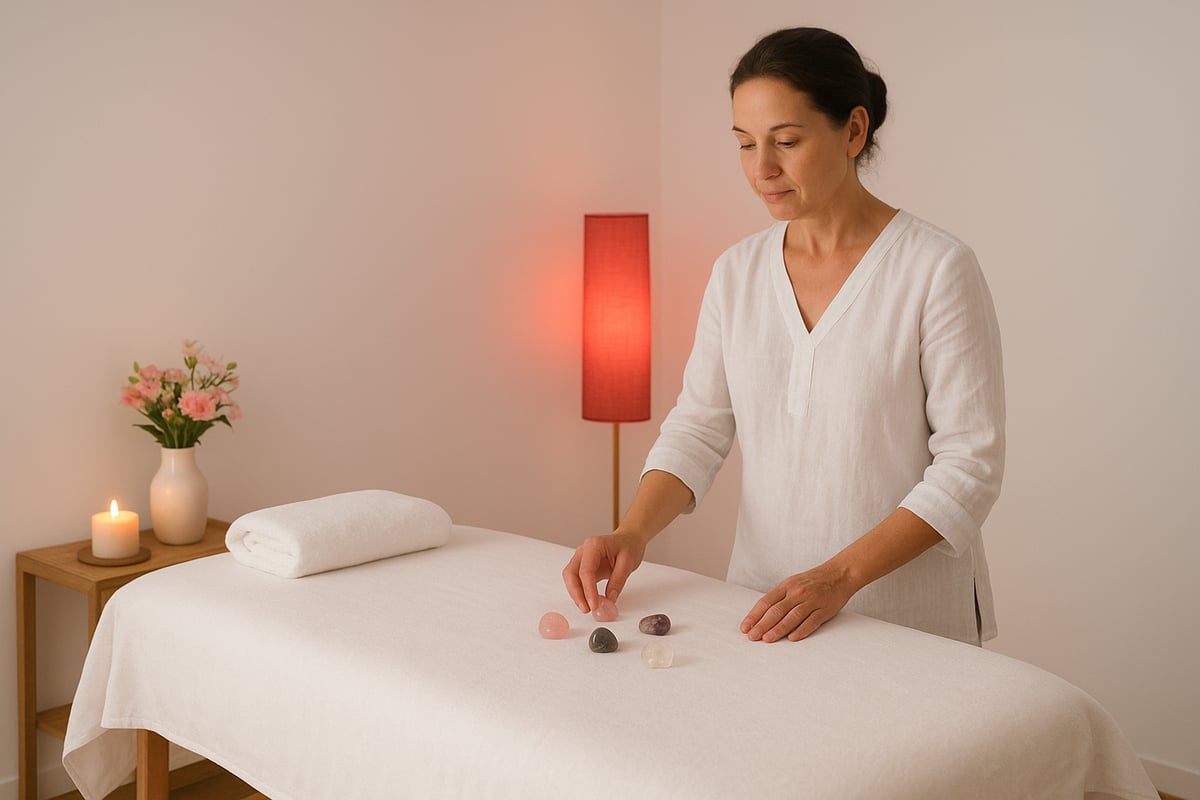
Before attending your first reiki energy healing session, choosing a qualified practitioner is essential. Look for certifications from recognized Reiki associations and read client testimonials to ensure professionalism and comfort.
Wear loose, comfortable clothing to promote relaxation. Many clients find that setting a personal intention enhances the session, such as focusing on stress relief or emotional balance. Take a few moments to reflect on your goals and any questions for your practitioner.
Hospitals and wellness centers often provide checklists for new clients, including reminders to arrive hydrated and to communicate any health concerns. Mental readiness is equally important, so allow yourself time to unwind before your appointment. This mindful preparation helps you receive the full benefit of reiki energy healing.
The Reiki Session Experience: Chronological Steps
A reiki energy healing session typically begins with a brief consultation. Your practitioner will ask about your needs and wellness goals. Next, you will be invited to lie down fully clothed on a massage table or sit comfortably in a chair.
The practitioner places their hands lightly on or just above specific areas of your body, following standard sequences or using intuitive guidance. Each hand position is held for several minutes. Sessions generally last 30 to 60 minutes, providing ample time for relaxation.
During reiki energy healing, recipients often report sensations such as warmth, tingling, or a deep sense of calm. Some experience emotional release or vivid imagery.
The practitioner will gently conclude the session, assisting you in grounding and returning to awareness. Many clients describe their first session as transformative and deeply restorative.
Aftercare and Integration
Post-session care is an important part of reiki energy healing. Practitioners recommend drinking water to support energy flow and help the body process any shifts. Taking time to rest or journal about your experience can foster deeper integration.
It is normal to notice emotional releases, vivid dreams, or a newfound sense of clarity in the days following a session. Tracking these changes in a wellness journal can help you recognize patterns and progress over time. For ongoing support, many people schedule regular sessions to deepen their reiki energy healing journey.
Some find that combining aftercare with other practices, like meditation or gentle movement, enhances the benefits. Remember that every individual’s response is unique, and open communication with your practitioner encourages the best outcomes.
Safety, Accessibility, and Contraindications
Reiki energy healing is considered non-invasive and safe for people of all ages and health backgrounds. There are no known side effects, making it a suitable option for children, pregnant women, the elderly, and individuals with chronic conditions. Sessions can be experienced in person, virtually, or even in group settings, increasing accessibility for diverse populations.
If you are managing a medical condition, it is important to inform your practitioner and continue following your healthcare provider’s advice. Reiki energy healing complements, but does not replace, conventional treatment. For more on Reiki’s integration with modern medicine, the Cleveland Clinic’s overview of Reiki provides further insight.
Always seek medical advice if you have concerns about symptoms or wish to integrate Reiki with your current care plan. Informed consent and open dialogue empower you to make the most of your healing journey.
Proven Benefits of Reiki for Transformative Wellness
Reiki energy healing has gained widespread recognition for its holistic benefits across physical, emotional, and spiritual dimensions. As more people seek integrative approaches to wellness, understanding the specific advantages of this practice becomes essential. In this section, we explore the proven benefits of reiki energy healing and its transformative impact on overall well-being.
Physical Health Benefits
Many people turn to reiki energy healing for relief from physical discomfort and to support their body's natural healing processes. Clinical studies report that Reiki can help manage chronic and acute pain, such as migraines, arthritis, and post-surgical recovery. Hospitals have noted improvements in patient outcomes, including reduced pain levels and enhanced sleep quality.
Reiki sessions may also support immune function and accelerate recovery from illness or injury. For example, several U.S. medical centers now offer Reiki as an adjunct therapy, with positive results in pain management and patient satisfaction. To learn more about hospital adoption and clinical outcomes, see this overview of Reiki integration in U.S. hospitals.
Emotional and Psychological Healing
Reiki energy healing is widely valued for its ability to reduce stress and foster emotional balance. By calming the nervous system, Reiki helps lower anxiety levels and promotes a sense of inner peace.
Many recipients describe a release of emotional tension during sessions, which can be especially beneficial for those processing trauma or undergoing mental health challenges.
Testimonials from addiction recovery and mental health programs highlight Reiki's role in enhancing resilience and coping skills. This gentle, non-invasive approach provides a safe space for emotional healing and growth, making it a valuable resource for holistic wellness.
Spiritual Growth and Self-Awareness
Beyond physical and emotional benefits, reiki energy healing supports spiritual development and greater self-awareness. Recipients often report a deepened connection to their intuition and a sense of clarity about life purpose. Reiki can facilitate spiritual awakening, leading to experiences of profound inner peace and expanded consciousness.
Clients frequently describe meditative or transcendent states during sessions, which foster reflection and personal insight. This aspect of Reiki energy healing encourages individuals to explore their inner landscape and embrace a holistic approach to well-being.
Reiki for Special Populations
Reiki energy healing is adaptable and accessible for diverse populations, including those facing serious health challenges. In palliative care and cancer recovery, Reiki provides comfort, reduces pain, and improves quality of life. Pregnant women, children, and elderly individuals also benefit from customized sessions that address their unique needs.
Trauma survivors and highly sensitive individuals often find Reiki to be a gentle, supportive modality. Programs like NewYork-Presbyterian’s patient-centered Reiki approach demonstrate the value of integrating Reiki into comprehensive care plans for various groups.
Limitations and Complementary Role
While reiki energy healing offers a broad range of benefits, it is important to recognize its role as a complement to conventional medicine, not a substitute. Integrating Reiki with therapies, medications, or other wellness modalities ensures a balanced, realistic approach to health.
Clients should maintain open communication with healthcare providers and set appropriate expectations for outcomes. Ethical practice and practitioner boundaries are essential for safe, effective Reiki experiences. This balanced perspective supports lasting transformation and empowerment for those on their wellness journey.
Building a Personalized Reiki Practice
To truly benefit from reiki energy healing, start by designing a practice that fits your unique needs. Decide how often you want sessions, whether weekly, biweekly, or as needed for stress management and relaxation.
Combine reiki sessions with complementary practices:
Meditation for mental clarity
Yoga for physical alignment
Breathwork for emotional balance
Set clear goals and track your progress using a simple wellness journal or app. Many holistic centers now offer sample routines, helping you structure your approach for optimal results. By integrating reiki energy healing consistently, you create a strong foundation for mind-body wellness.
Learning Self-Reiki: Empowerment and Daily Practice
Learning self-Reiki empowers you to take charge of your own healing journey. Begin with basic hand positions, such as placing your hands on your heart, head, or abdomen. Many practitioners recommend starting with Reiki Level 1 certification, which focuses on self-healing techniques and building energy awareness.
Regular self-practice offers benefits like stress reduction and emotional clarity. If you are interested in expanding your toolkit, explore resources like Personal Empowerment Practices to support your growth. Over time, self-Reiki can help you manage daily challenges and foster resilience.
Remote and Distance Reiki Healing
Remote reiki energy healing has gained momentum, especially with advances in technology and shifting wellness trends. In distance sessions, practitioners use intention and energetic connection to facilitate healing across space. Preparation for a virtual session includes finding a quiet space, setting an intention, and communicating openly with your practitioner.
Benefits of remote reiki energy healing include accessibility for people with limited mobility and flexibility for busy schedules. Many clients report similar results whether sessions are in person or virtual. This approach enables global access to skilled practitioners and supports ongoing wellness from any location.
Integrating Reiki With Modern Healthcare
Reiki energy healing is increasingly recognized in mainstream healthcare settings. Collaboration between reiki practitioners and medical professionals is becoming common, especially in hospitals and clinics. Sharing care plans and communicating openly ensures a holistic approach to patient wellness.
Insurance coverage for reiki services is expanding in some regions, making it more affordable. For those interested in the clinical side, explore Reiki research and clinical training for updates on hospital-based programs and research initiatives. Integrating reiki energy healing with traditional care supports comprehensive healing for body and mind.
Reiki in 2026: Trends, Innovations, and the Future of Energy Healing
The landscape of reiki energy healing is rapidly evolving in 2026, blending ancient tradition with cutting-edge innovation. From new digital technologies to scientific breakthroughs, this era is shaping a more accessible, evidence-based, and globally connected Reiki community.
Technological Advances and Digital Reiki
Technology is transforming reiki energy healing in unprecedented ways. AI-guided meditation platforms now offer personalized virtual Reiki sessions, adapting to users’ needs in real time. Wearable devices track physiological changes during Reiki, providing data on heart rate, stress levels, and relaxation responses.
Mobile apps guide users through self-Reiki practices, offering reminders, community support, and progress tracking. Digital platforms connect practitioners and clients worldwide, making Reiki more accessible than ever. These advances are helping to demystify reiki energy healing, integrating it seamlessly into everyday life.
Research Breakthroughs and Scientific Acceptance
In 2026, research into reiki energy healing has gained remarkable momentum. Advances in biofield science use sophisticated imaging and measurement tools to study energy patterns and physiological changes during sessions. Clinical trials have expanded, with hospitals increasingly including Reiki as part of integrative care plans.
Peer-reviewed publications continue to rise, reflecting growing interest and acceptance in the medical community. Recent data shows up to 60 percent patient satisfaction with Reiki as adjunct care, highlighting its role in holistic health. This scientific progress is fostering greater credibility and mainstream integration for reiki energy healing.
Expanding Access and Global Reach
Reiki energy healing is now accessible to more people than ever before. Training programs are available worldwide, both in-person and online, supporting practitioners in diverse communities. Virtual collectives and international networks connect people across continents, fostering sharing and innovation.
Cross-cultural adaptations ensure Reiki remains relevant for various traditions and beliefs. For those seeking ongoing support or connection, Free Spiritual Communities offer spaces to learn, practice, and grow with others passionate about reiki energy healing.
Reiki and Holistic Wellness Movements
Reiki energy healing is at the forefront of holistic wellness trends in 2026. Its synergy with nutrition, movement, and mental health practices is driving a shift toward preventative and integrative care. Wellness retreats increasingly feature Reiki alongside yoga, mindfulness, and nutrition workshops, creating immersive healing experiences.
Looking ahead, experts predict Reiki will play a key role in the future of healthcare and personal development. Its adaptability, accessibility, and proven benefits make it a cornerstone of the evolving wellness landscape.
As you’ve discovered in this guide, Reiki energy healing offers a powerful path to lasting wellness—helping you release old patterns, restore balance, and step into your true potential.
If you’re ready to go deeper, especially if you feel called to heal inherited family lineage trauma or explore spirit baby mediumship on your motherhood journey, I’m here to support you every step of the way.
I help spiritually curious women and mothers heal ancestral karmic trauma patterns so new pathways can open for purpose, fertility, and abundance.
Learn more and get started.