
How Do I Become an Energy Healer
You've felt the calling. Maybe it arrived through your own healing journey, or perhaps you've always sensed energy shifts in the people around you. The question "how do I become an energy healer" has been quietly growing louder in your awareness, and now you're ready to explore what this path truly requires. Becoming an energy healer isn't just about learning techniques or earning certificates.
It's a profound commitment to your own spiritual development, emotional healing, and the desire to hold space for others as they reclaim their wholeness. This journey asks you to heal yourself first, to understand energy on a deep intuitive level, and to cultivate the compassion and boundaries necessary to guide others through their transformations.
Understanding What Energy Healing Really Means
Energy healing operates on the understanding that we are more than our physical bodies. We carry emotional imprints, ancestral patterns, and energetic blockages that affect our health, relationships, and sense of purpose.
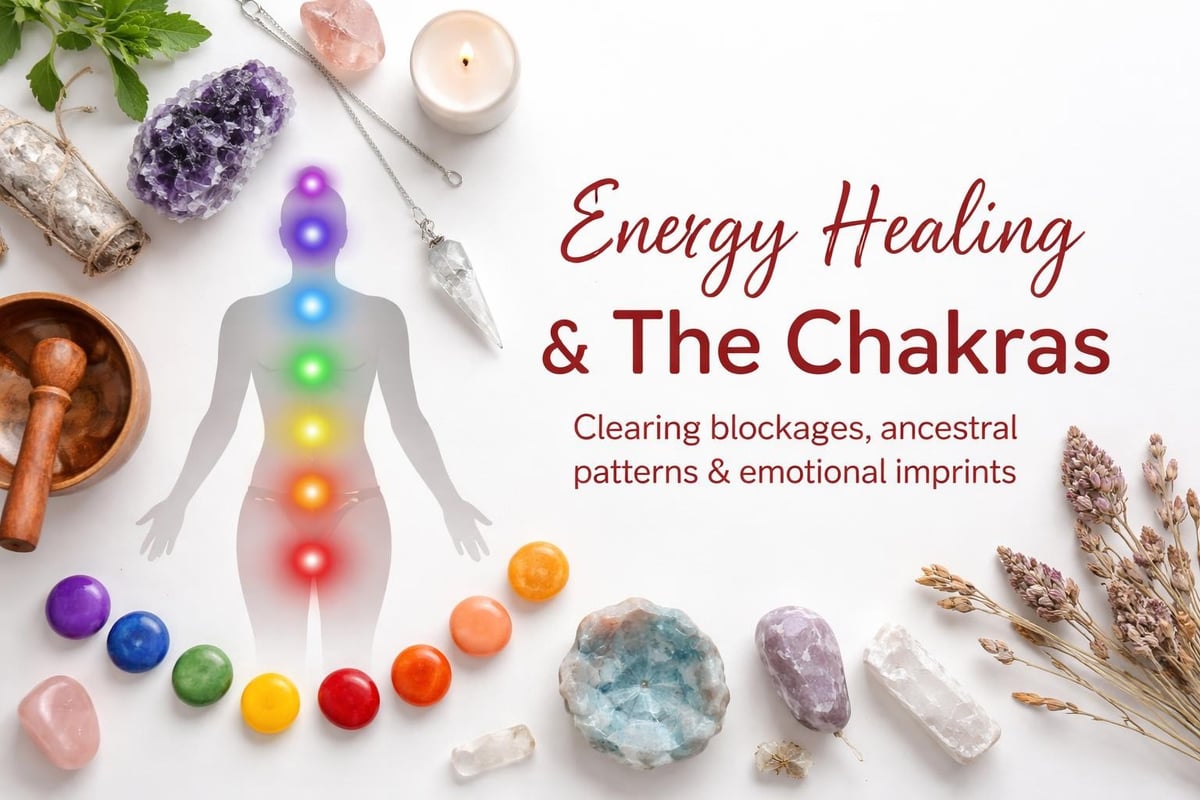
When you ask yourself how do I become an energy healer, you're really asking how to become a witness and facilitator of transformation. Energy healers work with the subtle energy systems of the body, including chakras, meridians, and the aura, to restore balance and support the body's natural healing capacity.
This work goes beyond treating symptoms. It addresses root causes that often stem from unprocessed emotions, generational trauma, and limiting beliefs stored in the energy field.
Key aspects of energy healing include:
Working with the chakra system to clear blockages and restore flow
Addressing emotional wounds stored in the energy body
Releasing ancestral patterns and inherited trauma
Supporting nervous system regulation through energetic attunement
Holding sacred space for clients to access their own healing wisdom
Different modalities approach this work in unique ways, from Reiki and Healing Touch to more intuitive and spiritually guided practices.
The Inner Foundation: Healing Yourself First
Before you can effectively guide others, you must walk the path of your own healing. This isn't optional preparation. It's the essential foundation of becoming a trustworthy, grounded energy healer.
Your personal healing journey teaches you what it feels like to move through resistance, to sit with uncomfortable emotions, and to integrate new levels of awareness. These experiences become your greatest teachers.
Why Self-Healing Matters
When you haven't addressed your own wounds, they can unconsciously interfere with your ability to hold clear space for clients. Unhealed trauma, unprocessed grief, or unexamined patterns may create blind spots in your work.
Many aspiring healers discover that their deepest wounds become their greatest medicine. The very patterns you've struggled with often become the areas where you can offer the most authentic support to others.
Self-healing practices to cultivate:
Regular energy clearing and chakra balancing for yourself
Therapy or counseling to address emotional patterns
Meditation and mindfulness practices
Shadow work to explore hidden aspects of yourself
Exploring your own ancestral patterns and family dynamics
This foundation of self-awareness helps you recognize when you're projecting your own experience onto a client versus truly listening to what's emerging in their field.
Choosing Your Energy Healing Modality
As you explore how do I become an energy healer, you'll discover numerous modalities and approaches. Each has its own philosophy, techniques, and training requirements.
Some practitioners learn one primary modality deeply, while others integrate multiple approaches over time. There's no single "right" path, only what resonates with your unique gifts and calling.
Popular Energy Healing Modalities
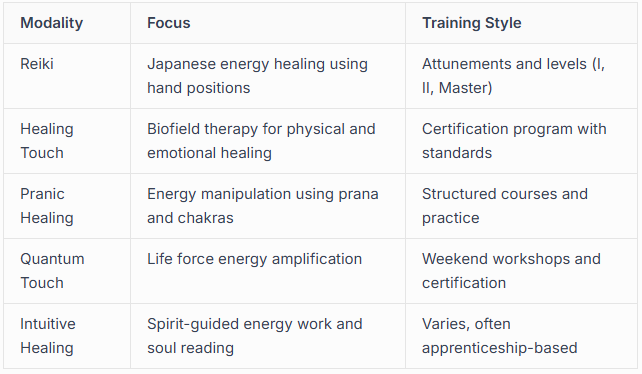
Understanding different energy healing modalities can help you recognize which approach aligns with your natural abilities and spiritual perspective.
Some modalities emphasize structured protocols, while others invite more intuitive, spirit-led work. Consider what feels authentic to how you naturally perceive and work with energy.
Formal Training and Certification Paths
While natural intuitive abilities are valuable, formal training provides essential structure, safety protocols, and credibility in your practice. The question of how do I become an energy healer often leads to exploring certification programs that offer comprehensive education.
Professional training teaches you techniques you might never discover on your own. It also connects you with mentors and a community of practitioners who understand this path.
What to Look for in Training Programs
Essential components of quality energy healing education:
Comprehensive understanding of energy anatomy (chakras, meridians, aura)
Hands-on practice with feedback from experienced instructors
Ethics and boundaries training for working with vulnerable clients
Business and legal considerations for professional practice
Supervision or mentorship as you develop your skills
Programs like the Healing Touch Certification offer standardized training recognized in healthcare settings, while other approaches may be more spiritually focused.
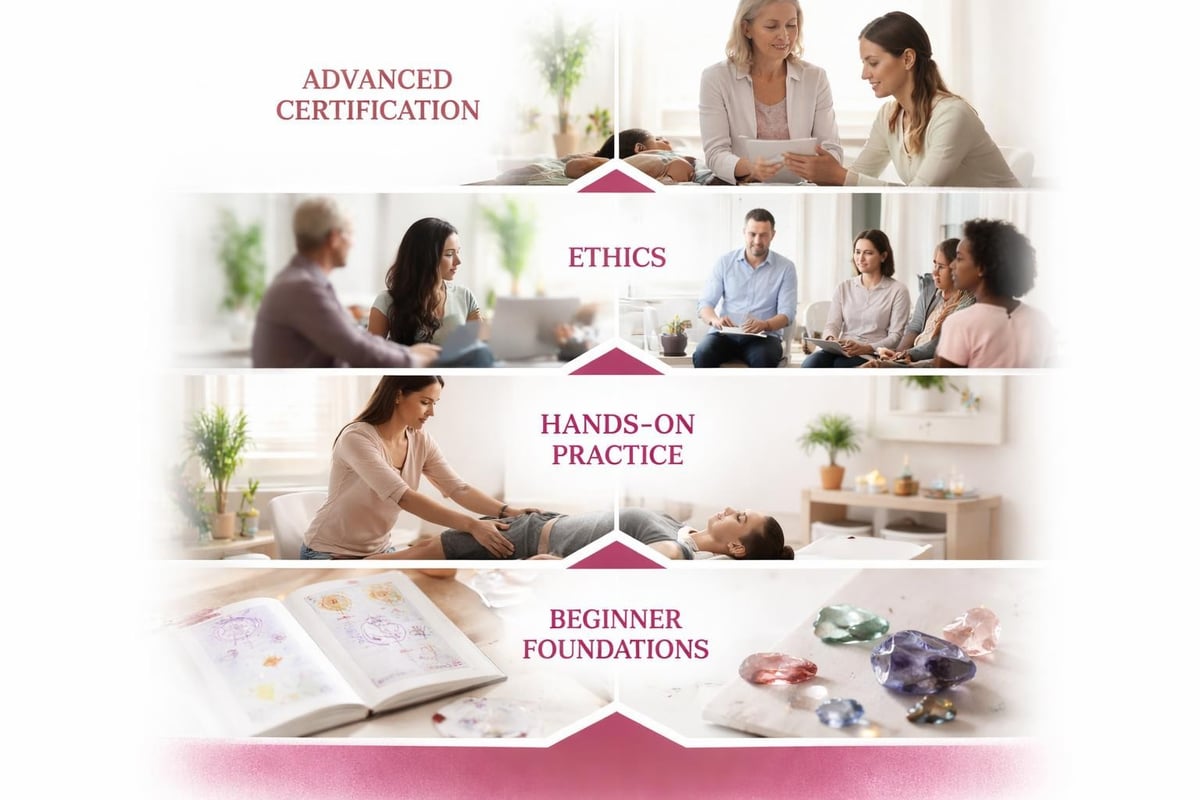
Consider whether you want certification that's recognized by professional organizations or if you're drawn to more alternative, intuitive training paths. Both have value depending on your goals.
The Role of Lineage and Mentorship
Energy healing traditions often pass knowledge through direct transmission from teacher to student. This lineage connection carries energetic attunements and wisdom that can't be learned from books alone.
Finding a mentor who embodies the qualities you aspire to develop can accelerate your growth immensely. Watch how they hold space, set boundaries, and navigate complex client situations.
Developing Your Intuitive Abilities
Technical knowledge alone doesn't make an effective energy healer. You must also cultivate your intuitive perception and learn to trust the guidance you receive.
Intuitive energy healing requires you to quiet your analytical mind and open to subtler forms of knowing. This takes practice and patience.
Strengthening Your Energetic Sensitivity
Your intuition communicates through multiple channels. Some healers receive visual impressions, while others sense energy through feeling, hearing, or simply knowing.
Practices to develop intuitive abilities:
Daily meditation to quiet mental chatter and increase sensitivity
Working with your own energy field to understand how energy feels
Practicing sensing energy on willing friends or family members
Journaling intuitive impressions and tracking their accuracy
Studying with teachers who can help you interpret what you're perceiving
Many aspiring healers worry they're "making it up" when they first receive intuitive information. This doubt is normal. Over time, as your impressions prove accurate, your confidence naturally grows.
Learning to Trust Your Inner Guidance
The path of answering how do I become an energy healer includes learning to differentiate between ego-driven thoughts and genuine spiritual guidance. This discernment develops through experience and self-awareness.
Your ego might want to fix, rescue, or prove your abilities. True healing guidance often feels quieter, clearer, and more compassionate. It respects the client's own timing and process.
Practicing with Integrity and Ethics
As you develop your abilities, ethical considerations become increasingly important. Energy healing involves entering someone's most vulnerable space, which requires profound respect and clear boundaries.
Core ethical principles for energy healers:
Obtaining informed consent before working with someone's energy
Maintaining confidentiality about what you perceive or are told
Recognizing the limits of your scope and referring when appropriate
Never claiming to diagnose or treat medical conditions without proper licensing
Being transparent about your training and experience level
Professional standards help protect both you and your clients as you build your practice. These guidelines aren't restrictive but rather create safety for transformational work to occur.
Understanding Scope of Practice
Energy healing complements but doesn't replace medical or mental health treatment. Clear communication about this with clients prevents confusion and potential harm.
You'll encounter clients dealing with serious trauma, mental health conditions, or medical issues. Knowing when to refer to appropriate professionals is a sign of maturity, not inadequacy.
Building Your Healing Practice
Once you've completed training and gained experience, you face the practical question of how to share your gifts with those who need them. Building a sustainable practice requires both spiritual and practical considerations.
Your healing work deserves to be valued and compensated appropriately. This isn't about greed but about creating the time and space to serve your clients well.
Creating Your Unique Approach
While you may train in specific modalities, your healing work will eventually develop its own signature. Your unique combination of training, intuitive gifts, and life experience creates an approach that only you can offer.
Some healers specialize in particular areas like trauma recovery, chronic pain, or spiritual awakening. Others work more generally with whoever comes to them. Both approaches are valid.
If you've experienced deep healing around generational patterns and ancestral trauma, you may find yourself naturally drawn to clients working through similar issues. Your personal journey becomes a bridge of understanding and compassion.
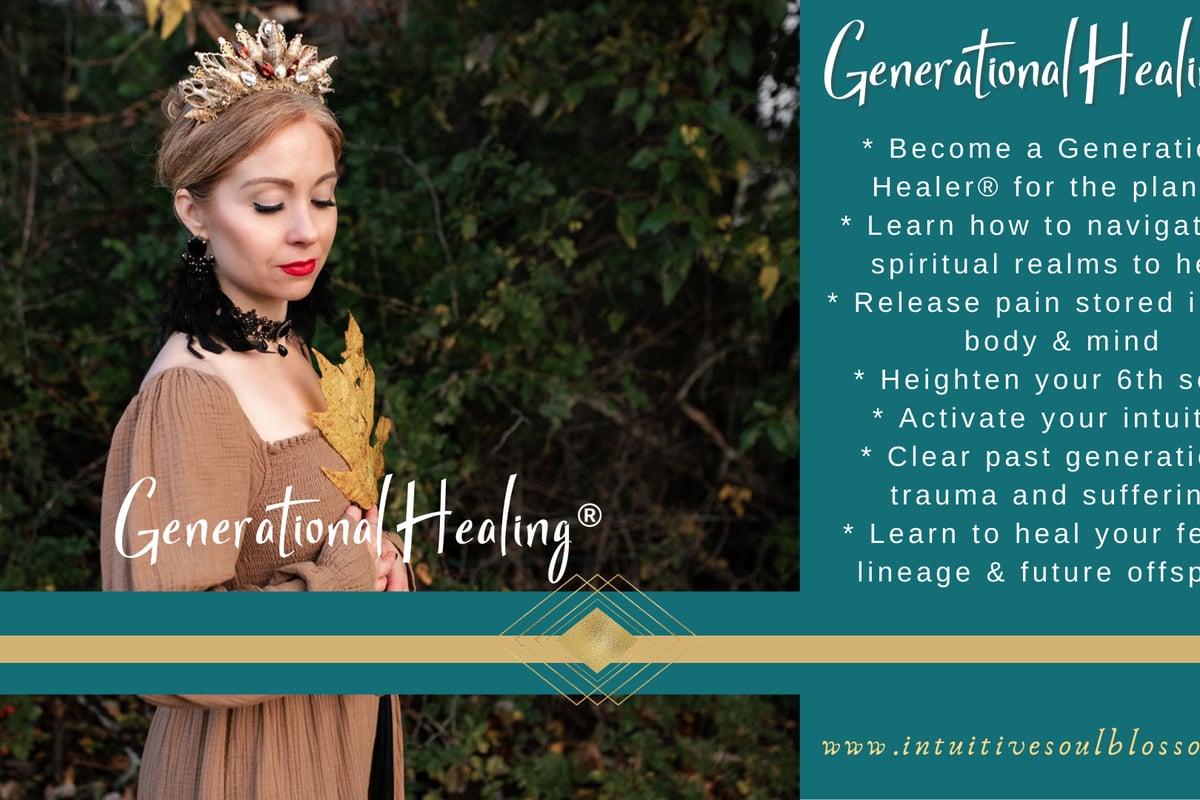
For those called to work specifically with inherited family patterns and lineage healing, specialized training can provide powerful tools and recognition. The Generational Healing® Global Certification Retreat Training offers comprehensive education in identifying and healing generational trauma, ancestral wounds, and inherited emotional patterns within family lineages.
Practical Business Considerations
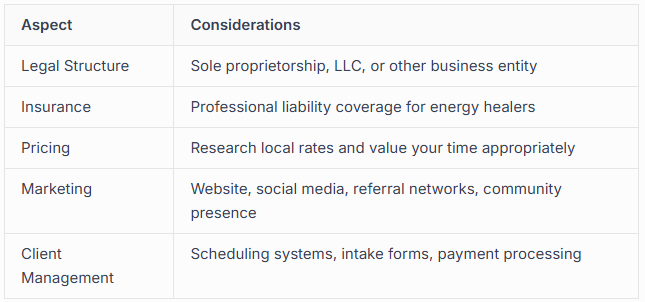

You don't need everything perfect before you begin. Many successful healers started by offering sessions to friends, gradually building confidence and clientele before fully committing to their practice.
Continuing Education and Growth
The journey of becoming an energy healer doesn't end with certification. The most effective healers remain students throughout their lives, continuously deepening their understanding and expanding their abilities.
Energy healing modalities evolve. New research emerges. Your own spiritual development opens new dimensions of perception and healing capacity.
Ways to continue growing as a healer:
Advanced training in your primary modality or related approaches
Studying complementary practices like herbalism, astrology, or somatic therapy
Attending workshops and conferences to connect with other practitioners
Receiving regular sessions from other healers for your own maintenance
Supervision or peer consultation groups for complex cases
Three ways to become an energy healer may get you started, but staying current with developments in the field keeps your practice vital and effective.
Addressing Your Own Burnout and Sustainability
Energy work can be draining if you don't maintain proper boundaries and self-care. Many healers struggle with absorbing client energy or giving more than they can sustain.
Learning to clear your own field after sessions, recognizing when you need rest, and maintaining your own healing practices prevents burnout. You can't pour from an empty cup.
The Spiritual Dimensions of Healing Work
Beyond techniques and business strategies, energy healing is fundamentally a spiritual path. It asks you to trust in forces larger than yourself and to serve as a channel for healing that originates beyond your personal ego.
This spiritual dimension distinguishes energy healing from purely physical therapies. You're not fixing anyone. You're holding space for their own healing wisdom to emerge and supporting their reconnection with Source energy.
Working with Spirit Guides and Higher Consciousness
Many energy healers develop relationships with spirit guides, angels, or other benevolent beings who assist in healing work. This support can provide guidance, protection, and enhanced healing capacity.
Your relationship with the Divine, however you understand it, becomes the foundation of your practice. Regular spiritual practice keeps you aligned with this greater source of wisdom and love.
Some healers work primarily with energy and spirit in highly intuitive ways, receiving specific guidance for each client. Others follow more structured protocols while remaining open to spiritual insights.
Honoring the Mystery
Even with extensive training and experience, healing retains an element of mystery. You'll witness transformations you can't fully explain and encounter situations that humble you.
This mystery invites reverence. The more you learn about energy healing, the more you recognize how much remains unknown. This humility serves both you and your clients well.
Creating Sacred Space for Transformation
Where and how you offer healing sessions matters. The environment you create impacts your clients' ability to relax, open, and receive.
Elements of effective healing space:
Physical cleanliness and energetic clearing of the room
Comfortable temperature and appropriate lighting
Minimal distractions or interruptions
Sacred objects or elements that support your practice
Clear boundaries around session time and structure
Your presence matters more than perfect surroundings. Clients primarily respond to the quality of your attention, compassion, and grounded centeredness.
Holding Space Without Attachment
One of the most challenging aspects of answering how do I become an energy healer involves learning to offer your best work while releasing attachment to outcomes. You can't control whether clients integrate the healing or make the changes their growth invites.
Your role is to facilitate, not to force. Trust that each person's healing unfolds in perfect timing, even when it looks different from what you think should happen.
Recognizing Your Readiness
You may never feel completely ready to call yourself an energy healer. Imposter syndrome affects even experienced practitioners. At some point, you must step forward despite your doubts.
Signs you're ready to begin practicing:
You've completed foundational training in at least one modality
You've done significant personal healing work yourself
You can sense and work with energy consistently
You understand basic ethics and boundaries
You feel called to serve others through this work
Start where you are. Offer sessions to willing participants with clear communication about your experience level. Every healer begins as a beginner.
The Ongoing Nature of This Path
Becoming an energy healer isn't a destination you reach and then complete. It's a lifelong journey of deepening sensitivity, expanding compassion, and refining your ability to serve.
Each client teaches you something new. Each challenging session invites you to grow. The question shifts from "how do I become an energy healer" to "how do I continue evolving as a healer and human being."
Your practice will transform as you do. What feels true and aligned now may shift in five years. Remain open to this evolution while honoring where you are today.
Trusting Your Unique Path
There's no single formula for becoming an energy healer that works for everyone. Your path will be shaped by your natural gifts, the training you're drawn to, and the specific ways you're called to serve.
Some healers work in clinical settings alongside conventional medicine. Others create private practices focused on spiritual awakening and consciousness expansion. Some specialize in working with specific populations like mothers, trauma survivors, or those experiencing grief.
Your personal healing journey, the patterns you've transformed in yourself, and the wisdom you've gained through your struggles all become medicine you offer others. Nothing in your experience is wasted.
Trust the timing of your unfoldment. If you're asking how do I become an energy healer, you're already on the path. The next step will reveal itself as you take action on what you know now.
Becoming an energy healer is both a practical skill set and a profound spiritual calling that invites you to serve as a bridge between the seen and unseen dimensions of healing. Whether you're drawn to working with generational patterns, supporting women through spiritual transitions, or offering space for deep soul-level transformation, your unique gifts are needed in the world.
If you're ready to explore your own healing journey or develop your abilities to guide others, Intuitive Soul Blossom LLC offers transformative sessions and training programs that honor the sacred nature of this work while providing practical guidance for your path.