Heal Her Guide: Empowerment and Recovery Insights
Women everywhere are embracing a powerful journey of healing and self-discovery in 2026. The path to reclaiming strength after adversity is more visible, supported, and achievable than ever before.
This guide is designed for those seeking real change. The heal her approach combines the latest research, actionable steps, and expert insight to help you thrive, no matter your starting point.
Explore new trends in women’s healing, learn practical empowerment strategies, and find inspiration in stories of resilience. Engage with each section to shape your own unique path to recovery and growth with confidence.
The Evolving Landscape of Women’s Healing in 2026
In 2026, the journey to heal her has become a vibrant movement, reflecting profound shifts in how women approach wellness and recovery. Today’s landscape is shaped by open conversations, innovative therapies, and a growing emphasis on holistic and inclusive support. Let’s explore the key trends and transformations defining this era of women’s healing.
Shifting Societal Attitudes Towards Women’s Wellness
Public perception of women’s wellness is rapidly changing. The heal her movement has encouraged more women to speak openly about mental health, trauma, and recovery. Therapy, coaching, and holistic healing are now widely discussed without stigma. Media platforms increasingly share stories of resilience and empowerment, helping normalize conversations about grief and emotional wellbeing.
Post-pandemic realities have also brought women’s mental health to the forefront. Influencers like Ashley LeMieux are leading open dialogues through podcasts and online communities. These platforms offer safe spaces for women to process their journeys and support each other’s healing.
Advances in Science and Holistic Healing
The integration of neuroscience, trauma-informed care, and somatic therapies is revolutionizing how women heal her today. In 2026, traditional and alternative medicine blend seamlessly, offering a range of healing modalities. Demand for self-help resources and online support groups continues to grow, as seen in the expansion of the Healing Her podcast community.
Technology plays a crucial role, with teletherapy, virtual support circles, and guided journals now widely accessible. For those seeking new solutions, Innovative Therapies for Complex Trauma highlight how somatic and cognitive approaches work together to support lasting recovery. These advances make it easier for women to find personalized, effective tools for healing.
Community and Peer Support Movements
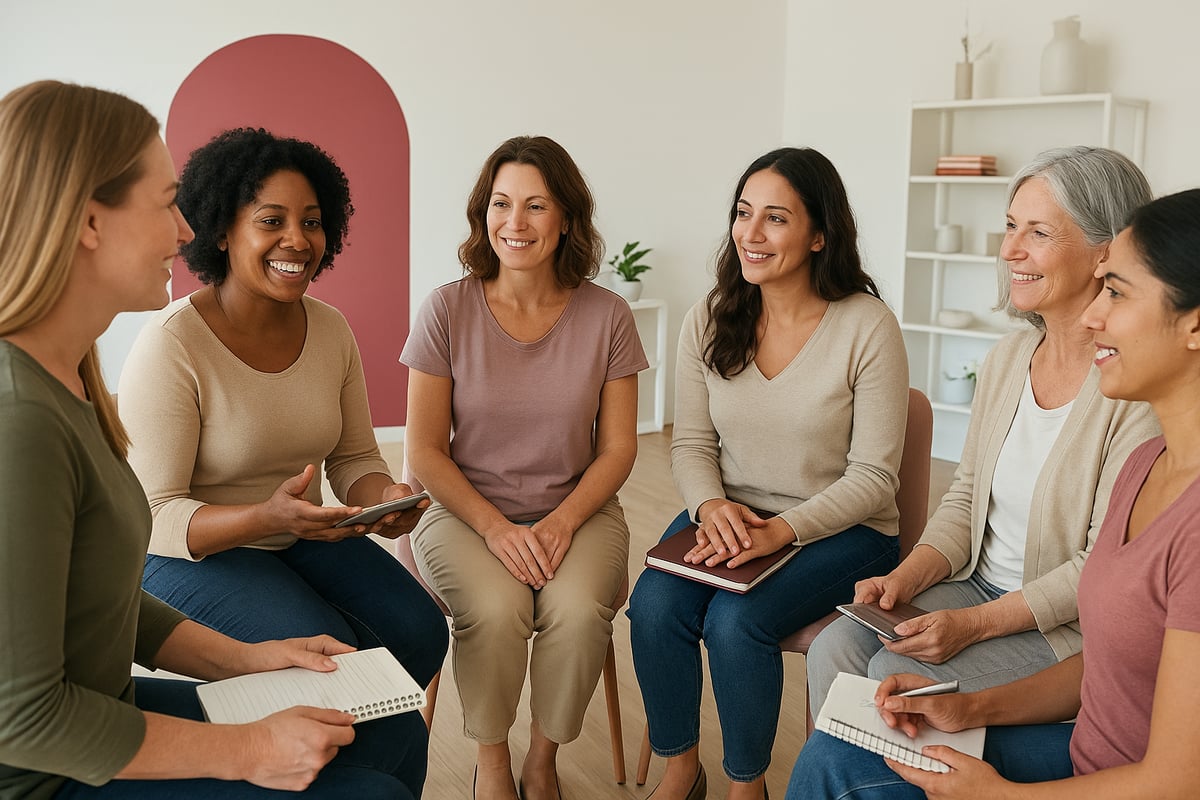
Community is central to the heal her journey. Safe, supportive spaces empower women to share their stories and celebrate progress. Women-led healing collectives, memberships, and peer mentorship initiatives are flourishing. These groups foster belonging and accelerate transformation by connecting women with others who understand their experiences.
Group coaching and online forums, such as the Healing Her Membership, provide ongoing encouragement and accountability. Through these communities, women access resources, expert guidance, and real-life inspiration to fuel their recovery.
Key Challenges Women Face in Recovery Today
Despite progress, women still encounter significant obstacles as they strive to heal her. Navigating grief, burnout, seasonal depression, and identity shifts can feel overwhelming. Balancing family, career, and personal healing often requires careful time management and self-compassion.
Financial, social, and cultural barriers persist, making it difficult for some women to access the support they need. Podcast episodes and community discussions now frequently address issues like money struggles and the complexities of motherhood transitions, offering practical advice and solidarity.
The Role of Intersectionality in Healing
Intersectionality is now recognized as essential in the heal her process. Women’s healing journeys differ based on race, sexuality, motherhood status, and generational trauma. Understanding these unique experiences helps create more personalized and culturally sensitive recovery strategies.
There is a growing focus on honoring diversity within healing communities. This ensures that every woman, regardless of background, can find tools and support tailored to her needs. The landscape of women’s healing in 2026 is evolving to embrace all voices, making empowerment and recovery more inclusive than ever.
Foundations of Empowerment: Mindset, Boundaries, and Self-Compassion
Empowerment is a cornerstone of the heal her journey, providing women with the tools to thrive after adversity. Building a strong foundation of mindset, boundaries, and self-compassion is essential for lasting transformation. In this section, explore practical strategies and expert insights to help you reclaim your power and foster holistic healing.

Cultivating a Resilient Mindset
A resilient mindset is at the heart of every heal her story. Reframing challenges as opportunities for growth can be transformative. Many women use daily mantras or affirmations, such as “I am worthy of healing,” to anchor themselves during tough times.
Setbacks are inevitable, but embracing imperfection is a strength. Studies show that positive mindset shifts accelerate recovery and support emotional resilience. The journey to heal her often begins by nurturing self-trust, which is explored in depth in the power of self-trust for women.
When you view obstacles as stepping stones, every experience becomes a lesson. Remember, resilience grows in small, daily acts of courage and self-acceptance.
Setting Healthy Boundaries for Healing
Boundaries are vital in the heal her process. Recognizing emotional triggers and energy drains helps you protect your peace and prioritize your wellbeing. Start by identifying situations or relationships that leave you feeling depleted.
Communicate your needs clearly, whether with family, friends, or colleagues. Setting boundaries is not selfish, it is an act of self-respect. Many heal her podcast guests share stories of how learning to say “no” transformed their lives.
Practical steps include making a list of your non-negotiables and practicing assertiveness in daily interactions. Setting healthy boundaries empowers you to focus on healing and personal growth.
Practicing Radical Self-Compassion
Radical self-compassion is a powerful pillar within the heal her journey. Moving beyond self-criticism and embracing self-acceptance can shift your entire perspective. Simple tools, like mindful breathing or gentle self-talk, can regulate emotions and reduce stress.
Daily self-care routines, such as journaling or meditation, foster emotional resilience. Guided practices tailored for trauma survivors can help you reconnect with your body and mind. The link between self-compassion and empowerment is well documented, supporting sustainable healing for women.
Remember, the heal her path is not about perfection but progress. Small acts of kindness toward yourself can create lasting change.
Reclaiming Personal Power After Trauma
Trauma can leave you feeling disconnected from your sense of agency. The heal her approach emphasizes gradual steps to rebuild confidence and autonomy. Begin by acknowledging your strengths and celebrating small victories.
Overcoming perfectionism and embracing vulnerability are key milestones. Many testimonials from healing communities highlight the importance of sharing your journey and learning from others. Reclaiming power means trusting yourself to make choices that serve your wellbeing.
Every step, no matter how small, is a testament to your resilience. With each act of courage, you reclaim a piece of your personal power.
The Importance of Support Systems
No heal her journey is complete without a strong support system. Identifying and cultivating supportive relationships can make all the difference in your recovery. Surround yourself with people who encourage your growth and respect your boundaries.
Do not hesitate to ask for help or build your healing team, whether through friends, family, or professional networks. Community membership and group coaching offer valuable opportunities for connection and accountability.
Support systems not only provide comfort but also inspire hope. By engaging with others, you strengthen your capacity to heal and empower those around you.
Step-by-Step Recovery Roadmap for Women in 2026
Embarking on the heal her journey in 2026 is a courageous act of self-empowerment. This roadmap offers clear steps, encouragement, and practical tools for women ready to reclaim their strength and healing. Every step builds on the last, guiding you to a place of resilience, self-compassion, and renewal.
Step 1: Acknowledging and Validating Your Experience
The first step in the heal her process is recognizing your feelings and experiences as valid. Healing begins when you give yourself permission to name your trauma, grief, or burnout.
Try a daily journaling practice:
Write down what you’re feeling without judgment.
Note when and how certain emotions arise.
Reflect on patterns or triggers you observe.
Self-reflection exercises, like the “Clarity Mapping” guided journal, help you see your journey as real and significant. Remember, validation is not about comparison, but about honoring your story as it is. By acknowledging your experience, you lay the foundation for deep heal her transformation.
Step 2: Seeking Professional and Peer Support
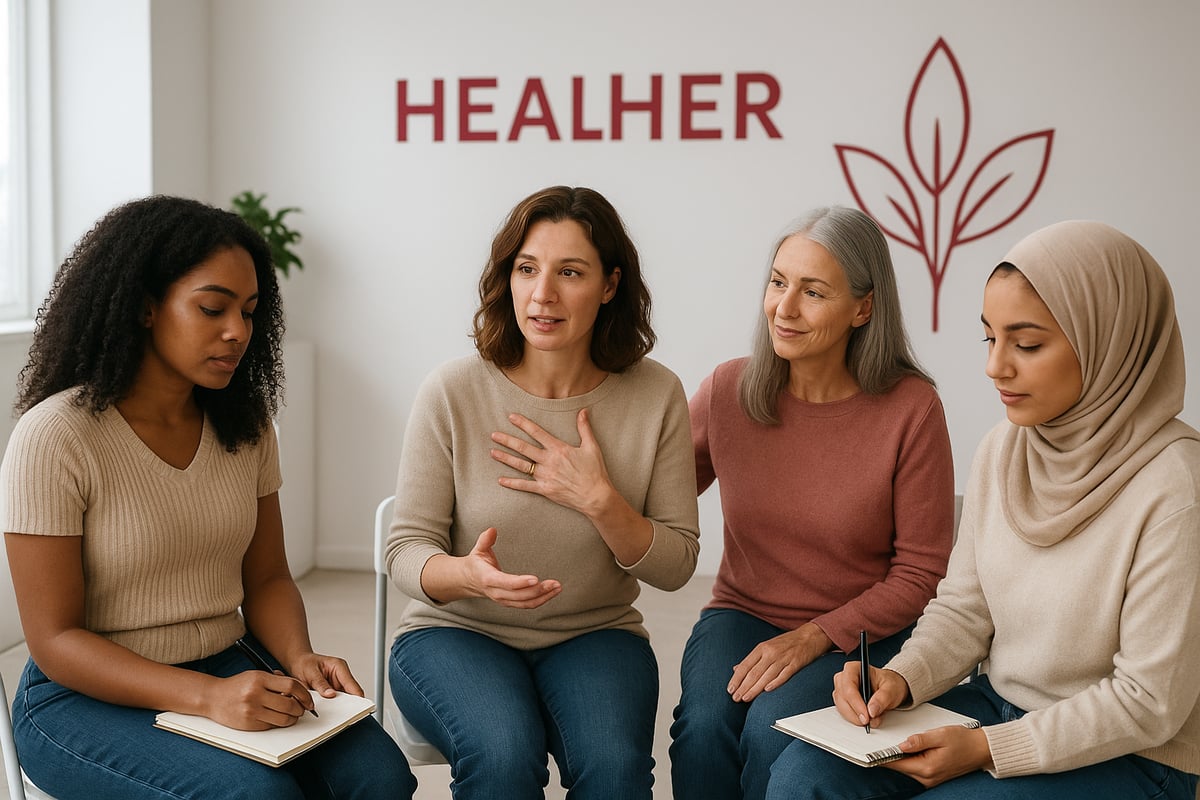
Finding the right support is fundamental to the heal her journey. In 2026, women have more options than ever for connecting with therapists, coaches, and supportive communities.
Consider these steps:
Research therapists who specialize in trauma-informed care.
Explore online and in-person support groups tailored to your needs.
Reach out to peer mentors or community leaders.
If you’re unsure where to begin, free women's healing communities offer safe spaces to connect and share with others on similar paths. Remember, seeking help is a sign of strength, not weakness. Support accelerates heal her progress by providing encouragement and accountability.
Step 3: Designing a Personalized Self-Care Routine
Your heal her plan thrives on routines that honor your unique needs. Self-care is not one-size-fits-all, so take time to identify what nourishes you physically, emotionally, and spiritually.
Start with the basics:
Prioritize restful sleep and balanced nutrition.
Incorporate gentle movement, like walking or yoga.
Schedule moments for mindfulness, such as meditation or deep breathing.
List your favorite self-care activities and rotate them throughout the week. Adapt your routine as your needs evolve. Consistency in self-care fortifies your heal her journey and boosts resilience.
Step 4: Replacing Unhealthy Coping Mechanisms
Many women discover that old habits, like avoidance or self-isolation, hinder the heal her process. The next step is to gently identify and replace these patterns with healthier alternatives.
Reflect on your typical responses to stress or pain. Then, try these substitutions:
Swap scrolling social media for creative outlets (art, music, writing).
Join a community event instead of withdrawing.
Practice grounding exercises when anxiety arises.
The goal is not perfection, but progress. Each positive shift supports your heal her transformation and opens space for lasting change.
Step 5: Navigating Emotional Shifts and Setbacks
Emotional ups and downs are a natural part of heal her recovery. Grief waves, anxiety, or seasonal depression can feel overwhelming, but you are not alone.
Equip yourself with these tools:
Use a mood tracker to notice patterns.
Practice self-forgiveness during setbacks.
Reach out to trusted friends or mentors when emotions intensify.
Real stories from healing communities show that flexibility and compassion are essential. Embrace each feeling as information, not a setback. Every step, even the hard ones, is part of your heal her growth.
Step 6: Celebrating Progress and Small Wins
Recognizing your achievements fuels the heal her journey. Progress is not always linear, so take time to celebrate every milestone, big or small.
Create rituals to acknowledge growth:
Light a candle after reaching a goal.
Share wins in your support group.
Keep a “victory journal” to revisit on tough days.
Community celebrations and personal rituals reinforce positive change. These moments remind you of your strength and inspire continued heal her progress.
Step 7: Planning for Long-Term Growth and Resilience
Sustainable healing means looking beyond today. The final step in the heal her roadmap is creating a vision for your empowered future.
Set goals that align with your values:
Design a vision board capturing your dreams.
Outline action steps for ongoing growth.
Revisit and revise your goals regularly.
Future-focused planning ensures that heal her recovery is not a destination, but a lifelong journey of evolution and resilience. By integrating these steps, you build a foundation for lasting empowerment.
Integrating Spiritual and Holistic Practices into Recovery
Integrating spiritual and holistic practices into your recovery journey can offer profound support on the path to healing. In 2026, women are increasingly turning to these approaches to nurture their minds, bodies, and spirits. The heal her movement embraces these modalities, recognizing their power to foster resilience and renewal.

The Role of Spirituality in Women’s Healing
Spirituality serves as a vital anchor in the heal her journey, providing comfort and meaning after adversity. Many women explore faith, intuition, and personal rituals to process trauma and rediscover hope. Practices like meditation, prayer, and energy healing are increasingly popular, with communities sharing stories of transformation.
Exploring ancestral healing for emotional trauma can also deepen your understanding of inherited patterns and support holistic recovery. As more women prioritize spiritual growth, the integration of these practices is reshaping the landscape of healing.
Mind-Body Connection and Somatic Therapies
The heal her approach recognizes that trauma is often stored in the body, not just the mind. Somatic therapies such as breathwork, yoga, and movement therapy help women release tension and reconnect with themselves. Neuroscience now supports the idea that addressing both physical and emotional responses is key to long-term recovery.
Guided somatic exercises, including gentle stretching and mindful breathing, can empower women to process grief and anxiety. These practices are accessible and adaptable, making them valuable tools on any healing journey.
Holistic Approaches to Emotional Wellbeing
True healing for women involves a multifaceted approach. The heal her philosophy encourages attention to:
Nutrition for balanced mood and energy
Quality sleep routines
Mindful movement and exercise
Herbal remedies and aromatherapy
Integrative self-care rituals
These holistic strategies work together to support emotional resilience. By personalizing your self-care, you can create a foundation for lasting growth and empowerment.
Creating Sacred Space for Healing
Designing a sacred space is an important part of the heal her process. A supportive environment can be both physical and emotional, fostering relaxation and introspection.

Small changes, such as lighting a candle or setting aside quiet time, can transform your space into a sanctuary for recovery.
The Power of Intuitive Guidance and Inner Wisdom
Learning to trust your intuition is a core principle in the heal her journey. Tools like meditation, dreamwork, and oracle cards can help strengthen your inner voice. Many women find clarity and direction by tuning into their instincts during times of transition.
Stories from healing communities highlight the value of honoring your unique wisdom. As you deepen this connection, you may discover new insights and a renewed sense of purpose.
Empowerment Through Connection: Community, Mentorship, and Storytelling
In 2026, connection is at the heart of every heal her journey. Women are discovering that empowerment grows stronger through shared stories, meaningful relationships, and active participation in supportive communities. Whether online or in person, these connections foster resilience, encourage growth, and create lasting impact.
The Healing Power of Shared Stories
Storytelling is a cornerstone of the heal her movement. When women share their journeys, they break cycles of silence, reduce stigma, and inspire hope. Vulnerability in sharing personal experiences fosters empathy and collective healing.
Podcast guest stories and listener testimonials reveal how open dialogue can transform both the speaker and the listener. The NIH Women's Health Roundtable on maternal mental health research highlights the importance of elevating women's voices, showing how storytelling drives awareness and policy change.
Building and Participating in Supportive Communities
Supportive communities are vital for the heal her process. Group healing, peer mentorship, and online forums offer safe spaces to exchange ideas and find encouragement. These circles create a sense of belonging and accountability.
Membership in online women’s healing communities continues to grow, showing the power of collective support. Women can start their own healing circles, join established groups, or participate in virtual events to strengthen their network and access diverse perspectives.
The Role of Mentorship in Empowerment
Mentorship accelerates transformation in the heal her journey. By connecting with mentors who have navigated similar challenges, women gain guidance, inspiration, and practical wisdom. Peer-to-peer support also plays a pivotal role in sustaining motivation and progress.
Community leaders and coaches often introduce new tools, such as generational healing sessions, that address deep-rooted patterns and foster lasting change. Mentorship nurtures confidence and encourages women to step into leadership roles themselves.
Leveraging Technology for Connection
Technology has expanded the reach of the heal her community. Apps, podcasts, and social platforms enable women to access support anytime, anywhere. The Healing Her podcast serves as a community hub, connecting listeners with expert advice and peer stories.
Virtual events, messaging groups, and online resources empower women to stay connected even when life gets busy. Digital tools break down barriers, making healing resources more accessible to all.
Giving Back: Empowering Others Through Your Journey
Sharing your heal her journey creates a ripple effect, inspiring others to begin or continue their own path. Leadership and advocacy opportunities abound, from facilitating support groups to contributing your story to podcasts or forums.
By lifting others, women reinforce their own growth and become catalysts for change in their communities. Empowerment multiplies when women give back, building a foundation for future generations to heal and thrive.
Navigating Life Transitions and Identity Shifts
Life is a series of transitions, each shaping who we are and how we interact with the world. For women in 2026, the journey to heal her identity and thrive through change is more important than ever. Whether facing motherhood, career shifts, or personal loss, understanding the landscape of transformation is essential.
Understanding Major Life Transitions
Major transitions, such as becoming a mother, changing careers, or experiencing loss, can profoundly impact a woman's sense of self. These moments often bring a mix of anticipation and uncertainty. Recent discussions, including episodes on heal her podcasts, highlight how these changes challenge emotional resilience.
Research shows that transitions like motherhood can affect mental health significantly. The NIH Women's Health Roundtable on Maternal Mental Health Research emphasizes the importance of elevating women's voices and supporting their mental wellbeing during these shifts. Recognizing the significance of each transition is the first step to heal her spirit.
Grieving Old Identities and Embracing the New
Letting go of former identities is a natural part of growth. Whether leaving behind a role, a relationship, or a familiar routine, grief often accompanies these changes. The heal her approach encourages honoring the past while remaining open to new possibilities.
Practical tools for this process include:
Guided journaling to process feelings
Mindful reflection on what has been learned
Rituals to mark endings and beginnings
Stories from healing communities show that embracing a new self is possible when grief is acknowledged, not ignored. This gentle acceptance is key to heal her journey.
Balancing Multiple Roles and Responsibilities
Juggling family, work, and personal growth requires intentional strategies. Many women find themselves stretched thin, navigating expectations from all directions. The heal her community suggests setting boundaries and prioritizing self-care to maintain balance.
Consider these practices:
Creating a weekly schedule with personal time included
Delegating tasks when possible
Communicating needs clearly to loved ones
Episodes on heal her podcasts share real-life examples of women finding harmony amid competing demands. Remember, balance is dynamic, not static.
Embracing Uncertainty and Building Resilience
Transitions often bring ambiguity, which can trigger anxiety or self-doubt. Building resilience means learning to adapt and thrive even when the path ahead is unclear. The heal her philosophy highlights the power of mindset and support during uncertain times.
Tools for resilience include:
Daily grounding practices
Connecting with mentors or supportive peers
Reflecting on past successes to boost confidence
Emerging research, such as the Long-Term Outcomes of New-Onset Mental Health Conditions After Trauma, underscores the importance of ongoing mental health support during significant changes to truly heal her life.
Celebrating Transformation and Forward Momentum
Marking milestones and new beginnings reinforces personal growth. The heal her journey is not just about overcoming adversity, but also about celebrating transformation. Rituals, such as vision boarding or joining community celebrations, help acknowledge progress.
Ways to celebrate include:
Hosting a small gathering to honor achievements
Writing a letter to your future self
Participating in group rituals within healing communities
By recognizing how far you have come, you empower yourself to keep moving forward. Every transition holds the potential to heal her and inspire others.
As you reflect on your healing journey and the insights shared in this guide, remember that real transformation often begins with a single, empowered step.
Whether you’re ready to release inherited family patterns, connect more deeply with your intuition, or nurture your path to motherhood, you don’t have to walk this road alone. I’m here to support spiritually curious women and mothers like you in healing ancestral karmic trauma so you can open new pathways for purpose, fertility, and abundance.
If you’re ready to take the next step, learn more and get started.