Grief Support Guide: Navigating Loss with Compassion in 2026
Grief touches every life, yet when it arrives, it can feel like you are utterly alone. In a world that is constantly changing, the experience of loss remains both universal and deeply personal.
This guide is designed to offer grief support that is both compassionate and practical, reflecting the latest insights alongside wisdom that endures. Whether you are facing loss yourself or supporting someone else, you will find understanding and actionable steps here.
Discover the stages of grief, effective coping strategies, and a wealth of resources to help you and others. Together, we will explore ways to honor memories and foster healing, ensuring you never have to navigate this journey in isolation.
Understanding Grief in 2026: What Has Changed?
Grief is an emotional, physical, and spiritual response to loss. In 2026, our understanding of grief support continues to evolve, reflecting the world we live in and the unique challenges people face today.
Defining Grief in a Modern Context
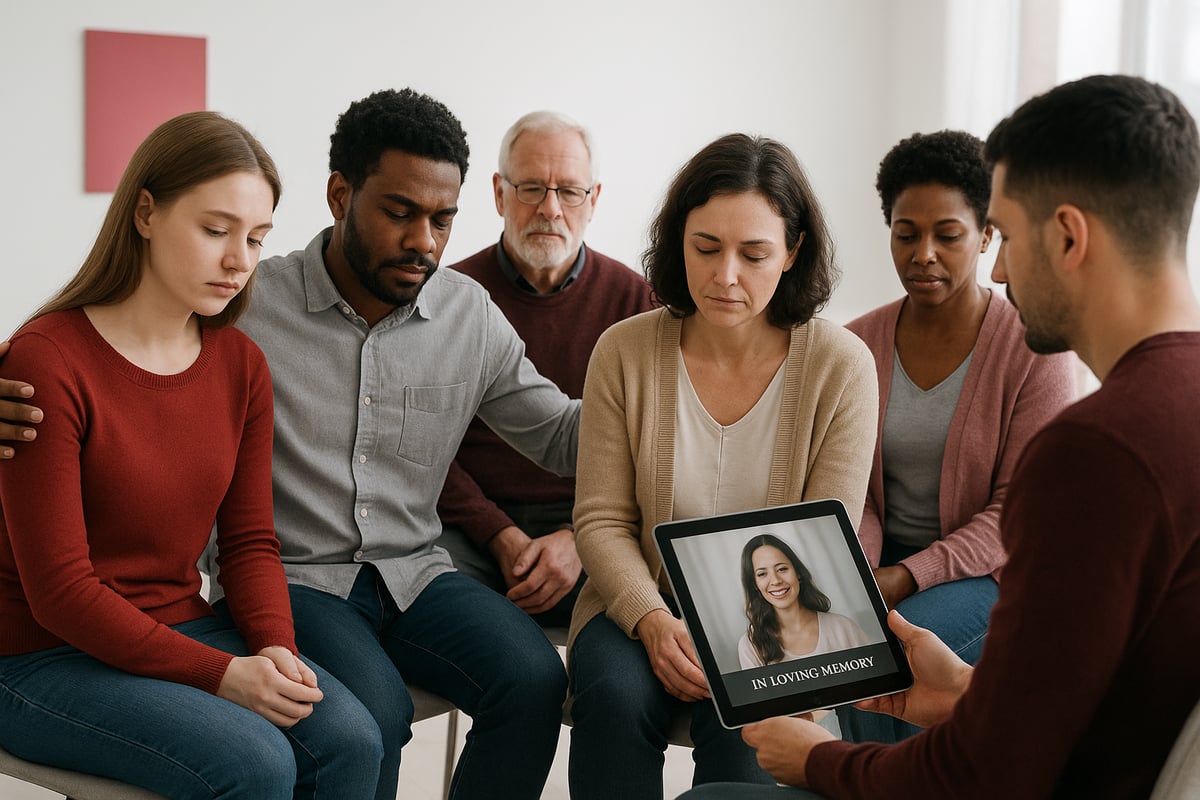
Grief is more than sadness. It can affect your mind, body, and spirit, sometimes all at once. Whether you are grieving a person, a relationship, a job, or even a pet, the experience is deeply personal. Grief support recognizes this complexity, offering space for all responses.
The New Face of Grief in 2026
Society is shifting. Technology now plays a central role in how we process and express loss. After the global pandemic, many people turned to online communities, virtual memorials, and digital rituals. These changes have made support more accessible, but also more complex, as individuals navigate both online and offline worlds.
Types of Loss: Expanding Perspectives
Loss comes in many forms. In 2026, grief support encompasses not only death, but also divorce, job loss, pet loss, and ambiguous losses, such as estrangement or chronic illness. The table below highlights common types of loss:
Type of Loss

Each form of loss can trigger a need for grief support, regardless of the situation.
Every Grief Journey Is Unique
There is no right way or set timeline to grieve. Some people find comfort in tradition, while others seek new ways to heal. Grief support now honors this individuality. People are encouraged to move at their own pace and choose what feels right for them.
The Stages and Models of Grief
You might have heard of the five stages of grief: denial, anger, bargaining, depression, and acceptance. Yet, newer models recognize that not everyone follows these steps in order. Meaning-making, or finding purpose in loss, is gaining attention. Recent statistics show that nearly 70 percent of people seek some form of grief support within the first year of a major loss, according to Empathy's 2025 Grief Tax Report.
The Influence of Culture, Identity, and Generations
Culture shapes how we mourn, what rituals we follow, and how we seek help. For some, grief support is rooted in community traditions or faith. For others, generational attitudes affect whether they ask for help or keep feelings private. Identity, background, and belief systems all play a role in how grief is experienced and supported.
Real Stories: Modern Grief Support in Action
Consider a young adult attending a virtual memorial for a friend, sharing memories in a chat room with others around the world. Or a family connecting through an online grief support group, finding comfort in shared stories. These examples show how grief support adapts to new realities, offering connection and healing in innovative ways.
Grief support in 2026 is dynamic, compassionate, and inclusive. It draws on both timeless wisdom and modern technology, ensuring that no one has to navigate loss alone.
The Emotional and Physical Impact of Grief
Grief is not only an emotional experience, but also a physical and mental one. The journey through loss can affect every part of our lives, shaping how we feel, think, and even how our bodies respond. Understanding these impacts is a vital part of finding effective grief support and healing in 2026.
Emotional Responses to Loss
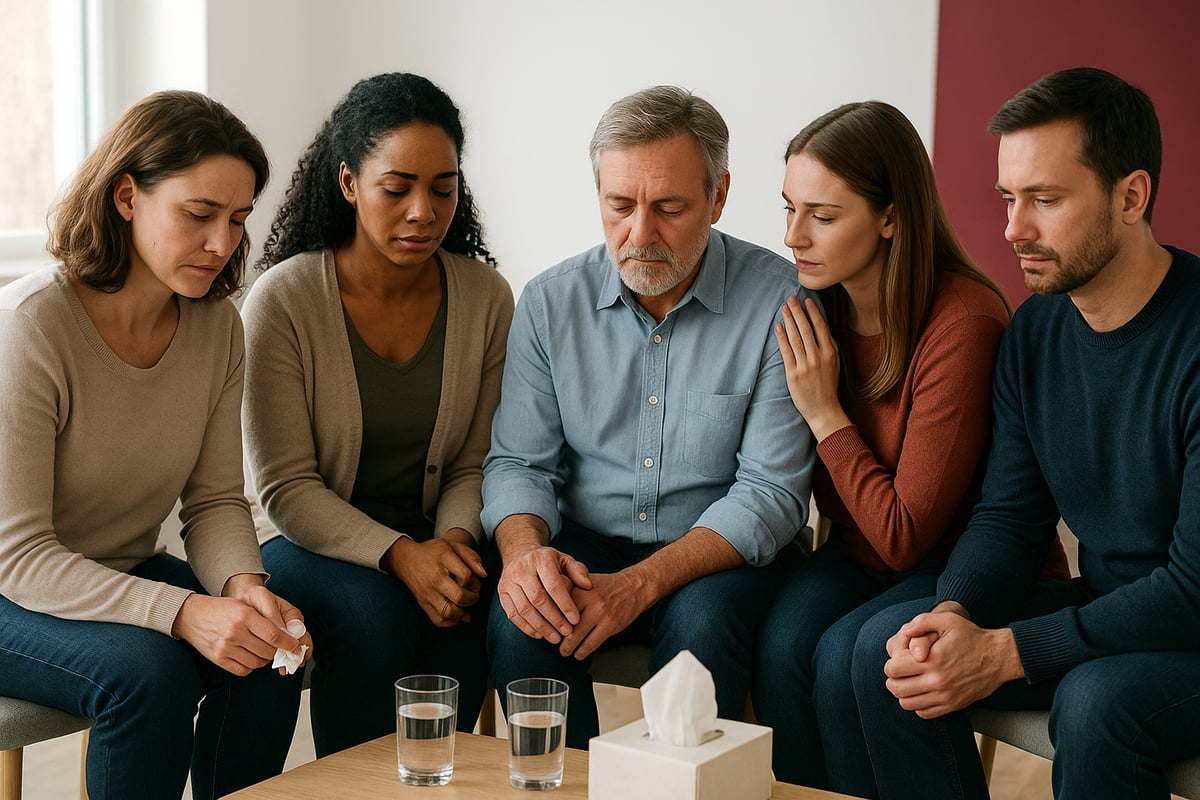
Everyone's emotional response to loss is unique, but certain feelings are very common. Sadness, anger, guilt, relief, and numbness can all be present at different times. These emotions often shift from day to day, sometimes even within the same hour.
There is no single "correct" way to feel. What matters is allowing yourself to experience these emotions without judgment. Some days, you may feel unexpectedly hopeful, while others bring overwhelming sorrow. Anniversaries and reminders can trigger waves of grief, making it feel as if you're starting from the beginning.
It's important to recognize the difference between normal grief and complicated grief. Complicated grief occurs when intense emotions persist for a long time, making it hard to function. If you find it difficult to manage daily life, it may be time to seek additional grief support.
Consider the story of Maya, who lost her father. She found herself cycling between anger and numbness, then suddenly bursting into tears at a familiar song. These ups and downs are natural, and reaching out for grief support helped her understand she was not alone.
Physical and Cognitive Effects
The impact of grief is not limited to emotions. Physical symptoms are common and can include:

Cognitive effects are just as real. Many people experience difficulty concentrating, memory lapses, and confusion. These changes can make work or daily tasks feel much harder.
Grief can also weaken the immune response, making you more susceptible to illness. According to Cruse Bereavement Support 2024 Statistics, more than half of bereaved individuals report significant physical symptoms, highlighting the widespread need for grief support.
If physical symptoms persist or interfere with daily life, consulting a healthcare provider is important. Early intervention can help prevent further complications.
Grief and Mental Health
Grief increases the risk of mental health challenges such as depression, anxiety, and PTSD. Warning signs that you may need extra grief support include persistent sadness, withdrawal from others, loss of interest in daily activities, or thoughts of self-harm.
Breaking the stigma around mental health is crucial. Seeking help is a sign of strength, not weakness. For example, after losing her partner, Elena struggled to get out of bed and found little joy in things she once loved. Professional intervention gave her the tools she needed to cope and begin healing.
Remember, grief support is available in many forms, and reaching out can make all the difference.
Compassionate Steps for Navigating Grief
Navigating loss is never linear, but compassionate, intentional steps can help ease the journey. Grief support is most effective when it honors your individuality, encourages authentic expression, and adapts to modern needs. Below, discover five practical steps to guide your healing path in 2026.

Step 1: Allow Yourself to Feel
Give yourself permission to experience every emotion that arises, whether it is sadness, anger, relief, or even moments of peace. There is no "right" way to grieve, and grief support begins with accepting the full spectrum of feelings without judgment.
Letting go of the myth of "staying strong" opens the door to genuine healing. Journaling, painting, or other creative outlets can offer safe spaces for expression. By acknowledging your feelings, you create a foundation for lasting grief support and resilience.
Step 2: Seek Support
You do not have to go through this journey alone. Connecting with friends, family, or professional groups can provide essential grief support. In 2026, options include online therapy and virtual support communities, making it easier to find understanding wherever you are.
Peer support has been shown to increase emotional well-being. If you are looking for connection, many Free grief support communities offer safe spaces to share and heal. Remember, reaching out is a sign of strength, not weakness.
Step 3: Practice Self-Care
Taking care of your body and mind is a crucial part of grief support. Prioritize sleep, nourishment, and gentle movement to foster physical resilience. Mindfulness and meditation can help anchor you during emotional storms.
Try creating a daily self-care routine, even if it is simple. For example, begin your day with a calming tea, a short walk, or a few deep breaths. Consistent self-care builds the strength needed for ongoing grief support and recovery.
Step 4: Memorialize and Celebrate Life
Honoring memories allows you to keep your loved one close while moving forward. Grief support often includes rituals, storytelling, and creative tributes, which can be deeply healing. In 2026, technology enables new ways to remember, such as virtual memorials or digital albums.
Share stories, light a candle, or create a memory box. These acts are as much for the living as for those remembered, providing comfort and a sense of connection within the grief support process.
Step 5: Embrace Patience and Flexibility
Healing does not follow a set timeline. Grief support means understanding that progress can be uneven, with setbacks and breakthroughs along the way. Adjust your expectations and give yourself permission to heal at your own pace.
Allow space for rest and self-compassion. Celebrate small victories, and know that flexibility is a key aspect of sustainable grief support. With patience, you will find moments of peace and meaning again.
Supporting Others Through Grief with Compassion
Supporting someone through loss requires sensitivity, patience, and a willingness to listen. Grief support is not about fixing pain but about holding space for healing. Whether you are a friend, colleague, or family member, your presence can make a meaningful difference.
How to Be Present for the Bereaved
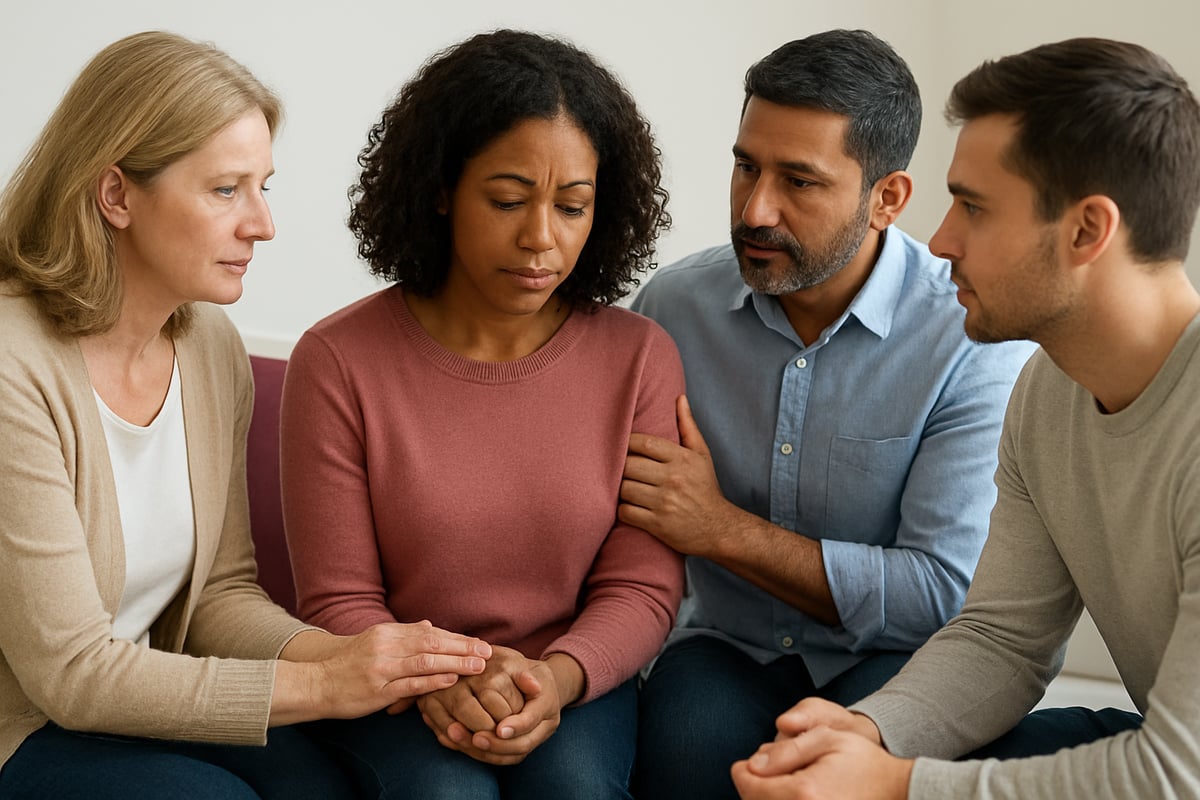
Being present for someone in grief means offering empathy without trying to solve their pain. Active listening is the cornerstone of effective grief support. Simple phrases like "I'm here for you" or "You don't have to go through this alone" can be comforting.
Here are some practical ways to show support:
Listen without judgment: Let them share memories, fears, or silence.
Avoid clichés: Phrases like "They're in a better place" may feel dismissive.
Offer practical help: Bring meals, help with chores, or assist with paperwork.
Respect their pace: Let the grieving person lead conversations about their loss.
Nonverbal gestures, such as a gentle touch or being physically present, can also convey care. During National Grief Awareness Week, organizations like SAMHSA provide additional grief support resources and education. Remember, your consistent presence matters more than perfect words.
Community and Group Support
Community can be a powerful anchor during loss. Grief support groups, both in-person and online, offer a safe space to share experiences and emotions. Connecting with others who understand can reduce feelings of isolation.
Benefits of joining a support group include:
Shared understanding: Participants relate to each other's struggles.
Collective healing: Group activities and discussions foster connection.
Access to resources: Many groups provide information on coping tools.
Grief support communities often adapt to members' needs, offering flexibility and encouragement. Participating in group settings can be a vital step toward healing.
Helping Children and Teens Cope
Children and teens process grief differently than adults. Age-appropriate grief support is essential for their emotional well-being. Open conversations, honest answers, and creative activities help young people express their feelings.
Helpful approaches include:
Storytelling and play: Encourage drawing, writing, or role-play.
Routine and reassurance: Maintain daily structure and offer consistent comfort.
Listening: Let them share memories or worries without pressure.
Specialized grief support resources exist for young people, including counseling and peer groups. Engaging with these services can help children and teens navigate loss in healthy ways.
Navigating Grief in the Workplace
Grief support in the workplace is vital for both employees and employers. Flexible work arrangements, clear bereavement policies, and compassionate communication foster a supportive environment.
Managers and colleagues can:
Acknowledge the loss: Express sympathy and offer time off.
Respect privacy: Allow the grieving individual to share details at their own pace.
Check in regularly: Offer ongoing support as they transition back to work.
A workplace culture that prioritizes grief support can make a significant difference during difficult times.
Tools and Resources for Grief Support in 2026
Navigating loss in 2026 means accessing a growing range of grief support resources. Whether you prefer professional guidance, digital platforms, self-education, or community connections, support is more accessible and diverse than ever.
Professional Help: Therapists, Counselors, and Coaches
Professional grief support is often the foundation for healing after loss. In 2026, therapists, counselors, and coaches use a variety of approaches, including cognitive behavioral therapy (CBT), trauma-informed care, and group therapy. These specialists provide safe spaces to explore emotions and develop coping skills.
If you are supporting others or work in the field, consider attending events like the Dougy Center's 2026 Virtual Professional Seminar, which offers up-to-date grief support tools and training. When seeking help, look for licensed professionals experienced in grief support, and do not hesitate to ask about their methods or specializations.
Digital and Online Grief Resources
Technology has transformed grief support, making it easier to find help regardless of location. Popular grief support apps offer guided meditations, journaling spaces, and peer communities. Virtual memorial platforms allow families to share memories and honor loved ones together, even from afar.
Online forums and video support groups connect individuals facing similar losses. While digital grief support is convenient and accessible, it is important to ensure privacy and choose reputable platforms. Many people combine digital resources with in-person grief support for a well-rounded approach.
Books, Podcasts, and Educational Materials
Books and podcasts remain powerful tools for grief support, offering comfort, validation, and new perspectives. Recent years have seen a surge in titles that address diverse forms of loss and modern challenges. Storytelling and expert interviews help listeners and readers feel less alone.
For those interested in personal growth and empowerment after loss, the Personal empowerment in healing archive features articles that inspire resilience and self-discovery. Educational materials can also guide families, friends, and professionals in providing better grief support.
Community Organizations and Support Groups
Local and national organizations are vital sources of grief support in 2026. Many offer both in-person and virtual support groups, workshops, and resources tailored to different kinds of loss. These groups foster community, shared experience, and collective healing.
To find grief support in your area, search for organizations dedicated to your specific needs, such as bereaved parents, pet loss, or cultural communities. Community initiatives, like neighborhood remembrance events or peer-led circles, continue to make a meaningful impact for those seeking connection.
Honoring Memories and Creating Meaning After Loss
Honoring memories is a vital part of the grief support process, offering comfort and a sense of continuity. As we move through 2026, people are blending traditional customs with new ways to celebrate and remember those they have lost. Creating meaning after loss can help transform pain into lasting connection.
Rituals and Traditions: Old and New
Rituals help individuals process grief support by providing structure and a sense of peace. In 2026, many families continue with beloved customs like lighting candles, creating memory boxes, or holding annual gatherings. Others have adapted to digital memorials, using online tribute pages or streaming vigils for distant loved ones.
Some also turn to spiritual practices, blending energy work or mindfulness into remembrance. For those seeking deeper spiritual meaning, exploring spirituality and energy in grief can provide comfort and a renewed sense of connection. Whether old or new, these traditions help people feel less alone and foster healing.
Finding Purpose and Growth Through Grief
The grief support journey can lead to unexpected growth and renewed purpose. Many find that after loss, they are drawn to volunteer work, advocacy, or creative expression. These activities not only honor loved ones but also allow for personal transformation.
Stories abound of individuals who channeled their grief into helping others, starting foundations, or creating art. This process, often called post-traumatic growth, shows how meaning can emerge from pain. Embracing this path can be empowering, turning sorrow into a source of resilience and hope.
Anniversary Dates, Holidays, and Special Occasions
Special dates can be challenging for those needing grief support. Birthdays, anniversaries, and holidays often bring up waves of emotion. Planning ahead can make these times more manageable.
Many families create new rituals, such as sharing a favorite meal, writing letters, or visiting meaningful places. Others find comfort in community events or online remembrance spaces. The key is to honor your feelings, seek support, and allow these occasions to become opportunities for reflection and love.
When Grief Becomes Complicated: Knowing When to Seek Extra Help
Sometimes, grief support alone is not enough. If intense sadness, isolation, or hopelessness persist for many months, it may be time to seek specialized help. Signs of complicated grief include withdrawal, difficulty functioning, or persistent longing for the person lost.
Resources like counseling, therapy, or even generational healing sessions information can provide targeted support. There is no shame in reaching out for help. Healing is a personal journey, and finding the right support can make all the difference.
As you move through the journey of grief, remember that you do not have to navigate these emotions and transitions alone. We’ve explored the importance of honoring your feelings, seeking support, and embracing new ways to heal — each step can open doors to deeper understanding and renewal.
If you’re ready to explore ancestral healing or spirit baby guidance as part of your personal path, I’m here to help you heal generational trauma and reclaim your unique sense of purpose, fertility, and abundance.
Ready to heal your inherited family lineage trauma with ancestral healing or book a spirit baby mediumship reading to support you on your Motherhood journey.
I help spiritually curious women and mothers heal ancestral karmic trauma patterns so new pathways can open for purpose, fertility, and abundance.