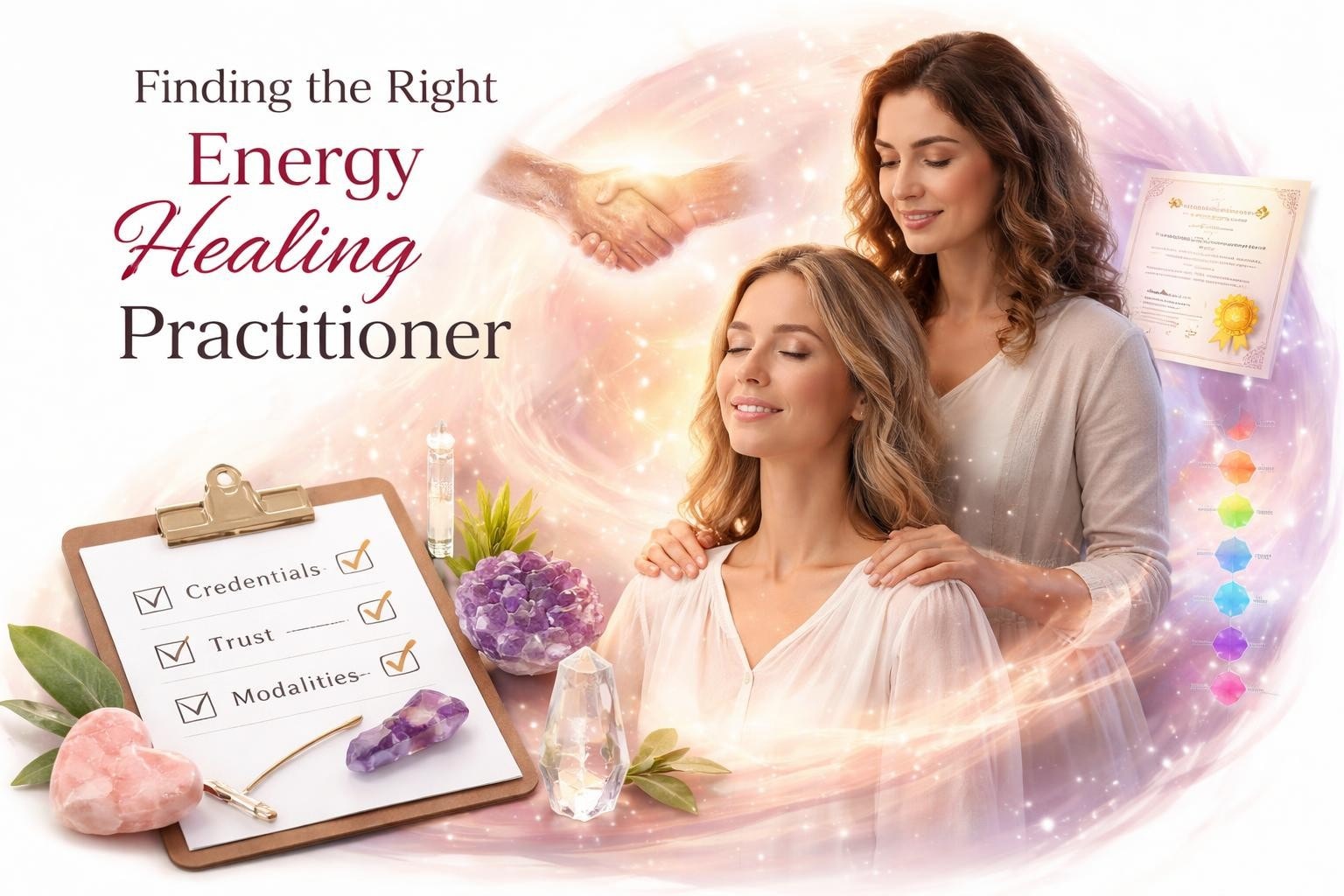
Energy Healing Practitioner: Your Path to Wellness
The wellness landscape has evolved significantly in recent years, with more individuals seeking holistic approaches to healing that address the body, mind, and spirit. An energy healing practitioner serves as a guide in this transformative journey, utilizing ancient wisdom and modern techniques to help clients release emotional blockages, heal ancestral trauma, and restore balance to their energetic systems.
Whether you're exploring energy work for the first time or seeking to deepen your existing healing practice, understanding what an energy healing practitioner offers can illuminate new pathways toward wholeness and spiritual growth.
Understanding the Role of an Energy Healing Practitioner
An energy healing practitioner works with the subtle energy fields that surround and permeate the human body. These professionals recognize that physical, emotional, and spiritual imbalances often manifest as disruptions in the body's energy flow. By identifying and addressing these energetic blockages, practitioners help clients achieve greater harmony and wellbeing.
The scope of practice varies widely among energy healing professionals. Some specialize in specific modalities like Reiki, while others integrate multiple approaches to create customized healing experiences. What unites all energy healing practitioners is their commitment to facilitating healing at the deepest levels, often addressing root causes that conventional approaches may overlook.
Core Responsibilities and Skills
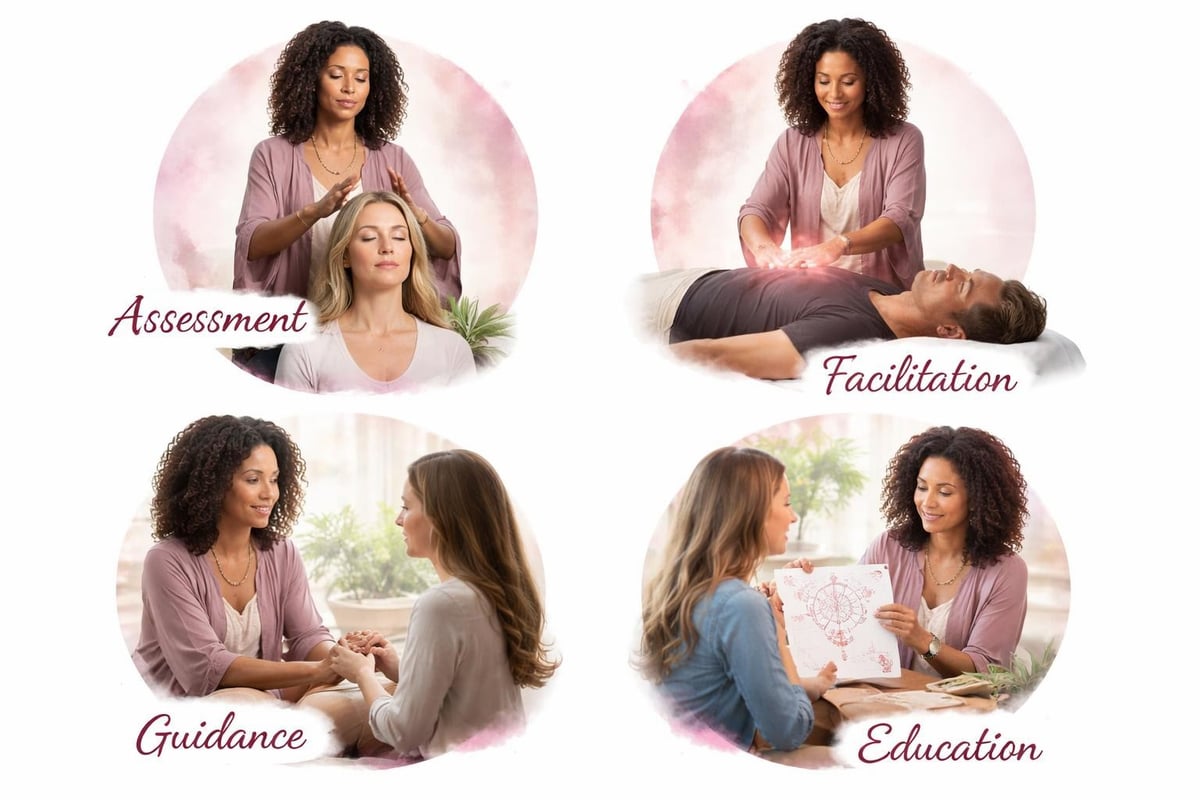
Energy healing practitioners serve multiple roles throughout the healing journey:
Assessment specialists who evaluate energetic imbalances and identify areas requiring attention
Facilitators who create safe, sacred spaces for transformation and release
Guides who help clients understand their energetic patterns and healing process
Educators who empower clients with tools for ongoing self-care and spiritual growth
The most effective practitioners combine technical knowledge with highly developed intuitive abilities. They must maintain their own energetic hygiene, continually refine their skills, and approach each client with compassion and presence.
Popular Energy Healing Modalities
The field of energy healing encompasses numerous modalities, each with unique approaches and applications. Understanding these different practices helps clients select the right energy healing practitioner for their specific needs.
Traditional and Modern Approaches
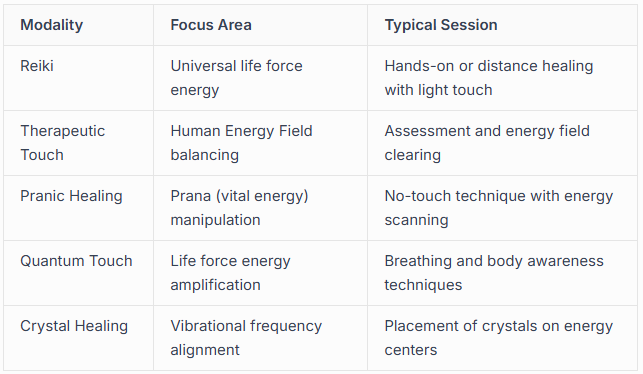
Each modality brings distinct benefits, and many energy healing practitioners train in multiple approaches to offer comprehensive care. The integration of different techniques allows practitioners to customize sessions based on individual client needs and energetic presentations.
Specialized Energy Work for Deep Healing
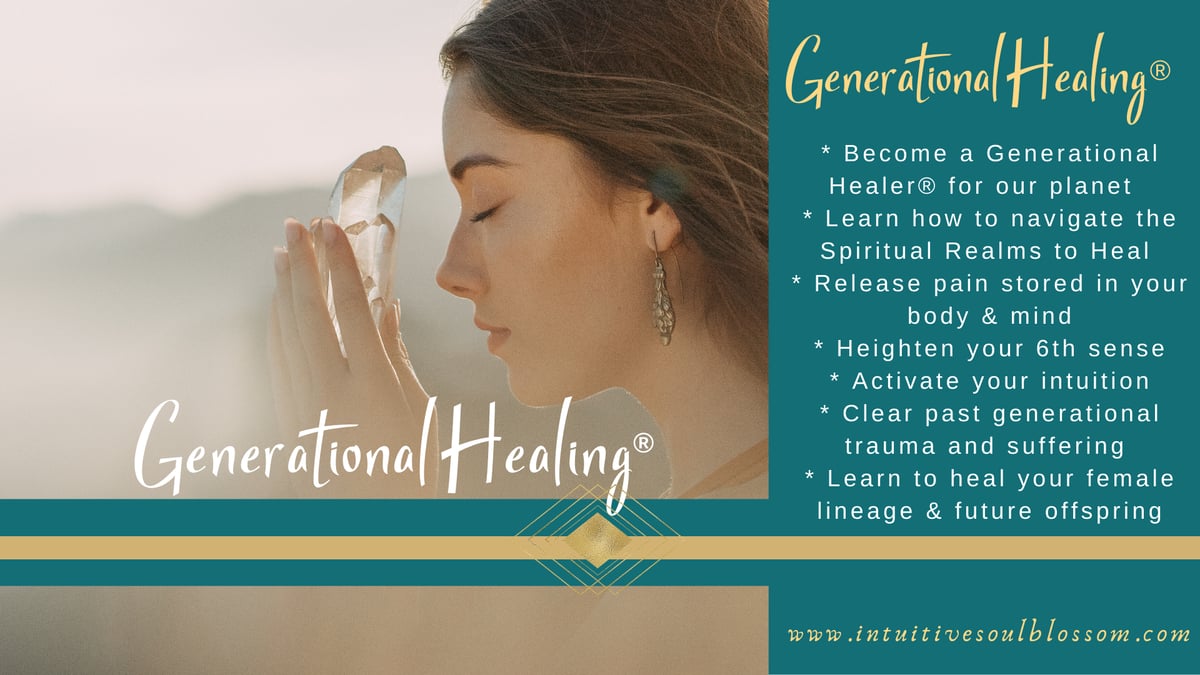
Beyond these foundational practices, some energy healing practitioners specialize in addressing specific types of trauma and energetic imprints. Generational healing work, for instance, focuses on releasing inherited patterns and ancestral wounds that influence current life experiences. This specialized approach recognizes that trauma can be passed down through family lines, affecting relationships, self-worth, and overall wellbeing across generations.
Women seeking to break cycles of inherited trauma often benefit from working with an energy healing practitioner who understands the complexity of ancestral patterns. These sessions can address emotional regulation, nervous system healing, and the release of generational patterns related to motherhood, relationships, and feminine power. Generational Healing® Sessions provide this type of specialized support, helping women heal at the lineage level and reclaim their authentic power.
Choosing the Right Energy Healing Practitioner
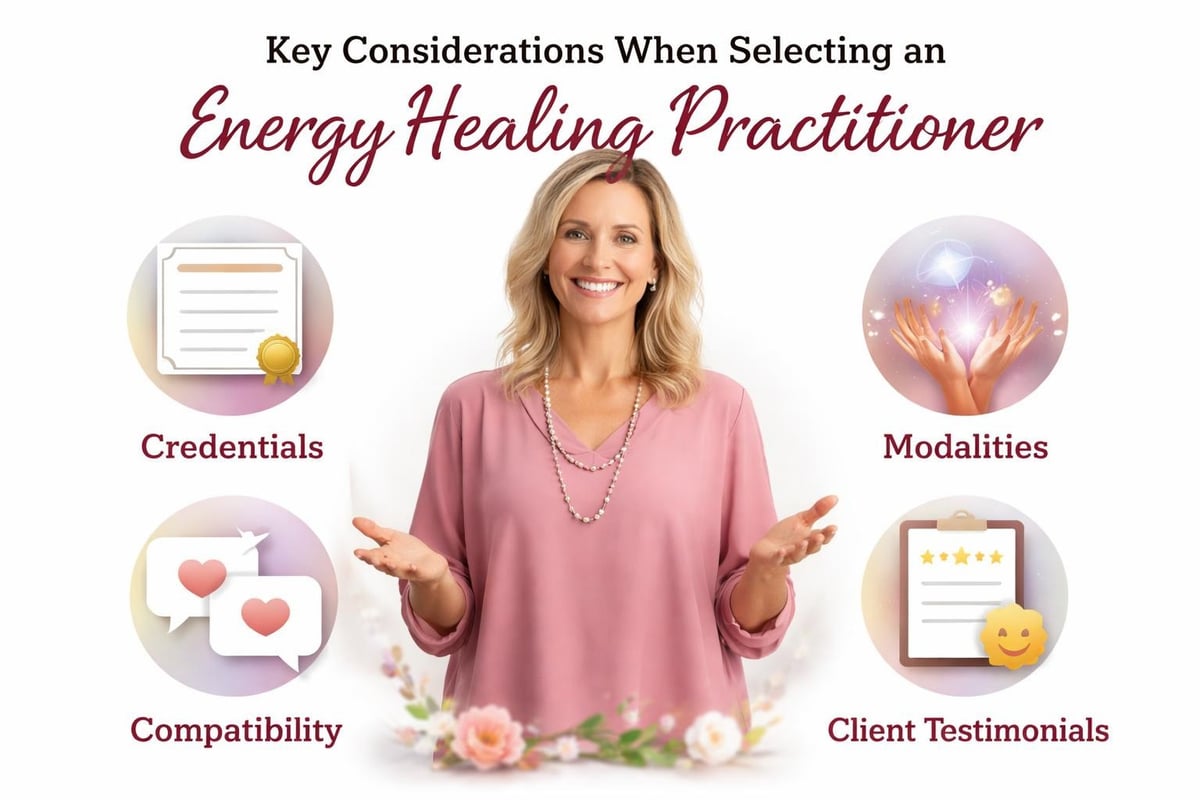
Selecting an energy healing practitioner requires careful consideration of multiple factors. The relationship between practitioner and client forms the foundation for effective healing work, making compatibility and trust essential elements.
Essential Qualifications and Credentials
When evaluating potential practitioners, consider these important aspects:
Training and certification in specific modalities from recognized institutions
Years of experience and breadth of practice with diverse client populations
Continuing education commitments and ongoing professional development
Professional memberships with organizations like The Energy Therapies Association
Client testimonials and documented outcomes from previous healing work
The Academy of Energy Healing provides valuable guidance on evaluating practitioner qualifications, emphasizing the importance of verifying credentials and understanding each practitioner's specific training background.
Questions to Ask During Your Search
Before committing to sessions with an energy healing practitioner, gather information through thoughtful inquiry:
What specific modalities do you practice, and how did you receive your training?
How do you approach client assessment and session planning?
What can I expect during and after a typical session?
How do you measure progress and determine treatment plans?
Do you offer both in-person and distance healing options?
These conversations reveal not only technical competence but also the practitioner's communication style and ability to create safe healing spaces.
The Energy Healing Session Experience
Understanding what happens during an energy healing session helps clients approach their first appointment with confidence and clarity. While specific practices vary by modality and practitioner, most sessions follow a similar general structure.
Initial Consultation and Assessment
The first meeting with an energy healing practitioner typically begins with a comprehensive intake process. During this phase, practitioners gather information about:
Physical health history including current symptoms and medical conditions
Emotional wellbeing and recent life stressors or transitions
Spiritual background and previous experience with energy work
Specific intentions for healing and desired outcomes
This assessment phase allows the practitioner to understand the client's unique energetic landscape and tailor the session accordingly. Many practitioners use intuitive abilities during this time to identify energetic blockages or areas requiring attention.
Active Healing Work
The healing portion of the session varies significantly based on the chosen modality. Some energy healing practitioners work directly on the physical body with light touch or hands hovering above specific areas. Others work entirely in the energetic field without physical contact.
Clients often report diverse sensations during active healing work, including:
Warmth or coolness in specific body areas
Tingling or vibrating sensations
Deep relaxation or meditative states
Emotional releases such as tears or laughter
Visual experiences or insights
These responses indicate that energy is moving and shifting within the system. An experienced energy healing practitioner creates space for whatever arises, supporting clients through the release process without judgment.
Benefits and Applications of Energy Healing
The applications of energy healing extend far beyond simple relaxation. Working with a skilled energy healing practitioner can address complex physical, emotional, and spiritual challenges that impact daily life and overall wellbeing.
Physical and Emotional Wellness
Research and clinical observations suggest that energy healing may support:
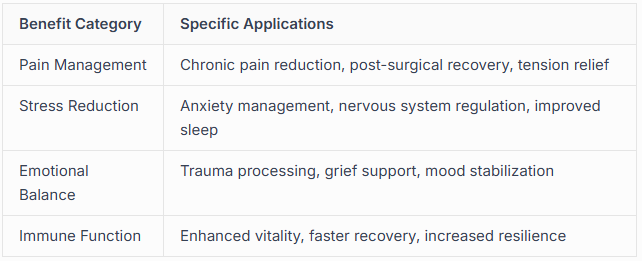
While energy healing should not replace conventional medical care, many clients find that working with an energy healing practitioner complements traditional treatments and enhances overall health outcomes.
Spiritual Growth and Transformation
Beyond physical and emotional benefits, energy healing opens pathways for profound spiritual development. An energy healing practitioner can facilitate:
Connection with intuition and inner wisdom
Release of limiting beliefs and outdated patterns
Alignment with life purpose and soul calling
Deepened spiritual awareness and consciousness
Healing of soul-level wounds and karmic patterns
For women on a spiritual journey, particularly those exploring motherhood, fertility, or ancestral healing, energy work provides essential support for navigating transitions and stepping into authentic power.
Finding Qualified Practitioners in Your Area
Locating a reputable energy healing practitioner requires utilizing multiple resources and conducting thorough research. Several professional organizations and directories maintain listings of certified practitioners who adhere to ethical standards and professional codes of conduct.
The American Holistic Health Association offers a practitioner referral directory that includes energy healing professionals alongside other holistic healthcare providers. This comprehensive resource allows you to search by location and specialty, making it easier to find practitioners who match your specific needs.
Online Directories and Professional Organizations
Professional membership organizations provide another avenue for finding qualified practitioners:
Energy Therapies Association maintains a global directory of certified members
Delphi University offers a holistic energy healer directory featuring certified practitioners
International Journal of Healing and Caring provides guidance on selecting practitioners based on key qualifications
When exploring these resources, pay attention to practitioners who specialize in your areas of interest, whether that's ancestral healing, fertility support, or general wellness enhancement.
Distance Healing Considerations
Modern energy healing practitioners increasingly offer distance or remote sessions, recognizing that energy transcends physical boundaries. This option expands access to specialized practitioners who may not be geographically close but possess the exact expertise you need.
Distance sessions typically occur via video conference, allowing for verbal communication and energetic connection simultaneously. Many clients report that distance healing is equally as powerful as in-person sessions, with the added convenience of receiving healing in the comfort of their own sacred space.
Training and Certification Pathways
For those interested in becoming an energy healing practitioner themselves, multiple training pathways exist within the field. The journey typically begins with foundational courses in a specific modality and progresses through increasingly advanced levels of practice and certification.
Educational Requirements
Unlike licensed healthcare professions, energy healing does not have standardized educational requirements across all modalities. However, reputable training programs share common elements:
Foundational coursework covering energy anatomy, chakra systems, and basic techniques
Hands-on practice with supervised client sessions and peer exchanges
Personal healing work addressing the practitioner's own energetic blocks
Ethical guidelines and professional boundary training
Continuing education to maintain certification and expand skills
Notable figures in energy healing, such as Barbara Brennan, have established comprehensive training schools that combine scientific understanding with intuitive development. These programs often span multiple years and require significant commitment to personal and professional growth.
Building a Sustainable Practice
Becoming an energy healing practitioner involves more than technical training. Successful practitioners develop business acumen, marketing skills, and the ability to create sustainable practices that serve both clients and themselves.
Key components of practice development include:
Establishing clear session protocols and pricing structures
Creating marketing materials that authentically represent your approach
Building referral networks with complementary healthcare providers
Maintaining professional boundaries while cultivating genuine client relationships
Continuing personal healing work to avoid burnout and energetic depletion
The most impactful energy healing practitioners view their work as a calling rather than simply a career, bringing dedication, integrity, and continuous learning to every client interaction.
Integration with Conventional Healthcare
The relationship between energy healing and conventional medicine continues to evolve as more healthcare providers recognize the value of integrative approaches. An energy healing practitioner often works alongside medical professionals to provide comprehensive care that addresses all aspects of wellbeing.
Collaborative Care Models
Progressive healthcare systems now incorporate energy healing within broader treatment plans:
Pre- and post-surgical support to reduce anxiety and enhance recovery
Cancer care integration providing emotional support and pain management
Mental health treatment complementing therapy and psychiatric care
Chronic illness management addressing the energetic components of disease
When an energy healing practitioner collaborates with conventional healthcare providers, clients benefit from the strengths of both paradigms. This integrated approach acknowledges that healing occurs on multiple levels simultaneously, requiring diverse interventions for optimal outcomes.
Communicating with Your Healthcare Team
If you're working with an energy healing practitioner while under conventional medical care, transparent communication with all providers ensures coordinated treatment. Share information about your energy healing sessions with your physician, and likewise, inform your energy healing practitioner about medical treatments, diagnoses, and medications.
This open dialogue prevents conflicts between approaches and allows each provider to adjust their care based on the whole picture of your healing journey. Most medical professionals appreciate when patients take an active role in their wellness through complementary modalities.
The Future of Energy Healing Practice
The field of energy healing continues to expand and evolve as practitioners integrate new insights, research findings, and ancient wisdom traditions. The modern energy healing practitioner operates at the intersection of timeless healing arts and contemporary understanding of consciousness, trauma, and human potential.
Emerging trends within the field include:
Trauma-informed energy work that recognizes the nervous system's role in healing
Epigenetics integration connecting ancestral healing with scientific understanding
Technology-assisted practice using biofeedback and other measurement tools
Specialized applications for fertility, pregnancy, and conscious parenting
Group healing experiences that harness collective energy for transformation
As more individuals seek holistic approaches to wellbeing, the role of the energy healing practitioner becomes increasingly vital in supporting personal and collective healing.
Ancestral and Lineage Healing
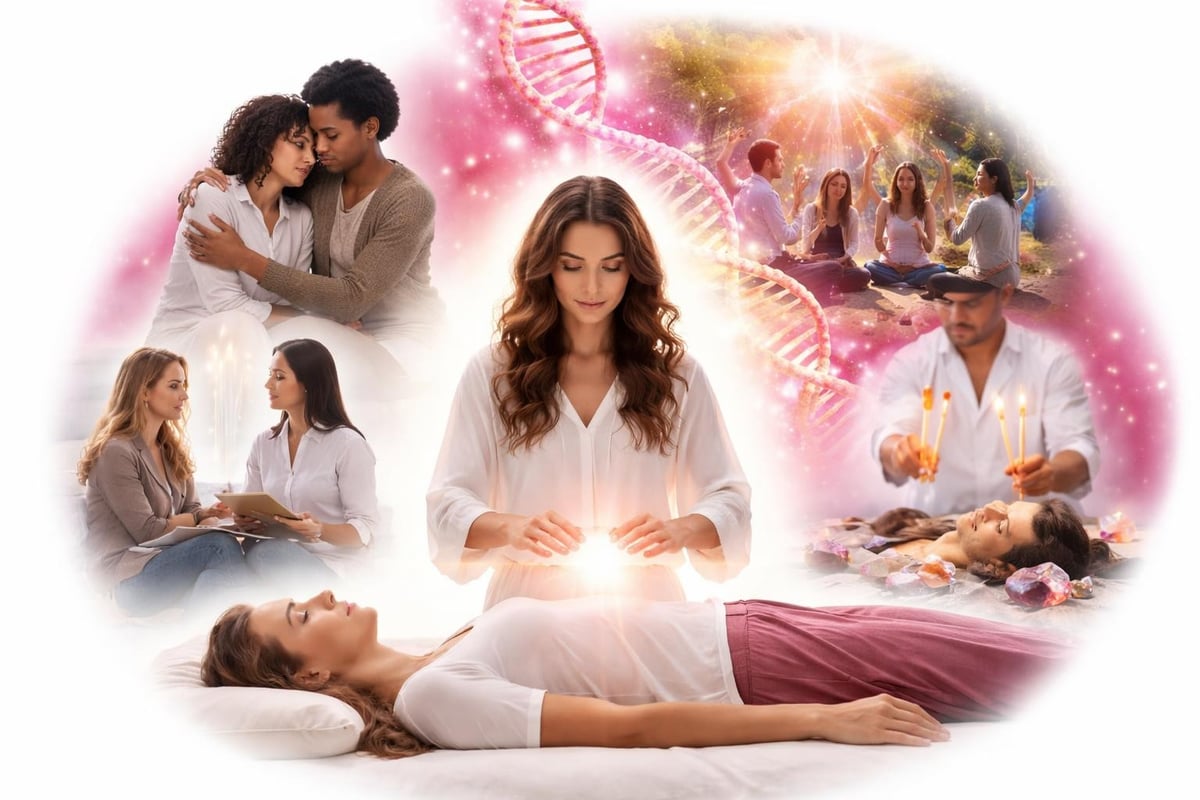
One of the most significant developments in energy healing involves working with generational and ancestral patterns. This specialized work recognizes that trauma, belief systems, and energetic imprints pass through family lines, affecting descendants in profound ways.
An energy healing practitioner trained in ancestral work helps clients identify inherited patterns related to relationships, money, health, and self-worth. By addressing these patterns at the energetic level, clients can break cycles that have affected their families for generations, creating new possibilities for themselves and future descendants.
This type of healing holds particular significance for women preparing for motherhood or raising children, as it allows them to clear their lineage before passing patterns to the next generation. The healing ripples both backward through the ancestral line and forward into future generations.
Ethical Considerations and Professional Standards
Professional energy healing practitioners adhere to ethical guidelines that protect both clients and practitioners. These standards ensure that healing work occurs within appropriate boundaries and respects client autonomy throughout the process.
Core Ethical Principles
Professional organizations establish codes of conduct that address:
Informed consent ensuring clients understand the nature and limitations of energy work
Confidentiality protecting private information shared during sessions
Scope of practice recognizing the boundaries between energy healing and licensed healthcare
Cultural sensitivity honoring diverse spiritual traditions and belief systems
Professional boundaries maintaining appropriate relationships with clients
An ethical energy healing practitioner clearly communicates what energy work can and cannot address, refers clients to other professionals when appropriate, and never claims to diagnose or cure medical conditions.
Client Empowerment
The most effective energy healing practitioners view their role as facilitators rather than fixers. They empower clients to participate actively in their healing journey, teaching self-care techniques and supporting the development of personal intuition.
This empowerment-based approach recognizes that true healing comes from within. The energy healing practitioner serves as a catalyst and guide, but the client's own commitment to growth and transformation ultimately determines outcomes.
The path to holistic wellness often begins with finding the right support for your unique healing journey. Whether you're seeking to release ancestral trauma, navigate motherhood with spiritual awareness, or simply restore balance to your energetic system, working with a qualified energy healing practitioner opens doorways to profound transformation.
Intuitive Soul Blossom LLC specializes in helping women heal generational patterns, connect with their intuitive wisdom, and reclaim their authentic feminine power through personalized energy healing sessions and spiritual guidance. If you're ready to explore the deeper dimensions of healing and step into your soul's purpose, discover how transformative energy work can support your journey.