
Energy Healer Training: Your Path to Sacred Healing Work
If you've felt the stirring call to step into healing work, you're likely recognizing something ancient and familiar within yourself. Perhaps you've experienced profound healing personally and now feel guided to hold space for others. Maybe you've sensed intuitive gifts awakening, or you're simply drawn toward work that honors the sacred feminine, generational wisdom, and soul-level transformation.
Energy healer training can feel both exciting and overwhelming as you stand at the threshold of this calling. Understanding the landscape of training options, what truly prepares you for this sacred work, and how to honor both your gifts and your boundaries will help you move forward with clarity and confidence.
Understanding What Energy Healer Training Really Involves
Energy healer training goes far beyond learning techniques or earning certificates. It's a transformative journey that asks you to develop your own energetic awareness, heal your personal wounds, and cultivate the presence and discernment needed to hold space for others' deep healing.
Most comprehensive programs include foundational education in how energy moves through the body, mind, and spirit. You'll learn about different energy healing modalities and how they address physical, emotional, and spiritual imbalances. The best training doesn't just teach you what to do, it helps you understand why certain approaches work and how to adapt them to each unique person you serve.
The Personal Healing Component
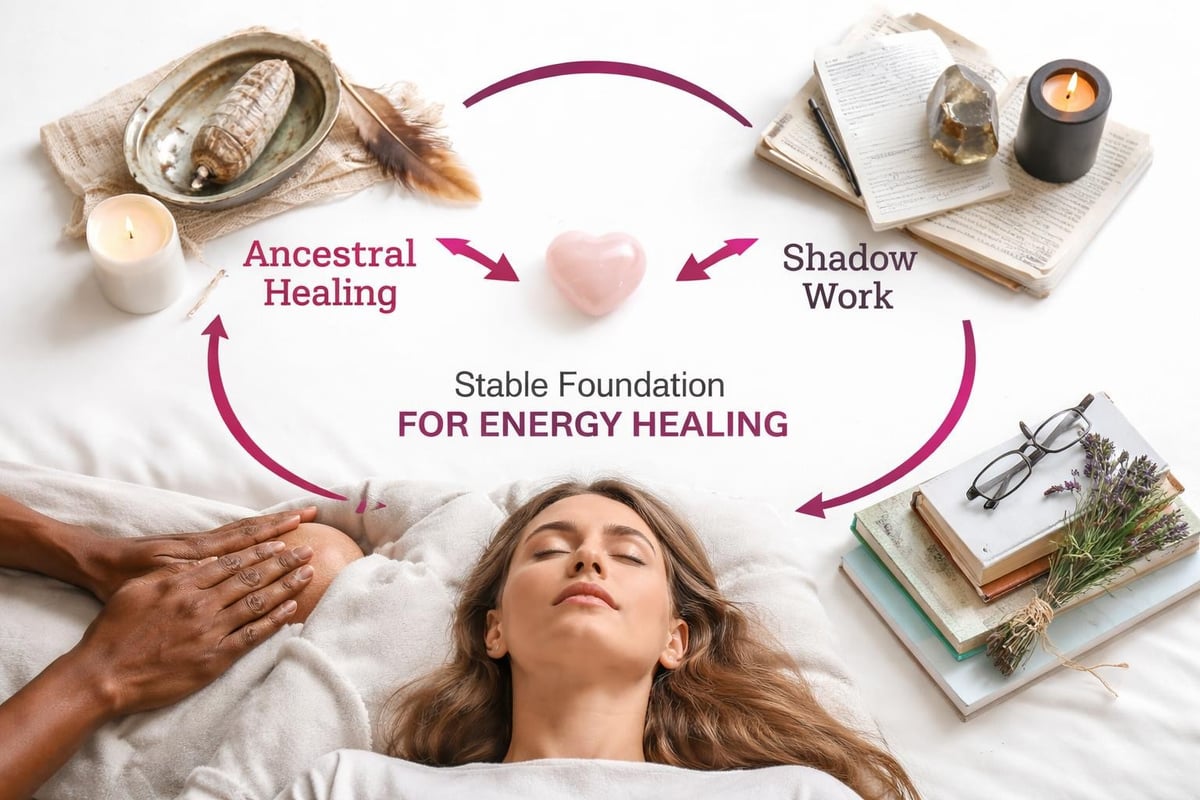
Before you can effectively guide others, you need to do your own healing work. This isn't optional. It's the foundation upon which everything else rests.
Quality energy healer training programs recognize this truth and incorporate personal healing as a core element. You'll likely work through:
Your own ancestral patterns and inherited trauma
Unresolved emotional wounds that could interfere with clear channel work
Boundary issues and people-pleasing tendencies
Shadow aspects and unconscious projections
This personal work protects both you and your future clients from enmeshment, projection, and the exhaustion that comes from unhealed healers trying to do sacred work.
Choosing an Energy Healer Training Program That Aligns With Your Path
Not all training programs are created equal, and what works beautifully for one person may not resonate with your unique gifts and calling.
When evaluating energy healer training programs, consider these essential questions:
Does the training address lineage and ancestral work? If you're called to work with generational patterns, mother wounds, or inherited trauma, you need training that goes beyond individual energy healing. Look for programs that understand how trauma moves through family systems and how to work with ancestral energies respectfully.
Is there mentorship and supervised practice? Learning from books or videos alone won't prepare you for the nuanced, complex work of holding space for someone's deep healing. You need real-time feedback, supervision, and support as you develop your skills.
What is the trainer's approach to ethics and boundaries? Energy work involves entering sacred, vulnerable space with clients. Your training should include clear guidance on consent, confidentiality, scope of practice, and how to maintain healthy professional boundaries.
Comparing Training Formats and Structures
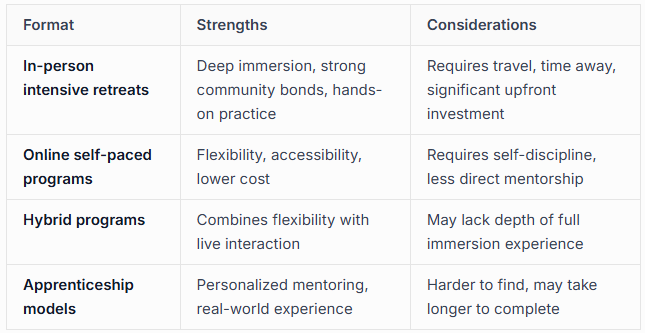
The Academy of Energy Healing offers accredited online certifications that provide structured learning paths, while programs like those at Blisstopia Retreats offer intensive in-person experiences. Both can be valuable depending on your learning style and life circumstances.
What You'll Actually Learn in Quality Training
Energy healer training that prepares you for professional practice includes several distinct layers of knowledge and skill development.
Core Energy Anatomy and Theory
You'll study how subtle energy moves through the human system, including:
Chakra systems and their physical, emotional, and spiritual correlations
Auric fields and energetic boundaries
Meridian pathways and how they relate to organ systems and emotional patterns
The relationship between energetic imbalances and physical symptoms
Understanding these foundational concepts helps you recognize what you're sensing and develop a framework for your intuitive perceptions.
Practical Healing Techniques
Hands-on skills form the practical foundation of your work. Most comprehensive programs teach multiple modalities so you can discover what resonates most deeply with your natural gifts.
Channeling and clearing techniques for moving stagnant energy
Grounding and protection practices for maintaining your own energy during sessions
Intuitive reading and assessment to understand what's present in a client's field
Integration support to help clients process and embody their healing experiences
Sacred space creation for holding containers of safety and transformation
The Home of the Awakening training emphasizes becoming an energy healer facilitator who can teach these practices to others, which deepens your own mastery.
Working With Generational and Ancestral Energy
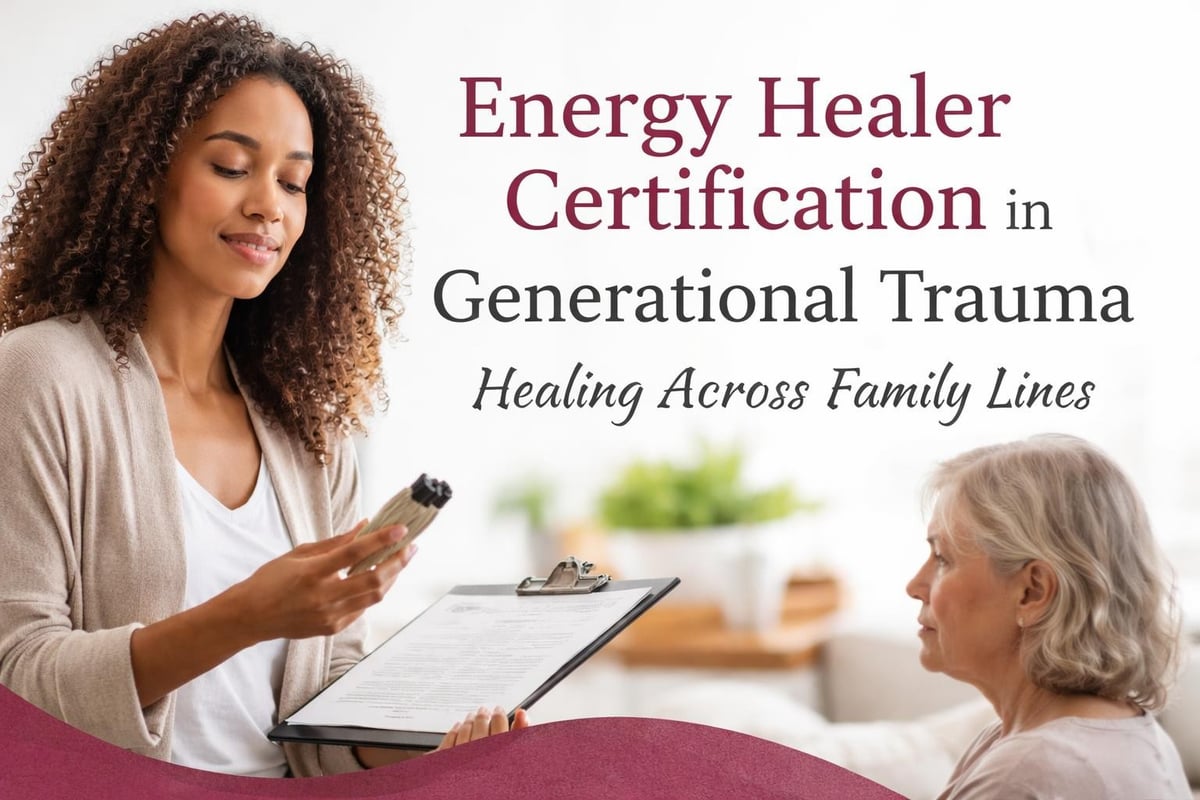
If you're drawn to working with mothers, women healing family patterns, or those breaking generational cycles, specialized training in ancestral healing becomes essential.
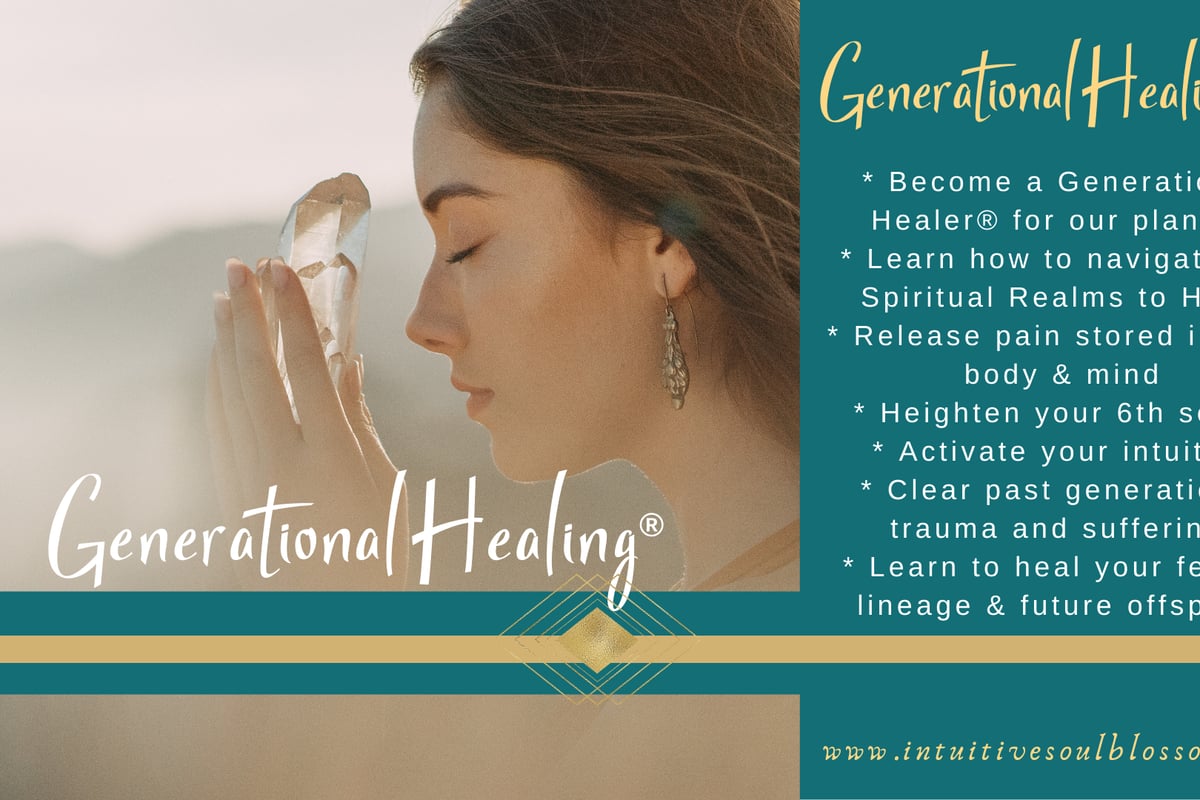
This work requires understanding how trauma stores itself in family lineages, how emotional patterns pass through maternal and paternal lines, and how to facilitate healing that ripples both backward to ancestors and forward to future generations. For practitioners specifically called to this work, immersive programs like the Generational Healing® Global Certification Retreat Training provide comprehensive methods for identifying and healing generational trauma, ancestral wounds, and inherited emotional patterns within family lineages, preparing healers to guide others through transformational lineage work.
Developing Your Intuitive Gifts Alongside Technical Skills
While techniques matter, your intuitive capacity is what truly makes you an effective healer. Energy healer training should nurture both aspects equally.
Many women come to this work already sensing they have gifts they haven't fully understood or trusted. You might have always "just known" things about people, felt others' emotions in your own body, or received information through dreams and visions.
Strengthening Your Natural Abilities
Quality training helps you:
Distinguish between your energy and others' so you don't take on what isn't yours
Trust your first impressions rather than second-guessing your intuition
Develop multiple channels of receiving information (clairaudience, clairsentience, claircognizance, clairvoyance)
Learn when to share what you receive and when to hold information privately
Exploring intuitive energy healing as both a personal practice and professional skill helps you recognize that your sensitivity is a gift, not a burden.
Building Discernment and Wisdom
Intuitive information flows constantly, but not all of it needs to be acted upon. Learning discernment protects you from spiritual bypassing, overstepping boundaries, or overwhelming clients with information they're not ready to receive.
Your training should help you develop the wisdom to know when to speak and when to stay silent, when to push gently and when to wait, when you're the right practitioner for someone and when to refer them elsewhere.
Preparing Yourself Emotionally and Spiritually for Training
The journey through energy healer training will likely bring up everything within you that needs healing. This is by design.
Expectations Versus Reality
Many people enter training expecting to primarily learn about others. Instead, you'll spend considerable time facing your own shadows, wounds, and resistance.
Common experiences during training include:
Unexpected emotional releases as your own suppressed feelings surface
Relationship changes as you shift energetically and some connections no longer align
Physical symptoms as your body adjusts to holding higher frequencies
Moments of doubt about whether you're "good enough" or truly called to this work
Deep fatigue as old energetic patterns clear from your system
These experiences aren't problems. They're part of your initiation into this sacred work. Energy healing for trauma often begins with our own trauma surfacing to be witnessed and released.
Creating Support Systems
Don't walk this path alone. Surround yourself with:
A personal therapist or counselor who understands spiritual development
Fellow students or practitioners who can relate to what you're experiencing
A mentor or supervisor who's further along the path
Grounding practices that keep you connected to your body and daily life
The spiritual communities and relationships you build during training often become lifelong sources of support and collaboration.
Addressing Common Concerns About Becoming an Energy Healer
Nearly everyone considering this path wrestles with similar questions and fears. You're not alone in your uncertainty.
"Am I Really Called to This or Am I Just Interested?"
There's a difference between curiosity and calling, though they often begin in the same place. A true calling persists. It whispers to you in quiet moments, shows up in synchronicities, and feels like remembering something you've always known rather than learning something new.
If you're drawn to healing work because it sounds prestigious or you want to be seen as special, that's ego speaking. If you're drawn because you genuinely care about alleviating suffering and feel a soul-level pull toward holding space for transformation, that's calling.
"What if I'm Not Intuitive Enough?"
Everyone has intuitive capacity. Our culture teaches us to ignore it, distrust it, and override it with logic. Energy healer training helps you reclaim and strengthen abilities you've always had.
You don't need to be a natural psychic medium to be an effective healer. You need to be willing to practice, trust what you sense, and continue developing your gifts over time.
"How Do I Know Which Modality or Lineage to Train In?"
Let resonance be your guide. Notice which approaches feel energetically aligned when you read about them or experience them personally. Pay attention to which teachers make you feel expanded rather than small.
Some practitioners train in multiple modalities over years of practice. Others go deep with one approach. Neither path is superior. Trust that the right training will find you when you're ready.
Building a Practice After Training
Completing energy healer training is just the beginning. Developing a sustainable, ethical practice requires ongoing learning and self-reflection.
Starting Where You Are
You don't need a perfect website, a full schedule of clients, or years of experience to begin practicing. You need:
Clear boundaries about what you offer and what's outside your scope
Ethical practices around confidentiality, consent, and professional conduct
Continued supervision or mentorship as you navigate complex client situations
Self-care routines that prevent burnout and compassion fatigue
Business basics like clear pricing, scheduling systems, and client agreements
Many new practitioners offer practice sessions at reduced rates while they build confidence and gather testimonials. This benefits both you and clients who might not otherwise access healing work.
Navigating the Business Side of Sacred Work
There's often discomfort around charging for healing services. Women especially struggle with valuing their gifts financially.
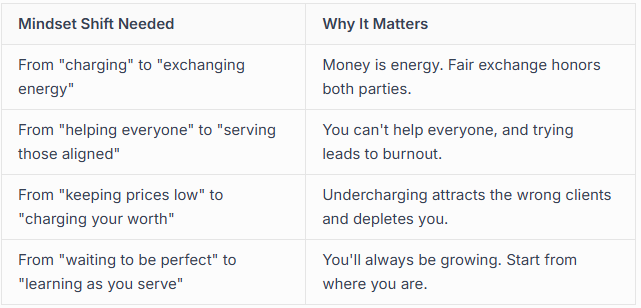
Your pricing should reflect your training, experience, and the value of transformation you facilitate. It should also sustain you financially so you can continue doing this work long-term.

Continuing Education and Deepening Your Practice
Energy healer training isn't a one-time event. The most effective practitioners commit to lifelong learning.
Specialized Advanced Training
As you practice, you'll likely feel drawn toward specific populations or issues. You might discover a calling to work with:
Women healing from birth trauma or reproductive challenges
Individuals processing grief and loss
People breaking generational patterns around money, relationships, or health
Those recovering from complex trauma or developmental wounds
Seeking specialized training in these areas deepens your capacity to serve. Programs focusing on generational healing or spirit baby work offer advanced skills for practitioners ready to specialize.
Personal Practice and Self-Work
Your own healing journey doesn't end when you begin serving others. In fact, it deepens.
The most skilled healers I know maintain regular practices of:
Their own therapy or healing sessions
Meditation, prayer, or spiritual practice
Somatic work that keeps them grounded in their bodies
Shadow work that addresses blind spots and projections
Supervision or peer consultation groups
This ongoing self-work isn't just good for you personally. It directly impacts the quality of healing you can facilitate for others.
What Makes Energy Healer Training Truly Transformative
The difference between training that changes your life and training that simply adds credentials to your resume comes down to integration.
Transformative programs help you:
Embody the healing you're learning to facilitate for others
Develop authentic presence rather than performing techniques
Trust your unique gifts instead of copying someone else's approach
Understand healing as a co-creative process rather than something you do to people
Stay humble and recognize when you don't know or need support
Programs like those at The Light of Healing Energy School emphasize nationally and internationally recognized qualifications while maintaining focus on genuine skill development. Similarly, Blossoming Into Light offers self-paced learning that honors each practitioner's unique journey.
The best energy healer training recognizes that you're not becoming something you're not. You're remembering and reclaiming something you've always been.
Honoring the Sacred Responsibility
When someone sits across from you in a healing session, they're trusting you with their most vulnerable self. They're inviting you into their pain, their confusion, their deepest wounds and highest hopes.
This is sacred work. It demands integrity, humility, and ongoing commitment to your own healing and growth. Energy healer training prepares you not just to use techniques, but to hold this sacred responsibility with reverence and care.
Questions for Reflection
As you consider your own path toward energy healer training, sit with these questions:
What aspects of healing work feel most aligned with my gifts and calling?
What personal healing do I need to prioritize before or during my training?
How do I want to feel while doing this work, and what boundaries will support that?
What populations or issues am I most drawn to serving, and why?
How will I sustain myself financially and energetically in this work long-term?
Energy healer training opens pathways to profound service, but it asks for your wholeness in return. At Intuitive Soul Blossom LLC, Sarah Christine Gill supports women on this journey through specialized sessions in generational healing, soul therapy, and spiritual guidance that help you heal your own lineage while preparing to hold space for others.
Whether you're just beginning to explore your calling or ready to deepen your existing practice, the path forward starts with honoring your own healing journey.