Energy and Healing Guide: Unlock Your Inner Balance
Imagine unlocking a new level of vitality in 2026 by understanding the power of energy and healing in your daily life. This comprehensive guide will introduce you to proven techniques that restore balance, enhance well-being, and support your journey toward holistic health. You will explore the science, discover practical steps, and learn about trusted modalities like Reiki and acupuncture. Start your path to inner harmony with expert insights, actionable advice, and the confidence to make lasting changes for your body, mind, and spirit.
Understanding Energy and Healing: Foundations for Inner Balance
Energy and healing are deeply rooted in the history of human wellness. Across ancient cultures, practices like Traditional Chinese Medicine, Ayurveda, and Reiki have focused on harnessing the body’s innate energy for health and transformation. These traditions teach that well-being depends on the free flow and balance of energy within us. Today, this wisdom is being rediscovered, allowing modern individuals to reconnect with their own healing potential.
The human energy field is a central concept in energy and healing. According to many systems, our bodies are surrounded and interwoven with subtle energies, often described as auras. Energy flows through pathways known as meridians in Chinese medicine and chakras in Indian tradition. When these systems are balanced, individuals experience greater vitality, emotional stability, and spiritual connection. Disruptions, however, can contribute to physical symptoms or emotional distress.
Scientific perspectives on energy and healing are evolving. Research on modalities such as acupuncture and Reiki shows limited but promising effects on reducing stress, pain, and improving quality of life. For example, clinical trials have reported positive shifts in mood and relaxation after Reiki sessions. While there is ongoing debate and not all claims are supported by mainstream science, interest continues to grow. Many experts agree that most energy healing techniques are non-invasive and considered safe, especially when used responsibly. Some common misconceptions suggest energy healing replaces medical care, but reputable practitioners emphasize its role as a complementary approach.
Integrating energy and healing with traditional medicine is increasingly recommended by major medical centers. This blend offers a holistic path, supporting individuals facing stress, anxiety, chronic pain, fatigue, or emotional trauma. For those seeking a deeper understanding of the spiritual side of these practices, the Spirituality and Energy Insights resource provides valuable context. Ultimately, energy healing invites each person to take an active role in their own health, fostering resilience and lasting balance.

The Mind-Body-Energy Connection
Unlocking the mind-body-energy connection is at the heart of true transformation. In 2026, more people are discovering how energy and healing practices can bridge the gap between physical health, emotional well-being, and spiritual growth. By understanding this dynamic relationship, you can create a foundation for lasting balance and resilience.
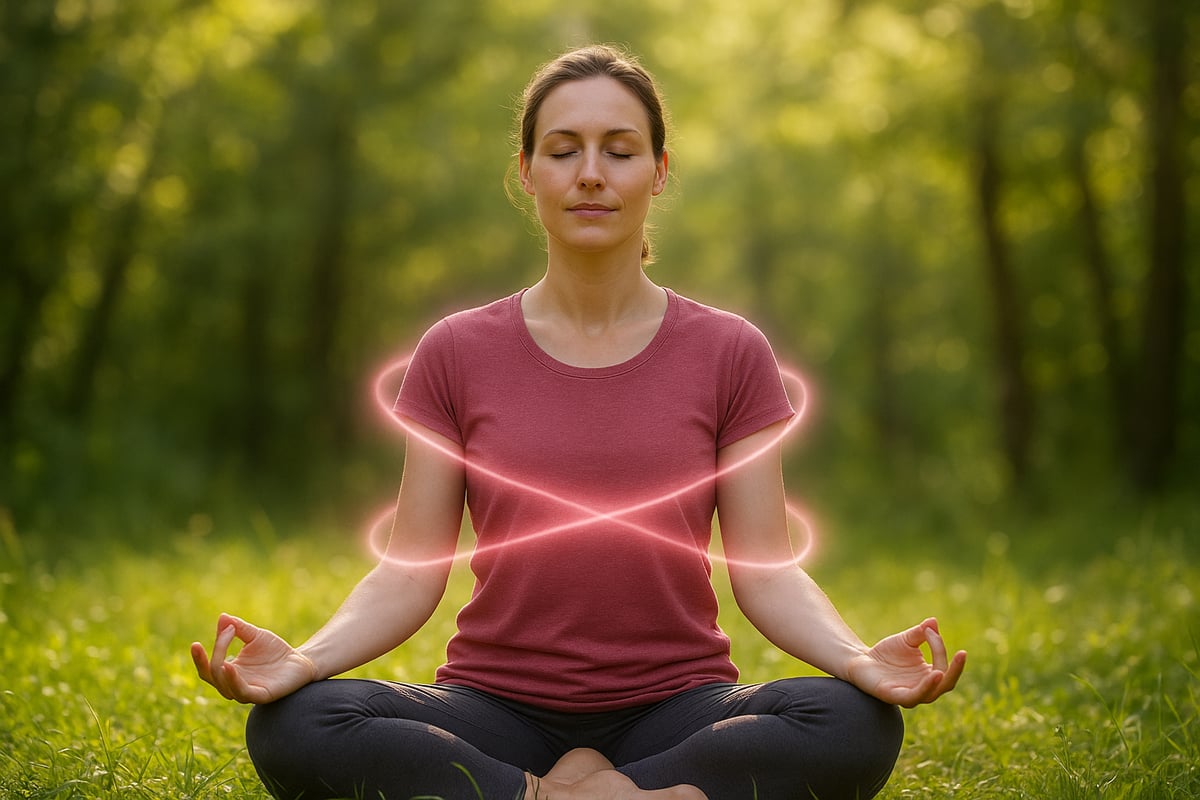
The Mind-Body Connection and Energy Flow
The mind-body connection describes how mental and emotional states directly influence physical health. In energy and healing traditions, this link is seen as a flow of life force or vital energy throughout the body. Practices like Traditional Chinese Medicine and Ayurveda have long recognized that thoughts and emotions can affect this flow, causing either harmony or imbalance.
When energy is balanced, you tend to feel calm, focused, and vibrant. Disruptions, however, can lead to symptoms such as tension, fatigue, or even illness. Many experts agree that restoring the mind-body connection is essential for effective energy and healing outcomes. For example, stress can create energetic blockages that, over time, manifest as chronic pain or emotional distress.
Understanding your body’s signals, such as tight muscles or racing thoughts, is the first step. Becoming aware of these cues empowers you to address imbalances before they become deeper health issues.
Impact of Thoughts, Emotions, and Beliefs
Your thoughts, emotions, and beliefs are powerful forces that shape your energy field. Negative patterns like worry or self-doubt can disrupt the natural flow, while positive beliefs foster resilience. In energy and healing, practitioners often guide clients to explore how past experiences or trauma may have created blocks in their system.
Stress and trauma are common culprits behind energy disruptions. For instance, unresolved grief may show up as chest tightness or shallow breathing. Over time, these patterns can contribute to both physical and emotional symptoms. Research supports this connection, showing that patients who engage in mind-body techniques report improved quality of life and reduced pain.
Somatic awareness—the ability to notice sensations and emotions in the body—plays a vital role. Mindfulness, meditation, and breathwork help you tune in and gently release stored tension. Techniques like Mind-Body Bridging and movement therapies further support this process, offering practical ways to clear energetic stagnation.
Practical Applications and Benefits
Integrating energy and healing techniques into daily routines brings measurable benefits. Meditation, yoga, and breathwork help regulate the nervous system, ease anxiety, and improve sleep. Many people find that regular practice increases emotional resilience and enhances their overall capacity for healing.
Patient stories often highlight the immediate effects of modalities like Reiki. Individuals describe sensations of warmth, peace, and deep relaxation during sessions. According to a Reiki therapy meta-analysis, clinical trials show Reiki may improve quality of life and reduce pain for various conditions.
Other mind-body approaches, such as journaling or expressive movement, help uncover emotional patterns that influence energy. Simple daily actions—like mindful breathing or gentle stretching—can make a significant impact on how you feel, both physically and emotionally. By embracing these practices, you support your journey toward inner balance.
The mind-body-energy connection is an empowering pathway to wellness. With consistent energy and healing practices, you can experience greater harmony, vitality, and peace.
Essential Energy Healing Modalities in 2026
Exploring the world of energy and healing in 2026 reveals a vibrant landscape of techniques designed to restore balance and foster well-being. These modalities draw on ancient wisdom and modern science, offering a range of approaches to support physical, emotional, and spiritual health.

Comparing Techniques and Approaches
Some modalities, like Reiki and pranic healing, use non-touch methods, focusing on channeling or cleansing energy fields. Others, such as acupuncture and reflexology, involve physical touch or stimulation of specific points on the body.
Guided sessions with trained practitioners are common for Reiki, acupuncture, and polarity therapy, while practices like qigong and EFT can be learned for self-care at home. Eastern-origin techniques often emphasize meridians and holistic balance, while Western modalities may focus on emotional release or biofield alignment.
How Modalities Restore Balance
Energy and healing techniques aim to clear blockages, enhance energy flow, and promote the body's natural healing abilities. For example:
Reiki involves a practitioner channeling universal energy through their hands, supporting deep relaxation and stress reduction.
Acupuncture uses fine needles placed on meridian points to stimulate the body's energy flow, often providing relief for chronic pain and tension.
Qigong combines gentle movement, breathwork, and meditation to harmonize energy and support overall vitality.
EFT (Emotional Freedom Techniques) uses tapping on acupressure points to release emotional distress and rewire limiting beliefs.
Many individuals report benefits like improved sleep, reduced anxiety, and enhanced mood after regular energy and healing sessions.
Clinical Data and Safety
Clinical trials have shown that acupuncture and Reiki may reduce pain, stress, and improve sleep quality. According to recent statistics, the use of complementary health approaches, including energy healing, has risen significantly for pain management and overall wellness. For more insights and current data, see the NIH analysis on complementary health approaches.
Most energy and healing practices are non-invasive and carry minimal risk when integrated with conventional medical care. Leading medical centers now recommend combining these modalities with traditional treatments, particularly for conditions like chronic pain, anxiety, and cancer support.
Real-Life Experiences and Applications
Energy and healing modalities are widely used in clinical and personal settings. For example, cancer care centers often offer Reiki and acupuncture to help manage pain, fatigue, and emotional distress. Individuals coping with stress or trauma may turn to EFT or therapeutic touch for relief and empowerment.
Patients frequently describe feelings of warmth, relaxation, and peace during sessions. Many share stories of restored balance and improved quality of life after consistent practice.
Energy and healing in 2026 continues to evolve, blending time-honored traditions with evidence-based methods to support holistic well-being.
Step-by-Step Guide: Unlocking Your Inner Balance
Unlocking your inner balance is a journey that brings together the wisdom of energy and healing practices with a structured, mindful approach. By following these steps, you can actively restore harmony in your body, mind, and spirit. This guide provides practical, science-backed strategies to help you experience the transformative power of energy and healing in daily life.

Step 1: Self-assessment—Identify Areas of Imbalance
Begin by tuning into your current state. Are you experiencing physical discomfort, emotional stress, or spiritual disconnection? Take a quiet moment to scan your body and mind. Notice any tension, fatigue, or recurring thoughts. Use a journal to record what you discover. Self-assessment is the foundation of energy and healing, helping you clarify which aspects of your well-being need attention. This honest reflection sets the stage for meaningful change.
Step 2: Set Clear Intentions for Healing and Growth
Intentions are powerful catalysts in the energy and healing process. Define what you hope to achieve: stress relief, emotional balance, pain reduction, or personal growth. Write your intentions as positive, present-tense statements, such as “I am restoring my inner harmony.” Setting clear intentions focuses your energy, aligns your actions, and increases your commitment to the process. Revisit your intentions daily to reinforce your path.
Step 3: Start with Foundational Practices—Mindfulness, Breathwork, and Grounding
Integrate simple, foundational energy and healing techniques into your routine. Practice daily mindfulness by focusing on your breath or sensations in your body. Try breathwork exercises, such as slow, deep breathing, to calm your nervous system and support energy flow. Grounding practices, like walking barefoot on grass or mindful stretching, help stabilize your energy. These techniques are accessible, require little time, and provide immediate benefits.
Step 4: Explore Energy Healing Modalities
Once you feel comfortable with foundational practices, explore specific energy and healing modalities. Reiki, qigong, Emotional Freedom Technique (EFT), and acupuncture are popular options, each offering unique benefits. You might start with a guided Reiki session or a beginner qigong video. Research modalities that resonate with your needs. Many people notice reduced pain, improved sleep, and greater vitality after consistent engagement with these practices.
Step 5: Track Progress—Journal Changes in Mood, Energy, and Well-being
Document your journey to better understand how energy and healing are influencing your life. Keep a simple journal, noting shifts in mood, physical sensations, and overall vitality. Use rating scales to track pain or stress levels over time. Regular tracking reveals patterns, highlights progress, and identifies areas needing more attention. This reflective step motivates you to stay consistent and celebrate small victories along the way.
Step 6: Adjust and Refine Your Approach Based on Results
Healing is not linear. As you gather insights from your journal and self-assessment, adjust your practices to better serve your evolving needs. If one method does not resonate, try another. Modify the frequency or duration of your energy and healing activities. Seek feedback from trusted practitioners or support groups. Flexibility ensures your approach remains effective, personalized, and sustainable.
Step 7: Seek Ongoing Support—Join Groups and Work with Certified Practitioners
Sustaining progress in energy and healing often requires community and expert guidance. Join local or online groups focused on meditation, Reiki, or holistic wellness. Connect with certified practitioners for deeper healing sessions. Ongoing support nurtures accountability, provides new insights, and creates shared motivation. For continued inspiration and resources, explore Personal Empowerment Articles to deepen your commitment to self-healing.
Unlocking your inner balance with energy and healing is a lifelong journey. By following these steps, you empower yourself to cultivate resilience, restore harmony, and experience lasting transformation.
Nature, Elements, and Energy: Connecting with the World Around You
Tuning into the natural world is one of the most profound ways to enhance your energy and healing journey. Nature serves as both a source and catalyst for restoring inner balance, offering tools that have been embraced by cultures worldwide for centuries.
The Five Elements and Their Role in Energy and Healing
Many ancient traditions recognize five core elements—earth, water, fire, air, and space—as the building blocks of life and healing. In Ayurveda and Traditional Chinese Medicine, these elements are linked to bodily systems, emotions, and even personality traits. Each element plays a unique role in the flow of energy and healing.
Earth represents stability and grounding. Walking barefoot on grass or soil, known as earthing, can rebalance your body’s energy and healing processes. Studies show that connecting with earth may improve sleep and reduce pain.
Water embodies fluidity and renewal. Immersing yourself in water, whether through swimming or mindful bathing, soothes the mind and rejuvenates the spirit.
Fire symbolizes transformation and vitality. Sunlight exposure boosts vitamin D, supports immune function, and energizes the body.
Air is linked to breath and mental clarity. Mindful breathing exercises help regulate mood and foster emotional balance.
Space offers expansion and calm, reminding us to pause and embrace stillness in our routines.
These elements are not just symbolic. Engaging with them directly impacts your energy and healing. Nature therapy, such as forest bathing, has been shown to lower blood pressure, reduce anxiety, and prevent heart disease. Many indigenous practices and Eastern philosophies emphasize honoring these elements to sustain well-being.
Practical Ways to Connect with Nature’s Healing Energy
Integrating natural elements into your daily life can significantly enhance your energy and healing. Small rituals, like stepping outside each morning to breathe fresh air or feeling sunlight on your skin, nurture both body and mind.
Grounding: Walk barefoot on natural surfaces, garden with your hands, or spend time sitting under a tree.
Water rituals: Practice mindful handwashing, enjoy a calming bath, or listen to the sound of rain or flowing water.
Sunlight and fire: Start your day with gentle sun exposure, light a candle during meditation, or enjoy the warmth of a campfire.
Breathwork: Incorporate deep, conscious breathing outdoors to harmonize your internal energy and healing.
Space and stillness: Set aside moments for silence, stargazing, or meditating in wide-open spaces.
Cultural traditions around the world offer rich perspectives on connecting with nature for energy and healing. Indigenous communities often use elemental rituals to restore harmony, while modern wellness trends like outdoor meditation and sensory mindfulness draw from these timeless practices. If you sense that deep-rooted or ancestral patterns affect your well-being, exploring Generational Healing Sessions Overview can complement your connection to nature and support the release of inherited energy blocks.
Bringing awareness to the elements around you is a simple yet transformative way to foster energy and healing. By making nature an ally, you invite balance, resilience, and renewal into every aspect of your life.
Frequently Asked Questions about Energy and Healing
Curious about energy and healing? This FAQ addresses the most common questions, so you can make informed choices about your holistic well-being journey.
What is energy and healing, and how does it work?
Energy and healing refers to a range of holistic practices aimed at balancing the body's subtle energy systems. These methods, such as Reiki, acupuncture, and qigong, are rooted in ancient traditions. Practitioners believe that disruptions or blockages in energy flow can manifest as physical, emotional, or spiritual imbalances. Techniques are used to restore harmony, often resulting in relaxation, stress relief, and emotional clarity.
Is energy and healing safe, and are there any risks?
Most energy and healing practices are considered safe for the majority of people. They are generally non-invasive and gentle, with minimal side effects reported. According to leading wellness organizations, risks are rare and usually limited to minor discomfort or emotional release during a session. However, it is important to consult your healthcare provider before starting any new therapy, especially if you have underlying health conditions.
Can energy and healing be used alongside traditional medicine?
Yes, energy and healing techniques are often integrated with conventional medical care. Many hospitals and clinics now offer therapies like acupuncture and Reiki as complementary treatments. Experts recommend maintaining communication with your primary care team to ensure a coordinated approach to your health. Energy and healing should not replace medical treatment for serious conditions but can enhance overall well-being.
What conditions benefit most from energy and healing?
Common reasons people seek energy and healing include stress, anxiety, chronic pain, fatigue, and emotional trauma. Some individuals also use these practices for general wellness and prevention. Clinical experience and early research suggest positive effects on quality of life, especially when combined with other self-care strategies.
How many sessions are needed to see results?
The number of sessions varies depending on your goals and the modality used. Some people experience noticeable benefits after just one or two sessions, while others require ongoing support for lasting change. Practitioners often recommend starting with a few sessions, then evaluating progress to determine the best plan for continued energy and healing.
Are there any side effects or contraindications?
Most people tolerate energy and healing therapies very well. Occasionally, mild side effects such as temporary dizziness, emotional release, or fatigue may occur. These are typically short-lived and resolve quickly. Contraindications are rare, but always inform your practitioner about any health concerns or medications to ensure safe, personalized care.
How do I find a qualified energy healer?
Look for certified practitioners with reputable training and experience in your chosen modality. Ask about credentials, approach, and client testimonials. Many professional organizations maintain directories of qualified providers. It is wise to schedule a consultation to discuss your needs and ensure a good fit for your energy and healing journey.
What scientific evidence supports energy and healing?
While research is still evolving, studies show that therapies like acupuncture and Reiki may reduce stress, pain, and anxiety. For example, a Reiki scientific evidence overview summarizes findings on stress reduction and physiological benefits. Additionally, new guidelines for biofield therapies clinical trial guidelines are helping to improve research quality in this field. Most experts agree that more large-scale studies are needed to fully understand the mechanisms and outcomes of energy and healing.
What about the placebo effect and skepticism?
Skepticism is natural, given that energy and healing is not fully explained by current science. Some benefits may be linked to the placebo effect, which itself can be powerful in promoting relaxation and well-being. Many practitioners and patients report genuine improvements, suggesting a complex interplay between mind, body, and belief.
What advice do you have for beginners exploring energy and healing?
Start by learning about different modalities and choosing one that resonates with your needs. Keep an open mind, listen to your body, and track your experiences in a journal. Always consult your healthcare provider when integrating new practices. Energy and healing can be a valuable part of a holistic approach to health, especially when combined with lifestyle changes and professional support.
As you explore the transformative power of energy healing and the importance of restoring inner balance, remember that true healing often begins with understanding and releasing what has been carried across generations. If you feel called to break free from inherited patterns and open new doors to purpose, fertility, and abundance, I invite you to take the next step on your journey.
I help spiritually curious women and mothers heal ancestral karmic trauma patterns so new pathways can open for purpose, fertility, and abundance. Learn more and get started.