7 Transformative Ways to Experience a Spiritual Healing in 2026
Across the globe, millions are embracing a spiritual healing journey as interest in holistic well-being surges. In fact, studies show that more people are turning to ancient wisdom and modern breakthroughs to find balance and purpose in 2026. This article reveals seven transformative ways to experience a spiritual healing, blending mindfulness, energy work, community rituals, and innovative technology. Whether you seek relief from stress, a deeper sense of connection, or practical tools for daily life, you will discover actionable steps and real-world examples. Join the movement and unlock new pathways to wholeness.
The Evolving Landscape of Spiritual Healing in 2026
The world of a spiritual healing is rapidly transforming as we enter 2026. From ancient roots to modern research, people are seeking new ways to restore balance and meaning in their lives. Let us explore how definitions, importance, current trends, and common misconceptions shape this evolving landscape.
The Modern Definition of Spiritual Healing
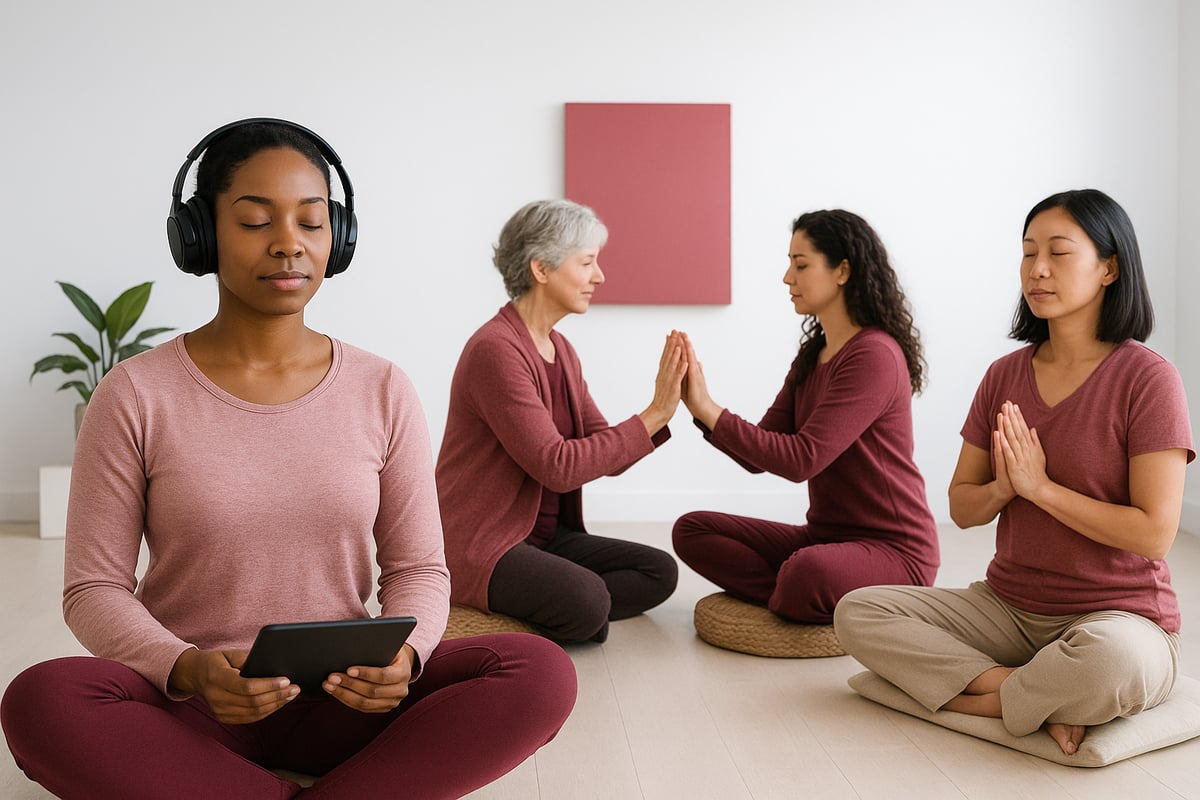
In 2026, a spiritual healing is recognized as a comprehensive process, nurturing mind, body, and spirit. This holistic view transcends religious boundaries, welcoming individuals from all faiths and even secular backgrounds.
Inclusivity is at the heart of modern spiritual healing. Practices like mindfulness, meditation, and energy work are accessible to anyone, regardless of belief system. Online communities and global connectivity have made sharing wisdom easier than ever.
Science now plays a crucial role in validating a spiritual healing. Over 3,000 studies, highlighted by Spirituality and Healing, show measurable benefits for health and well-being. Technology, such as meditation apps and virtual support groups, makes transformative practices widely available.
Why Spiritual Healing Is More Important Than Ever
Today’s society faces unprecedented levels of stress, anxiety, and chronic illness. Many people feel disconnected from their sense of purpose, which can lead to persistent suffering. A spiritual healing offers a meaningful response to these challenges.
According to recent data, 71% of Americans believe in God or a universal spirit, reflecting a widespread longing for deeper connection. As disparities in health and opportunity grow, spiritual healing practices help bridge the gap, fostering resilience and hope.
Personal stories of transformation are everywhere. Individuals who embrace a spiritual healing often report greater clarity, peace, and renewed enthusiasm for life.
Trends Shaping Spiritual Healing in 2026
Several key trends are redefining a spiritual healing today. Mainstream healthcare increasingly integrates spiritual care, from mindfulness programs in hospitals to chaplaincy services.
Research from institutions like Harvard and MIT explores how spirituality influences gene expression and reduces stress. There is a growing movement to blend traditional wisdom with modern therapies, creating trauma-informed and culturally sensitive healing approaches.
Community-based programs and epigenetic studies reveal that a spiritual healing can impact not only individuals but also future generations. These innovations bring hope to people seeking comprehensive well-being.
Common Misconceptions and Cautions
It is important to recognize that not every approach to a spiritual healing is equally effective or safe. Some methods lack evidence or may foster dependence on practitioners rather than personal growth.
Risks like spiritual bypassing—using spiritual ideas to avoid facing real issues—or manipulation by unqualified teachers are real concerns. The so-called dark side of spiritual healing can hinder genuine progress.
To ensure an authentic a spiritual healing experience, seek out credible practitioners, educate yourself, and remain critical of extravagant claims. Trust your intuition, do your research, and prioritize practices that empower rather than control.
7 Transformative Ways to Experience a Spiritual Healing in 2026
Exploring a spiritual healing journey in 2026 means tapping into a diverse, dynamic toolkit. Each transformative approach offers unique pathways to wholeness, blending time-honored traditions with modern research and innovation. Whether you are new to a spiritual healing practice or seeking to deepen your experience, the following seven methods offer practical, accessible steps for real change.
1. Mindfulness and Meditation for Deep Inner Healing
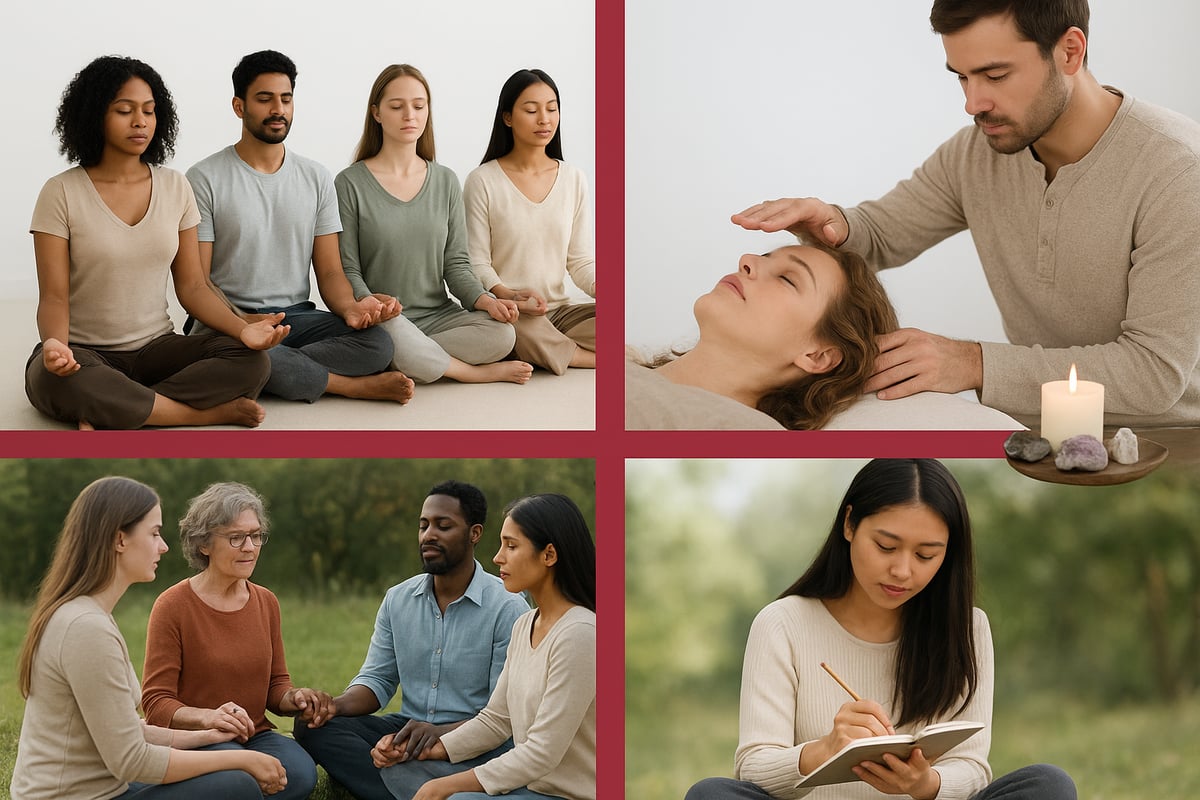
Mindfulness and meditation remain foundational for a spiritual healing experience. These practices encourage you to cultivate awareness, presence, and compassion within daily life. The science is compelling: regular mindfulness can decrease stress, support immune function, and even alter gene expression linked to inflammation.
There are many styles of meditation to explore. Breathwork focuses on conscious breathing to calm the mind. Guided visualization uses imagery to promote healing and relaxation. Loving-kindness meditation fosters compassion for yourself and others. Body scan techniques help you reconnect with physical sensations, uncovering areas of tension or emotional blockages.
To start a spiritual healing journey with mindfulness, set aside a few minutes each day. Choose a quiet space, sit comfortably, and focus on your breath. Many find digital tools helpful—mindfulness and meditation apps offer guided sessions, reminders, and community support. Consider joining online or local meditation groups for shared energy and accountability.
Case studies show the power of these practices. For example, a cancer patient at Dana-Farber Cancer Institute reported improved quality of life and emotional resilience after integrating mindfulness into treatment. Combining meditation with therapy or medical care can enhance healing outcomes.
Resources for 2026 abound: look for certified instructors, reputable apps, and virtual retreats. Remember, a spiritual healing practice is personal—experiment with techniques until you discover what resonates most deeply.
2. Energy Healing Modalities: Reiki, Chakra Balancing, and Beyond
Energy healing taps into the body’s subtle energy systems to promote balance and well-being. Rooted in traditions from Japan, India, and beyond, these modalities are gaining scientific and popular recognition as vital components of a spiritual healing process.
Popular energy healing approaches include Reiki, where practitioners channel universal energy through their hands, and chakra balancing, which focuses on harmonizing the body’s energy centers. Crystal therapy utilizes minerals believed to store and transmit healing vibrations. Sound healing employs frequencies from singing bowls, tuning forks, or the human voice to shift energetic blockages.
Scientific studies and countless personal stories point to benefits such as reduced pain, emotional release, and increased vitality. A typical session might involve gentle touch, guided visualization, or simply relaxing in a calming environment. Remote energy healing is now common, using technology to connect practitioners and clients worldwide.
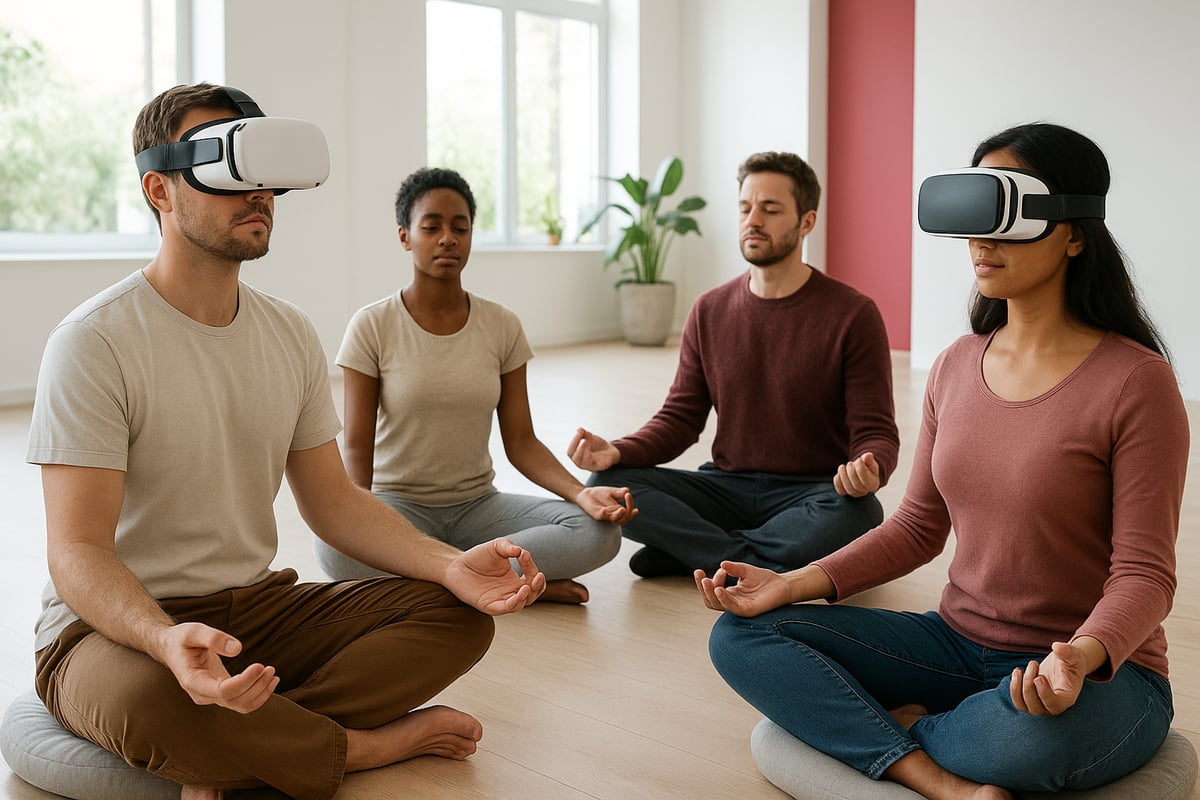
Cutting-edge trends for 2026 include AI-guided energy sessions and virtual reality healing environments, making a spiritual healing session accessible from home. Testimonials highlight individuals overcoming trauma, stress, and burnout through regular energy work.
To ensure safety, seek certified practitioners and trust your intuition. Watch for red flags such as exaggerated claims or pressure to commit to expensive packages. A spiritual healing experience with energy work should always feel empowering, never coercive.
3. Ancestral and Generational Healing Practices
Ancestral and generational healing recognizes that trauma and patterns can be passed down through families, affecting present-day well-being. Modern research in epigenetics, including studies from Harvard T.H. Chan School of Public Health, shows that experiences of previous generations can influence gene expression and health outcomes.
Practices in this area include family constellations, where group members represent family roles to reveal hidden dynamics. Generational healing rituals often involve honoring ancestors, releasing inherited burdens, and restoring balance. Guided lineage meditations help individuals connect with family stories and find healing insight.
To begin a spiritual healing process focused on ancestry, start with reflective journaling about your family history. Consider joining group workshops or booking guided sessions with experienced facilitators. Indigenous and global cultures offer rich perspectives, emphasizing respect, gratitude, and community involvement.
A powerful example is a woman who broke cycles of inherited pain through consistent ancestral work, experiencing newfound freedom and purpose. For those interested in deeper insight, Healing generational trauma insights offers practical guidance on addressing emotional wounds rooted in family history.
Caution is crucial. If confronting deep trauma, seek professional support. A spiritual healing journey in this area can be profound, but it must be approached with care and respect for personal boundaries.
4. Community Rituals and Group Healing Circles
Healing within community is an ancient practice that has found renewed relevance in 2026. Participating in group rituals and healing circles can amplify the effects of a spiritual healing journey, offering support, connection, and shared wisdom.
Common group modalities include sharing circles, where participants speak from the heart in a safe, non-judgmental space. Communal meditation and sacred ceremonies unite people across backgrounds and beliefs. Research, such as the Coping with Cancer Study, links group support to improved coping and quality of life.
To join or create a spiritual healing circle, explore online platforms, attend local gatherings, or participate in global healing days. Women’s circles, interfaith rituals, and community ceremonies offer diverse entry points. The benefits include emotional safety, shared experiences, and the collective power of intention.
Best practices involve establishing clear agreements, respecting confidentiality, and ensuring inclusivity. A spiritual healing group should foster trust and genuine connection, empowering each member to contribute and receive support.
5. Nature Immersion and Ecotherapy
Reconnecting with nature is a timeless pathway to a spiritual healing experience. Nature immersion practices harness the earth’s restorative energy, helping individuals ground themselves, release stress, and rediscover interconnectedness.
Forest bathing, or mindful walking in wooded areas, is a proven way to lower stress hormones and boost mood. Wilderness retreats provide extended time for reflection and renewal. Barefoot grounding involves direct contact with the earth, which some studies suggest can reduce inflammation and promote emotional balance. Eco-meditation uses natural settings to deepen mindfulness and spiritual insight.
Scientific data confirms that regular contact with nature supports immune function and overall well-being. Urban dwellers can bring nature into daily life by tending houseplants, visiting parks, or practicing mindful observation of natural elements. Rural residents might explore gardening, hiking, or outdoor rituals.
Ecotherapy programs for trauma survivors illustrate the profound impact of nature-based healing. Nature teaches lessons in impermanence, resilience, and connection—a spiritual healing journey that unfolds in partnership with the living world.
Accessibility is essential. Adapt practices to your abilities and environment. Even brief moments with nature can nurture a spiritual healing process and foster lasting transformation.
6. Integrating Spiritual Healing with Modern Healthcare
The integration of spiritual healing with mainstream healthcare is rapidly expanding in 2026. Hospitals and clinics increasingly recognize the value of addressing mind, body, and spirit for comprehensive well-being.
Collaborative care models bring together medical professionals and spiritual healers, such as chaplains, mindfulness coaches, and energy practitioners. Many institutions now offer programs in meditation, Reiki, and spiritual counseling alongside conventional treatments.
Benefits of this holistic approach include improved patient outcomes, enhanced emotional support, and greater patient empowerment. Studies indicate that individuals receiving spiritual support during illness report higher quality of life and satisfaction with care.
To advocate for a spiritual healing component in your healthcare journey, communicate openly with providers and request integrative services. Research practitioner credentials, understand insurance coverage, and prioritize ethical, evidence-based care.
Navigating this landscape requires discernment. A spiritual healing professional should work collaboratively, respect your beliefs, and support your autonomy. This partnership can transform the healing process, fostering resilience and hope.
7. Personal Empowerment Through Self-Guided Spiritual Practices
Personal empowerment is at the heart of a spiritual healing journey. Self-guided practices enable you to take an active role in your growth, cultivating resilience, creativity, and self-trust.
Journaling is a powerful tool for self-reflection and emotional release. Creative expression—through art, music, or movement—opens new pathways to healing. Affirmations and gratitude practices shift mindset and invite positive change. Dreamwork helps uncover subconscious insights, while daily rituals provide structure and meaning.
Blending these modalities with professional support creates a flexible, personalized toolkit. Many find transformation in small, consistent actions: a morning meditation, a gratitude list, or a nightly reflection. Stories abound of individuals who have rebuilt their lives through daily spiritual rituals, finding strength and clarity in the process.
To stay motivated, set achievable goals, track your progress, and celebrate milestones. Online courses, books, and supportive communities offer resources for deepening a spiritual healing practice. Remember, building self-trust is essential—honor your intuition and embrace the journey at your own pace.
Choosing the Right Path: How to Personalize Your Spiritual Healing Journey
Finding the right approach to a spiritual healing journey can feel daunting with so many paths available in 2026. Personalizing your journey is essential for lasting transformation and true alignment with your needs. Instead of following a one-size-fits-all method, consider your unique circumstances, values, and goals as you embark on a spiritual healing experience.
Self-Assessment: Understanding Your Needs
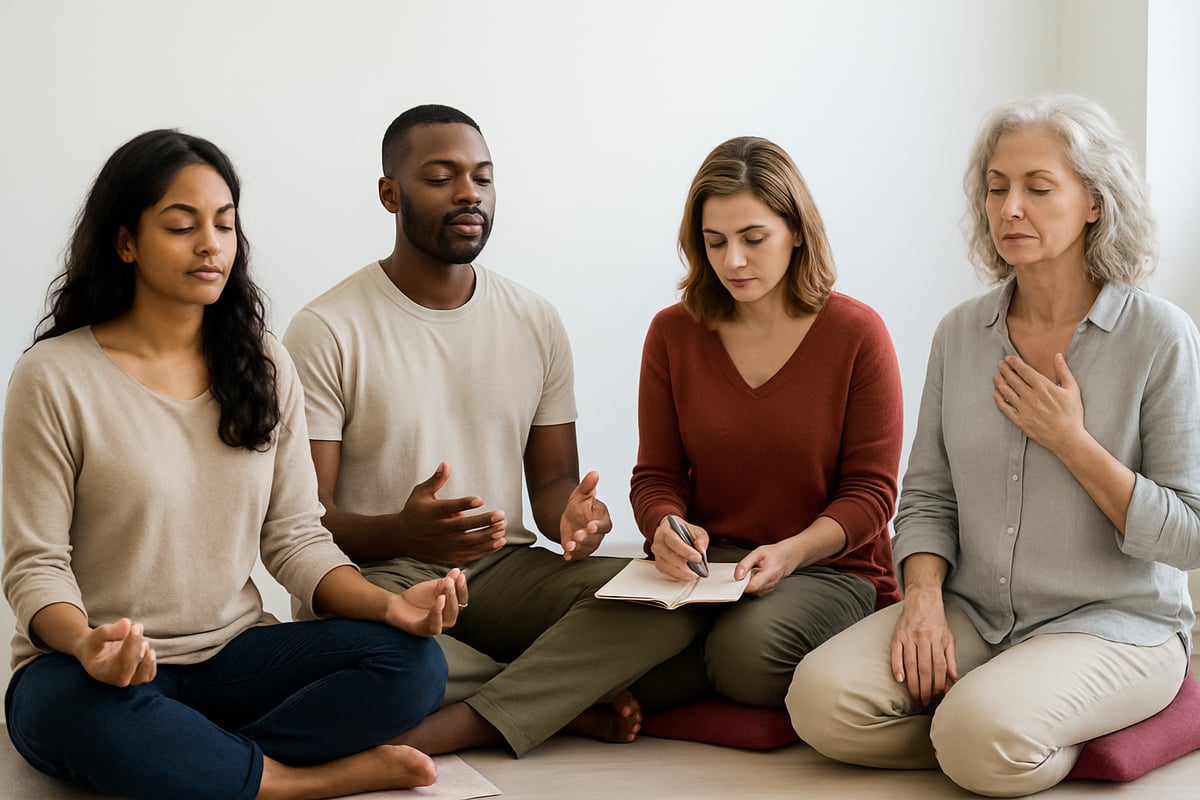
Start by reflecting on what draws you to a spiritual healing process. Are your struggles primarily physical, emotional, mental, or spiritual? Use journaling, meditation, or simply quiet contemplation to identify recurring patterns or areas where you feel stuck.
Consider making a list of your core challenges and aspirations. This self-awareness becomes the foundation for selecting practices that resonate most deeply. Remember, a spiritual healing journey is not linear; your needs may shift as you grow, so regular check-ins are valuable.
Combining Healing Modalities Wisely
Once you have insight into your needs, explore how different healing modalities can work together. For example, you might blend mindfulness meditation with energy healing or incorporate generational healing sessions to address inherited patterns. Reviewing resources like this Generational healing session overview can help you understand what to expect from specific approaches.
Trust your intuition as you experiment. If a spiritual healing practice feels supportive and energizing, it is likely a good fit. On the other hand, if something feels off, pause and reassess. Many find that combining self-guided tools with occasional professional support creates a balanced and empowering experience.
Trust, Guidance, and Red Flags
Self-trust is a cornerstone of a spiritual healing journey. Building this inner confidence helps you discern which teachers, communities, or modalities are truly beneficial. If you need support in developing self-trust, explore this guide on building self-trust for healing.
Be alert to red flags, such as promises of instant results, pressure to join costly programs, or any practice that discourages personal agency. When in doubt, seek out practitioners with credible credentials and ethical standards.
To personalize a spiritual healing path, consider this simple roadmap:

Remember, your journey is uniquely yours. Stay open, curious, and compassionate with yourself as you navigate the evolving world of a spiritual healing.
The Future of Spiritual Healing: Innovations, Research, and Global Impact
The landscape of a spiritual healing is rapidly evolving in 2026, shaped by advances in AI, virtual reality, and genetics. Research, such as the PTSD's genetic component validated in new study, highlights how science is deepening our understanding of healing across generations.
As global collaborations grow stronger, a spiritual healing is becoming more accessible and accepted in mainstream wellness. These innovations are helping address health disparities and strengthen community resilience. Looking ahead, we can expect universal access and deeper cultural integration, inviting everyone to join the movement for collective healing.